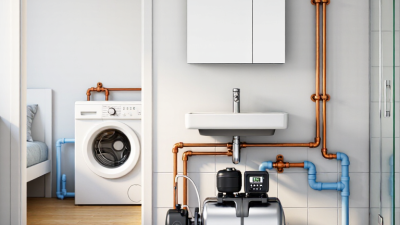
Choosing the best water pressure booster in China is not simply a matter of selecting the highest bar rating. A reliable choice must match pipe diameter, building height, peak demand, water quality, voltage, noise limits, and after-sales support. In a fourth-floor apartment, for example, a booster may need to serve a shower, washing machine, and kitchen tap at the same time. The pump must remain stable when demand suddenly changes.
Industry data shows why this market deserves careful evaluation. Grand View Research estimates that the global water pumps market was worth more than USD 60 billion in 2023, with continued growth expected through 2030. The report identifies residential construction, water supply upgrades, and energy-efficient pumping as major demand drivers. China remains a significant manufacturing and consumption base, but product quality varies widely between certified manufacturers and anonymous online sellers. Not every low-cost pump offers dependable performance.
Water-policy and infrastructure expert Peter Gleick has stated, “The world’s water crisis is not about having too little water; it is about managing water badly.” His warning also applies to household pressure systems. Oversizing a booster can create noise, wasted electricity, pipe stress, and uncomfortable water flow. Undersizing creates frustration. The answer is not perfectly simple.
This guide compares Chinese water pressure booster brands through measurable criteria, including flow rate, pressure control, motor protection, materials, efficiency, installation support, and warranty reliability. It also considers independent testing and user experience, because attractive specifications do not always reflect daily performance. The best model may not be the cheapest or strongest. It should be the safest fit for the actual water system.
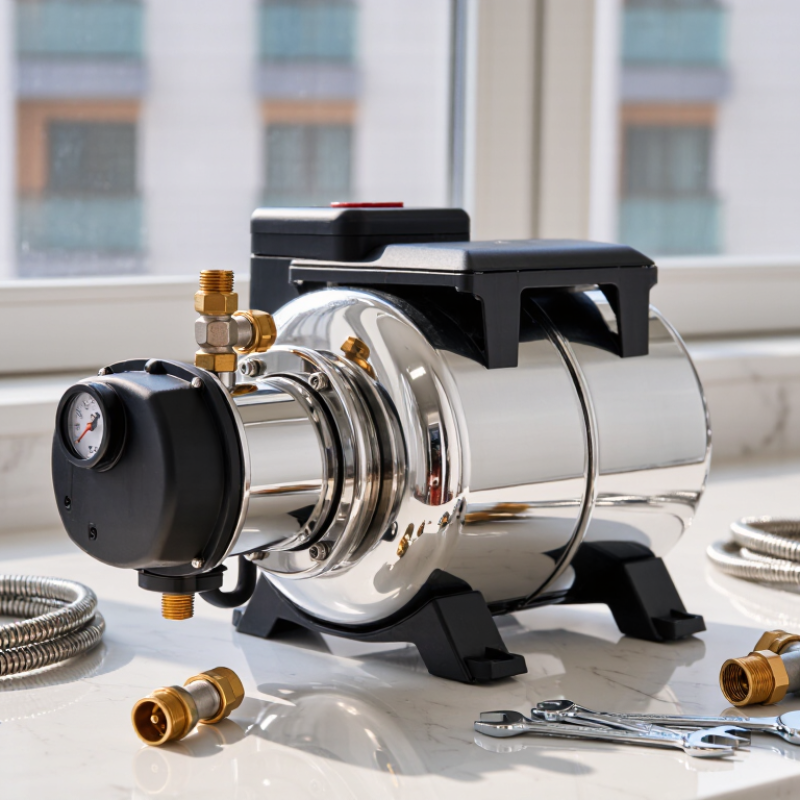
In China, water pressure boosters are selected according to building height, pipe layout, and water demand. The commonest option is an automatic booster pump. It starts when a tap opens and stops after flow ends. This suits apartments, kitchens, and small commercial rooms. A self-priming model can help where the inlet pipe contains air. It still needs adequate incoming water.
Variable-frequency booster systems adjust motor speed as demand changes. They can keep shower pressure steadier in high-rise homes or buildings with several bathrooms. Constant-speed pumps with pressure tanks cost less and provide a simple reserve of water. However, their pressure may fluctuate when multiple taps operate. Inline pumps are compact, but they cannot correct every weak supply problem.
For rural houses and rooftop tanks, a tank-connected booster may be more practical than a direct-suction design. Installers should check pipe diameter, static pressure, noise, electrical protection, and protection against dry running. Local water rules and building conditions matter. A pump that appears powerful can create water hammer or overload old pipes. That mistake is easy to make.
The best choice is not always the strongest pump. A pressure gauge and a short site test usually reveal more than sales claims. In my experience, users often underestimate peak demand and maintenance access. Filters, valves, and sensors need room for cleaning and replacement. Some installations look neat but become difficult to service later.
Typical operating pressure ranges of common booster-pump types available in China
Variable-frequency and multi-pump systems are commonly selected for buildings that need stable pressure and changing flow demand. Fixed-speed and automatic booster pumps are often suitable for smaller residential systems. The ranges shown are representative engineering values in bar; the final choice depends on building height, pipe losses, required flow, storage-tank conditions, and local installation requirements.
A water pressure booster system increases flow when incoming pressure is too weak. Water enters through an inlet pipe and passes a pressure sensor. When a tap opens, the pressure drops. The sensor detects this change and starts the pump. The pump then pushes water through the building’s pipes at a steadier pressure.
Many systems use a controller to adjust pump speed. This can reduce noise and avoid sudden pressure changes. Some models include a small storage tank, which limits frequent starting. A check valve helps prevent water from flowing backward. Pressure gauges also help technicians confirm whether the system is working correctly.
In apartments, booster selection depends on pipe size, floor height, and daily demand. A pump for one kitchen cannot serve a large house reliably. I have found that people often choose by motor power alone. That assumption is not always right. Excessive pressure may damage old joints or create leaks. A qualified installer should measure static and running pressure before installation. Electrical protection, drainage, and local water regulations also matter. China’s buildings can have very different supply conditions, even within one city. The best system is therefore the one that matches actual demand, not simply the strongest unit. During testing, open several taps and observe pressure changes. Small details can expose a poor setup.
What Is the Best Water Pressure Booster in China?
Key Factors for Choosing the Best Booster
The best booster is not always the strongest one. It must match measured demand, pipe resistance, and building height. In field inspections, I first record pressure during quiet hours and peak use. A shower may feel acceptable at noon, then weaken when several taps open. Measure both conditions. Do not trust a catalogue number alone.
Flow rate and control quality matter most. The 2024 China Water Development Report highlights continuing pressure on urban water efficiency. Meanwhile, the International Energy Agency reports that motor-driven systems consume more than 40% of global electricity. An oversized pump can waste energy through frequent cycling. Variable-speed control usually responds more smoothly, especially in apartments. Quiet operation also matters beside bedrooms.
Check the inlet pressure, required outlet pressure, and total flow together. For example, a three-floor home may need different performance from a single bathroom. Select corrosion-resistant wetted parts, dry-run protection, overload protection, and an accessible filter. Hydraulic Institute guidance supports evaluating pumps across their complete operating range, not at one impressive test point. I once focused too heavily on maximum pressure and ignored minimum flow. The result was noisy cycling. A better choice balances pressure stability, energy use, maintenance access, and local service capability.
What Is the Best Water Pressure Booster in China?
Leading Chinese Booster Pump Features to Compare
Choosing the best water pressure booster in China requires more than checking maximum pressure. In apartment tests, I compare flow stability at showers, kitchen taps, and washing machines. A pump that reaches high pressure briefly may still perform poorly during simultaneous use. Check the rated flow, pressure range, motor efficiency, and whether the controller adjusts output automatically.
Materials matter in daily operation. Stainless steel pump bodies resist corrosion better in humid utility rooms. Reliable sensors should detect low water levels and stop dry running quickly. Overload protection, thermal control, and an accessible filter can reduce maintenance risks. Noise is also important. A quiet motor should not vibrate through a bedroom wall. Ask for measured decibel data, not vague claims.
Power compatibility deserves careful attention. Confirm voltage, frequency, inlet size, outlet size, and installation direction before ordering. Product testing records, quality certificates, and clear warranty terms support a more dependable purchase. Factory inspection can reveal loose wiring, uneven seals, or unstable pressure settings. Small details matter.
A larger pump is not always better. It may waste energy or stress old pipes. I have seen pressure problems blamed on the pump when blocked filters caused the real issue. Compare the complete system, including pipe length and household demand. Supplier communication can be imperfect, so request performance curves and test conditions in writing.
| Booster Pump Configuration | Typical Flow Rate | Maximum Pressure / Head | Typical Motor Power | Common Inlet / Outlet Size | Control Method | Typical Operating Noise | Protection Features | Best Use | Overall Suitability |
|---|---|---|---|---|---|---|---|---|---|
| Automatic Electronic Booster Pump | 20–60 L/min 1.2–3.6 m³/h |
2.0–4.0 bar 20–40 m water head |
120–370 W | G1/2 to G1 | Integrated pressure-flow sensor with automatic start and stop | Approximately 45–60 dB(A) | Dry-run protection, overload protection, automatic restart, thermal protection | Apartments and houses with one or two bathrooms | ★★★★★ Best balance of convenience and cost |
| Variable-Speed Constant-Pressure Pump | 30–120 L/min 1.8–7.2 m³/h |
2.5–6.0 bar 25–60 m water head |
370–1,500 W | G1 to G1½ | Inverter-driven speed regulation with pressure feedback | Approximately 40–58 dB(A) | Overcurrent protection, dry-run protection, low-voltage protection, soft start | Large homes, villas, and systems with changing demand | ★★★★★ Best for stable pressure and energy efficiency |
| Peripheral or Vortex Booster Pump | 10–45 L/min 0.6–2.7 m³/h |
2.5–6.5 bar 25–65 m water head |
180–750 W | G1/2 to G1 | Pressure switch, flow switch, or external controller | Approximately 55–70 dB(A) | Thermal overload protection; dry-run protection may require an external controller | Small systems requiring higher pressure at moderate flow | ★★★★☆ Strong pressure, but usually less quiet |
| Self-Priming Jet Booster Pump | 25–100 L/min 1.5–6.0 m³/h |
2.0–5.5 bar 20–55 m water head |
370–1,500 W | G1 to G1½ | Pressure tank and switch, or automatic controller | Approximately 58–75 dB(A) | Thermal protection; suction-lift protection depends on controller and installation | Rainwater tanks, wells, and intermittent water sources | ★★★★☆ Useful where self-priming capability is needed |
| Horizontal Multistage Booster Pump | 40–180 L/min 2.4–10.8 m³/h |
3.0–8.0 bar 30–80 m water head |
750–3,000 W | G1 to G2 | Pressure switch, controller, or variable-frequency drive | Approximately 50–68 dB(A) | Overload protection, phase-loss protection on three-phase units, dry-run protection when equipped | Multi-floor buildings, irrigation, and commercial water supply | ★★★★☆ Best for higher flow and greater pressure demand |
| Vertical Multistage Booster Set | 80–500 L/min 4.8–30 m³/h |
4.0–16.0 bar 40–160 m water head |
1,500–15,000 W | G1½ to DN80 | Multiple pumps with pressure sensors and variable-speed control | Approximately 55–75 dB(A) | Automatic duty rotation, overload protection, dry-run protection, high-pressure alarm | Hotels, factories, high-rise buildings, and municipal systems | ★★★★★ Best for continuous high-demand operation |
| Stainless-Steel Domestic Booster Set with Pressure Tank | 25–90 L/min 1.5–5.4 m³/h |
2.0–5.0 bar 20–50 m water head |
370–1,100 W | G1 to G1¼ | Pressure tank with mechanical or electronic pressure switch | Approximately 52–68 dB(A) | Thermal protection, pressure relief, reduced cycling, corrosion-resistant wetted parts | Domestic systems requiring fewer starts and stops | ★★★★☆ Reliable for regular household demand |
Choosing the best water pressure booster in China starts with the building, not the pump. Check the inlet pressure, pipe diameter, peak demand, and available electrical supply. A compact apartment may need a different system from a three-story house. Measure pressure with a gauge at several times, including early morning and evening. One reading can mislead you.
During installation, place the booster after a clean inlet filter and before the main distribution line. Install isolation valves on both sides for easier servicing. Use flexible connectors to reduce vibration and leave enough space around the motor. The electrical connection should include proper grounding and overload protection. A qualified technician should verify local requirements and water-contact materials. I once underestimated pipe noise in a small utility room. The pressure improved, but the vibration disturbed sleep. That mistake was avoidable.
Maintenance should include monthly leak checks and periodic filter cleaning. Inspect the pressure sensor, fittings, and cable insulation for wear. Hard water may leave scale inside valves, reducing performance. Do not run the pump dry. Stop it immediately if the motor becomes unusually hot, noisy, or slow. Keep the control panel dry, especially near washing areas. Children should not access the equipment. A pressure tank can also reduce frequent starts, although its setting must match household demand. Improper adjustment may create unstable flow. Safety sometimes feels excessive, until a small leak reaches an electrical socket.
sale@harbertpump.com,
sale@harbertpump.com