Choosing the best water pressure booster pump for home use in 2026 is not simply about buying the strongest motor. Real homes behave differently. A second-floor shower may weaken when the washing machine fills. A kitchen tap may sputter during peak morning use. Pipe size, incoming pressure, flow demand, tank design, and pump controls all influence the result.
Dan Holohan, a respected hydronic heating educator and pump specialist, often states, “A pump doesn’t create pressure; it creates flow.” That distinction matters. A properly selected water pressure booster pump supports flow through household plumbing, while an oversized model can cause noise, rapid cycling, unnecessary energy use, or uncomfortable pressure surges. Bigger is not always better.
This guide examines practical options for apartments, single-family homes, rainwater systems, and low-pressure municipal supplies. It considers pressure performance, automatic controls, installation demands, operating noise, maintenance, and long-term reliability. Hands-on details matter here. A pump beside a bedroom should not sound like a small washing machine. A unit under a sink must fit without blocking valves or service access.
There is no perfect model for every home. That is the uncomfortable part. Product ratings may look impressive, yet real performance can change with old pipes, clogged filters, or fluctuating supply pressure. Readers should verify local requirements and consult a qualified plumber before installation. Careful measurement comes first. This 2026 comparison aims to make that decision clearer, more realistic, and less driven by marketing claims.
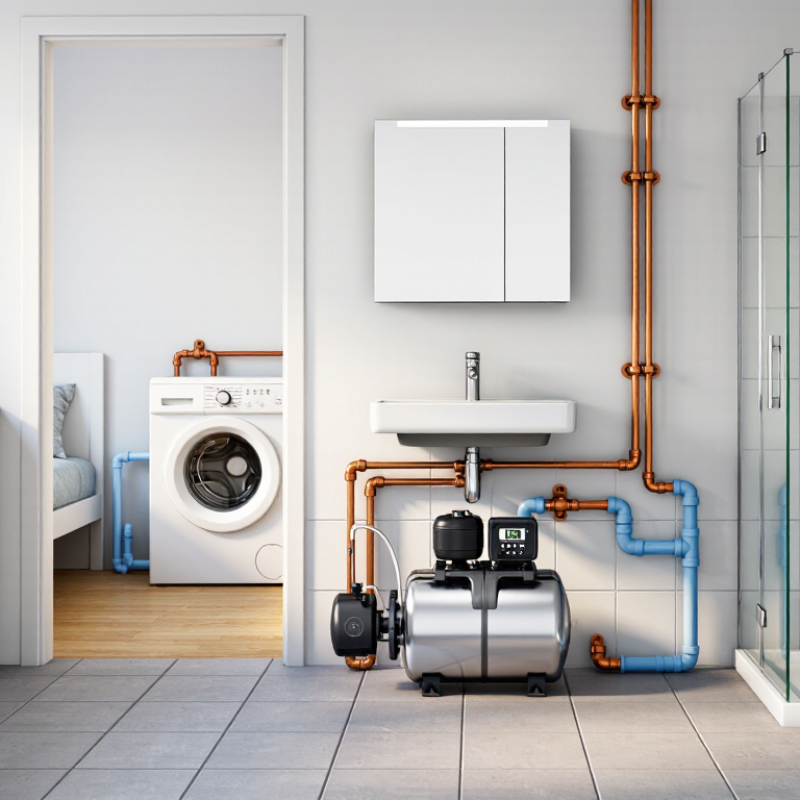
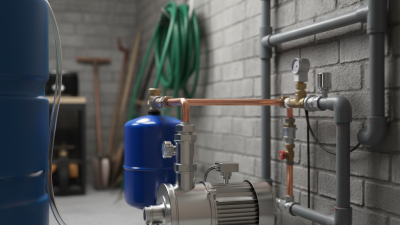
A home water pressure booster pump increases pressure when the incoming supply cannot reliably serve household fixtures. It detects a pressure drop when a tap or shower opens, then adds pumping force to move water through the pipes. This can help an upstairs shower feel steadier while a washing machine fills. The pump does not create extra water; it helps deliver available water at a more useful pressure. Pressure and flow are related, but they are not the same.
Tips: Check pressure with a gauge at an outdoor tap, then repeat while water is running. Look for clogged aerators, partly closed valves, or leaks first. A pump cannot fix those problems. Match the pump to the home’s pipe size, fixture demand, and supply conditions. Follow the installation manual, and consult a qualified plumber if the source pressure is very low.
A correctly sized system should start and stop smoothly, without loud cycling or sudden pressure swings. In real homes, old pipes and changing demand can complicate the result. That part is easy to overlook. A booster may improve comfort, but it should not mask a failing pipe or an uncertain water supply. Have the system checked if pressure remains uneven.
| System or feature | What it does | Typical home application | What to check before choosing | Important limitation |
|---|---|---|---|---|
| Pressure booster pump | Raises water pressure by adding energy to the water as it flows through the pump. | Homes with inadequate incoming supply pressure, subject to local rules and adequate water flow. | Measure the incoming pressure and estimate the required flow rate while several fixtures are in use. | A pump cannot create a reliable supply if the source has insufficient flow or runs dry. |
| Pressure switch and pressure tank | The switch starts and stops the pump at set pressure points; the tank stores a small volume of pressurized water and helps reduce frequent starts. | Systems that need stored pressure between pump cycles, where this arrangement is compatible with the water source. | Check switch settings, tank pre-charge requirements, usable drawdown, and manufacturer installation instructions. | Tank pressure settings must be matched to the system; an incorrectly charged or waterlogged tank can cause short cycling. |
| Variable-speed constant-pressure control | Adjusts pump speed as demand changes to help maintain a more consistent delivery pressure. | Homes with changing water demand, such as multiple fixtures operating at the same time. | Confirm the controller’s sensor, motor, electrical supply, flow range, and compatibility with the pump. | Performance depends on correct sizing and setup; controls do not overcome inadequate source flow. |
| Single-stage centrifugal pump | Uses an impeller to move water and increase its pressure; the pump curve shows the relationship between flow and head. | Some domestic boosting duties when the required flow and pressure fall within the pump’s operating range. | Compare the pump curve with the system’s required flow and total dynamic head, including pipe and fitting losses. | Pressure and flow are related: actual output changes with system resistance and is not determined by a maximum-pressure figure alone. |
| Multistage centrifugal pump | Uses multiple impellers in series to develop greater head than a comparable single-stage design. | Applications requiring more pressure head, provided the water source and system are suitable. | Review the full pump curve, materials, operating limits, noise information, and service requirements. | A higher-head pump may exceed safe or permitted pressure if the system is not properly selected and protected. |
| Incoming supply and source capacity | Provide the water that the booster pump can pressurize. | Any installation connected to a municipal supply, storage tank, or other water source. | Check static and flowing pressure, available flow, pipe size, restrictions, and whether local rules require backflow protection. | Many jurisdictions restrict direct pumping from a public water main; local plumbing rules and the water provider’s requirements apply. |
| Pressure, flow, and head ratings | Describe different aspects of pump performance: pressure is force per area, flow is volume per time, and head is energy expressed as a height of water column. | Used to match a pump to the household’s measured operating conditions. | Use the manufacturer’s pump curve at the intended flow; account for elevation and friction losses in the pipes. | One advertised maximum rating does not indicate the pressure the pump will deliver at a particular flow. |
| Pressure regulation and safety | Help keep system pressure within the limits of connected pipes, fixtures, appliances, and applicable codes. | All boosted domestic water systems. | Verify permitted pressure limits and whether pressure-reducing, relief, or other protective devices are required by code or the system design. | Excessive pressure can damage plumbing components and cause leaks; installation should follow local code and manufacturer instructions. |
Selection note: Measure pressure and flow under real operating conditions before selecting a pump. The suitable model depends on the water source, required flow, pressure target, pipe layout, electrical supply, and local plumbing requirements. Have installation reviewed by a qualified plumbing professional when required.


sale@harbertpump.com,
sale@harbertpump.com,
sale@harbertpump.com,
sale@harbertpump.com,
sale@harbertpump.com