In an era where the demand for consistent water pressure is escalating, understanding the functionality of a home water pressure booster becomes pivotal. Studies report that nearly 60% of households experience low water pressure at some point. This not only affects daily chores but can also impact plumbing systems over time. According to industry expert Dr. Julia Thompson, “A properly installed home water pressure booster can resolve many water flow issues, improving daily living conditions.”
Home water pressure boosters enhance water flow, making showers more enjoyable and appliances more efficient. They work by increasing the pressure of water coming into the home, ensuring an even distribution throughout. However, the effectiveness of these systems can vary based on installation and household requirements. Improper installation can lead to water hammer or insufficient pressure.
Research also indicates a rising trend in the adoption of these systems, particularly in areas facing municipal water supply challenges. Many homeowners are now seeking solutions that not only address their immediate needs but also enhance the longevity of their plumbing. A well-chosen booster pump can provide significant advantages, but it’s crucial to consider the unique water pressure landscape of each household.
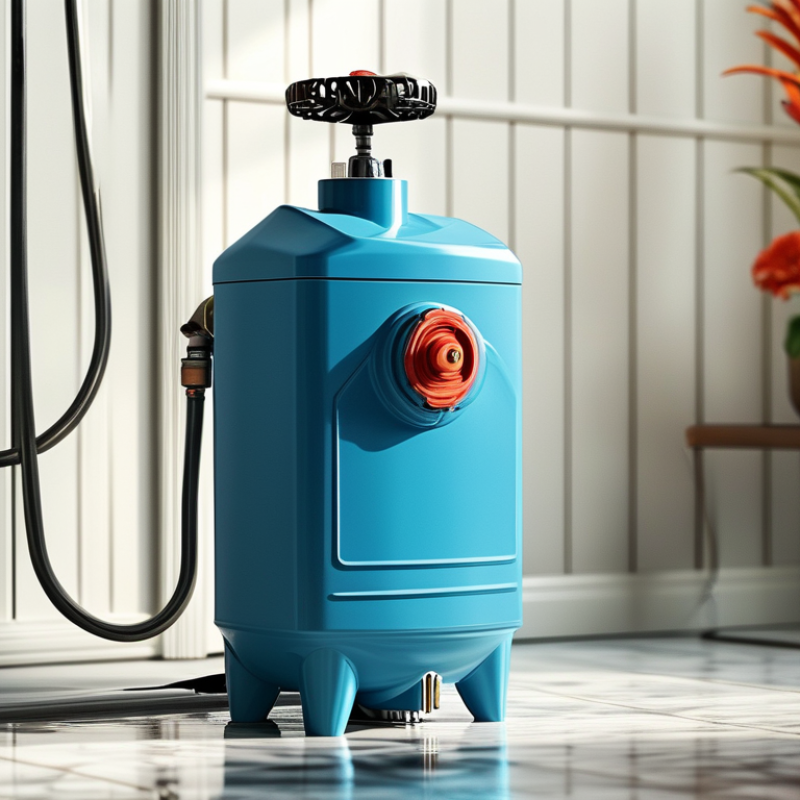
A home water pressure booster is a device designed to increase the water pressure in your plumbing system. When the water supply from the municipal source is insufficient, a booster can help ensure a steady flow. This is particularly important for homes with multiple floors or when using appliances like washing machines and showers simultaneously.
These boosters work by using a pump to force water through the pipes at a higher pressure. You may notice a difference, especially in showers and faucets, where water pressure can be weak. If you struggle with low pressure, a booster can be a simple solution. However, installing one requires careful consideration of your plumbing system and local codes.
When considering a water pressure booster, assess your home's needs. Measure your current water pressure to understand if there's a need for a boost. It’s not uncommon for homeowners to assume they need a booster without properly diagnosing the problem. Consulting with a plumbing professional can provide clarity.
Installation can be tricky. Make sure to follow guidelines closely to avoid potential issues. A poorly installed booster can lead to leaks or increased wear on your plumbing. Regular maintenance is crucial. Check for signs of wear and replace parts as needed to keep it functioning well.
This chart illustrates the average water pressure (in PSI) for different home water appliances under normal operating conditions. It helps to understand how a home water pressure booster can improve water flow for various household usages.
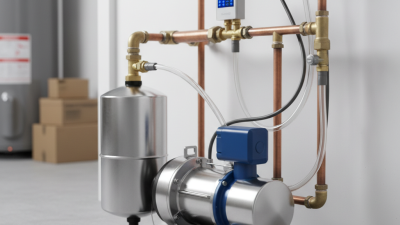
A water pressure booster system is essential for homes experiencing low water pressure. Key components include a pump, pressure tank, and control switch. The pump increases the water pressure flowing through the system. Data from the Plumbing and Mechanical Services Alliance shows that inadequate pressure can lead to 30% less water efficiency in households. A pressure tank maintains consistent pressure levels, acting as a reservoir for water.
The control switch automatically regulates the system. It activates the pump when pressure drops below a set point. In many residential setups, this threshold is often between 30 and 50 psi. However, it's crucial to set these thresholds accurately. A miscalibrated control switch can lead to excessive cycling of the pump, causing potential damage over time.
When installing a booster system, regular maintenance checks are necessary. Listen for unusual noises from the pump. This could indicate issues needing attention. Water quality can also affect the system's lifespan. Sediment buildup in the tank can cause inefficiencies. Monitoring these factors helps in maintaining optimal performance. Understanding these components ensures the longevity and reliability of your water pressure booster.
A home water pressure booster is an essential device for enhancing water flow. It assists in delivering a consistent and strong stream of water throughout your home. Understanding how it works can help you determine if it’s the right solution for your needs.
The main function of a water pressure booster is straightforward. It uses a pump to increase the water pressure coming from your main supply. When water flows into the booster, the pump engages and effectively elevates the pressure. The boosted water is then distributed through your plumbing system. This process ensures that every faucet and appliance receives adequate pressure, enhancing their performance.
Consider checking your current water pressure before installation. If it’s below the recommended level, a booster can make a significant impact. Pay attention to your appliances. Low pressure can affect washing machines and showers, causing frustration.
Ensure proper maintenance of your booster system. Regular checks can prevent unexpected breakdowns. Sometimes, users overlook the importance of routine inspections. Staying proactive can save you from costly repairs down the line. Always consult with professionals for proper installation and advice. This ensures that your water pressure booster operates efficiently.
| Feature | Details |
|---|---|
| Purpose | To increase the water pressure in residential plumbing systems. |
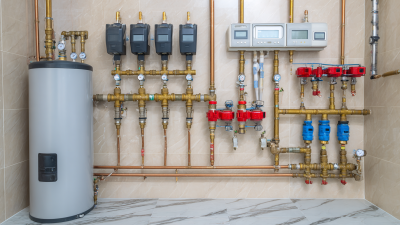
| Components | Pump, pressure tank, pressure switch, and piping connections. |
| Operation | The pressure switch activates the pump when water pressure drops below a preset level. |
| Benefits | Improved water flow for showers, faucets, and sprinklers. |
| Installation Location | Typically installed near the main water supply line or at specific fixtures. |
| Maintenance | Regular checks on electronic components and annual maintenance services recommended. |
A home water pressure booster is an effective solution for low water pressure issues. Many households experience inconsistent water flow, especially during peak usage. A booster can rectify this problem by increasing the water pressure within the system. It utilizes a pump to amplify the existing water pressure and deliver a steady flow to all faucets and appliances.
The benefits of using a water pressure booster are significant. For instance, it enhances shower experiences, allowing for a more refreshing and powerful flow. This is particularly beneficial for larger homes or multi-story buildings where gravity can hinder water delivery. Moreover, a booster can facilitate better performance in appliances like dishwashers and washing machines, leading to more efficient cleaning.
However, it’s important to consider some drawbacks. Installing a booster might lead to increased energy consumption. Regular maintenance is crucial to ensure the system operates optimally. Homeowners must weigh these factors before proceeding with a purchase. Understanding the trade-offs is essential for making an informed decision about water pressure boosters.
Water pressure boosters can greatly enhance the performance of your home plumbing system. For effective installation, ensure that the unit is placed near the main water supply. This not only shortens the distance that water travels but also improves efficiency. Proper placement helps maintain consistent pressure throughout the home, addressing issues in low-pressure areas. According to industry reports, nearly 30% of households experience inadequate water pressure at some point, making these systems essential for many homeowners.
Regular maintenance is crucial for longevity. Check the unit periodically for leaks or corrosion. Ensure that all valves and connections are functioning properly. A build-up of sediment in the system can hinder performance. Flushing the system at least once a year is recommended. Surveys indicate that about 15% of users overlook this step, leading to diminished efficiency over time. Ignoring maintenance can result in costly repairs, underscoring the need for routine checks and upkeep.
Keep an eye on the pressure settings. Ideally, they should be between 40 to 60 psi. Exceeding this range can damage plumbing fixtures. It's important to monitor for fluctuations during peak usage times. Professional insight often suggests that homeowners should consult a plumber if they notice significant changes in water pressure. A proactive approach to installation and maintenance can ensure a reliable water supply for years to come.
sale@harbertpump.com,
sale@harbertpump.com