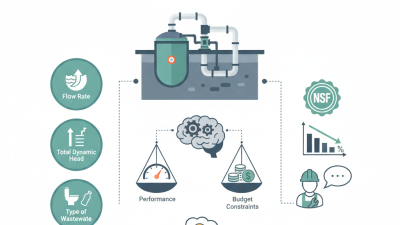
Choosing the right pump systems is rarely a simple catalog exercise. It is a practical decision shaped by flow demand, pressure, fluid properties, operating hours, and site conditions. A pump that performs well in a test room may struggle beside a hot process line, a narrow suction pipe, or a fluctuating water tank.
Pump expert Dr. Lev Nelik offers a useful principle: “Pump selection must begin with the system, not the pump.” That idea supports the seven tips in this guide. They focus on reading the system curve, checking the best efficiency point, confirming NPSH requirements, and selecting materials that resist corrosion and wear. They also examine motor efficiency, controls, maintenance access, supplier support, and total lifecycle cost. Small details matter. A blocked strainer can change performance quickly. So can an underestimated pipe length.
Real experience often exposes gaps in a neat specification sheet. A clean spreadsheet can still hide a poor assumption. I have seen projects prioritize purchase price, then face higher energy use and repeated seal failures. That mistake is avoidable, but not always obvious. Review measured field data when possible. Ask suppliers to explain their performance curves, not merely send them. Then challenge the recommendation.
The best choice may not be the most powerful pump systems package. It should deliver stable performance without excessive throttling, vibration, or unnecessary energy consumption. These tips provide a practical starting point, while careful engineering judgment remains essential. Some applications need deeper analysis. That is where caution pays.
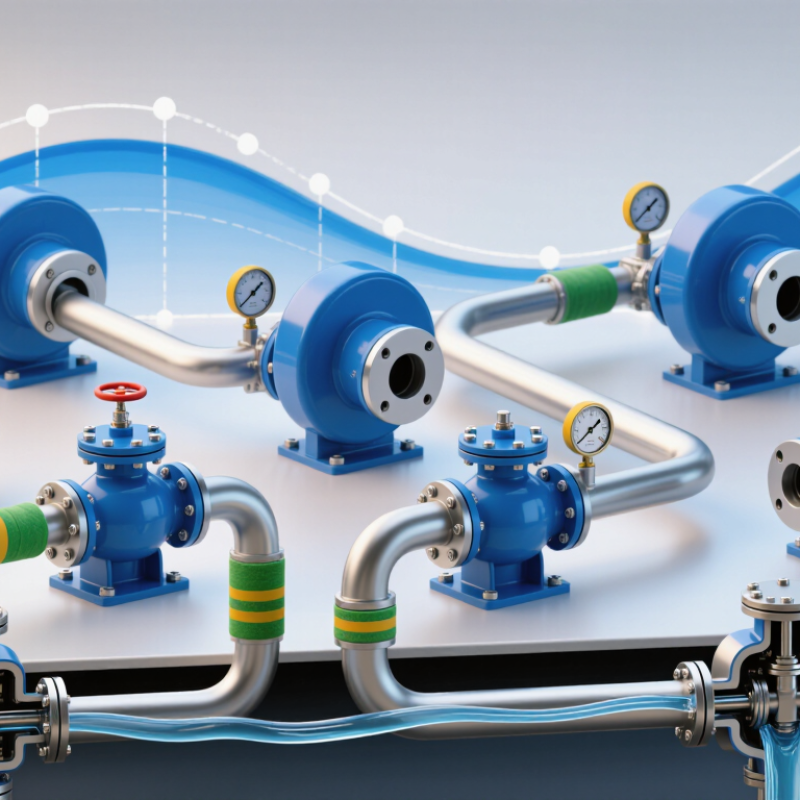
Before choosing a pump system, define what the process must actually move. Record the required flow rate, pressure, fluid temperature, and operating schedule. A pump handling clear water behaves differently from one moving oil, slurry, or wastewater. Viscosity, density, acidity, and suspended solids can change the selection completely.
Measure both static head and friction losses through pipes, valves, filters, and fittings. Include the suction pipe length and elevation difference. These details determine the real system head. Check the required duty point, but do not size only for the highest flow rate. Oversizing can cause throttling, vibration, and unnecessary energy use. Too small is worse.
Operating conditions also change during the day. Demand may fall sharply at night. Tank levels may rise, and fluid temperature may vary. Review the available NPSH carefully to reduce cavitation risk. Site measurements are more dependable than old drawings. I have seen projects fail because a “standard” pipe length was assumed. A neat spreadsheet can still hide a bad assumption. Leave room for controlled variation, but avoid adding arbitrary safety margins. Confirm the calculations with pressure readings, flow tests, and maintenance records before final selection.

7 Tips for Choosing the Best Pump Systems?
Match the pump type to the fluid before comparing prices. Centrifugal pumps suit clean, low-viscosity liquids and steady flow. Positive-displacement pumps handle thicker fluids and precise dosing better. Check viscosity at operating temperature, not in the laboratory. I have seen water-like assumptions fail when liquid temperature drops. That mistake is expensive.
Measure flow, total dynamic head, suction conditions, and pressure changes. Then check solids, particles, corrosion, vapor pressure, and required temperature. A pump must survive the fluid, not merely move it. The U.S. Department of Energy’s Improving Pumping System Performance report states that pumping systems use about 25% of industrial electricity in the United States. Oversizing is therefore not harmless. It can create throttling losses, vibration, and unstable operation. Select a duty point near the pump’s best efficiency range, while allowing realistic variation.
Control strategy matters. Variable-speed operation can reduce energy use when demand changes, but only after confirming minimum flow and motor limits. The International Energy Agency reports that electric motor systems consume more than 40% of global electricity. Small efficiency gains deserve serious attention. Review seal materials, maintenance access, spare parts, and lifecycle energy costs. My practical rule is simple: ask operators what actually fails. Design documents often miss blocked strainers, seasonal viscosity changes, and rushed cleaning. A perfect selection on paper may still be the wrong system.
Tip 1: Measure the real flow rate.
Do not size a pump from a guessed number. Record flow during peak, normal, and low-demand periods. The U.S. Department of Energy reports that pumping systems can represent about 25% of industrial electricity use. Oversizing wastes energy through throttling, bypass flow, and unnecessary pressure.
Tip 2: Separate pressure from flow.
A system may require 80 cubic metres per hour but only 35 metres of head. Check static lift, pipe friction, valves, filters, and elevation changes. Pressure gauges should sit near the pump suction and discharge. Readings taken elsewhere can hide losses. I once trusted a single gauge and missed a blocked strainer. That mistake was expensive.
Tip 3: Compare efficiency at the duty point.
Use the pump curve, motor efficiency, and control method together. Hydraulic Institute standards recommend evaluating pump performance through verified testing, not catalogue claims alone. The International Energy Agency estimates that electric motor systems consume roughly half of global electricity, making efficient operation important beyond the pump itself. Select variable-speed control only when demand changes regularly. It can save energy, but poor programming may create unstable flow.
Track kilowatts, flow, pressure, and operating hours after installation. Calculate energy per cubic metre. A small pressure reduction may deliver larger savings than buying a higher-efficiency pump. Recheck assumptions yearly; production conditions rarely remain perfect.
| Tip | Evaluation Dimension | Practical Selection Target | Typical Reference Range | Why It Matters |
|---|---|---|---|---|
| 1 | Match the Required Flow Rate | Select a pump that delivers the design flow at the required operating point, rather than choosing by pipe size alone. | Design flow plus approximately 5–10% control margin; avoid routinely operating far below the pump’s best-efficiency point. | An oversized pump may require throttling, waste energy, and experience unstable operation. An undersized pump may fail to meet process demand. |
| 2 | Verify Total Dynamic Head | Calculate static lift, pressure requirements, pipe friction, fittings, valves, and elevation changes at the design flow. | Use metres of liquid or feet of liquid; convert pressure using 1 bar ≈ 10.2 metres of water head at standard conditions. | The pump must generate sufficient pressure without excessive throttling. System resistance increases rapidly as flow rises. |
| 3 | Prioritize Hydraulic Efficiency | Compare pump curves and choose an operating point close to the best-efficiency point, while checking the full duty range. | Many correctly selected centrifugal pumps operate around 60–85% hydraulic efficiency, depending on size and duty. | Higher efficiency reduces electricity use, heat generation, vibration, and long-term operating cost. |
| 4 | Estimate Energy Consumption | Use flow, head, fluid density, pump efficiency, motor efficiency, and annual operating hours to estimate lifecycle energy use. | For water systems: hydraulic power ≈ 2.73 × flow in L/s × head in m, expressed in watts before efficiency losses. | A pump running continuously can accumulate substantial energy costs, so operating efficiency often outweighs a small difference in purchase price. |
| 5 | Check NPSH and Cavitation Risk | Confirm that available NPSH exceeds required NPSH with a suitable safety margin under the worst operating conditions. | A positive margin is essential; many designs target available NPSH at least 10–20% above required NPSH, subject to engineering review. | Insufficient NPSH can cause cavitation, noise, vibration, reduced capacity, and premature impeller damage. |
| 6 | Select Materials for the Fluid | Evaluate temperature, viscosity, solids content, chemical compatibility, corrosion, abrasion, and seal requirements. | Water-like fluids may use corrosion-resistant metals or engineered polymers; abrasive or corrosive fluids require application-specific materials. | Correct material selection protects the casing, impeller, shaft, and seals and helps prevent leakage and unplanned downtime. |
| 7 | Consider Controls and Maintenance | Assess variable-speed control, sensor compatibility, protection functions, spare parts, inspection access, and service intervals. | Variable-speed control can reduce flow-related energy use when demand varies; savings depend on the system curve and operating schedule. | Good controls and maintainability improve reliability, reduce unnecessary throttling, and support efficient operation across changing demand. |
Note: Reference values are general engineering guidance for preliminary comparison. Final pump selection should be based on the manufacturer’s certified performance curve, the actual fluid properties, system calculations, applicable safety requirements, and site conditions.
7 Tips for Choosing the Best Pump Systems
Check Materials, Reliability, Maintenance, and Safety Features
Tip 1: Match the pump materials to the liquid. Stainless steel may resist corrosion, while certain plastics handle aggressive chemicals better. Check temperature, viscosity, and suspended particles before deciding. I once underestimated fine grit, and the impeller showed damage sooner than expected.
Tip 2: Judge reliability through practical evidence. Ask for test records, operating limits, and expected service life. A strong pump should perform steadily during pressure changes, not only in ideal conditions. Tip 3: Inspect the maintenance design. Look for accessible seals, removable covers, standard replacement parts, and clear service instructions. A pump that saves ten minutes during inspection can save hours during an unexpected shutdown. Small details matter.
Tip 4: Examine safety features closely. Thermal protection, pressure relief, leak detection, grounding, and emergency shutoff options reduce operational risks. Tip 5: Select the correct capacity. Oversizing can waste energy and increase wear, while undersizing may cause overheating or poor flow. Calculate real demand, including peak usage and pipe resistance. Tip 6: Review energy performance over the full operating cycle, not just the purchase price. Tip 7: Confirm documentation and technical support. Reliable records improve installation, training, and troubleshooting. My own checklist is useful, but it is not perfect; site conditions can expose assumptions that looked reasonable on paper.
Recommended evaluation priorities for materials, reliability, maintenance, safety, and total operating performance
A suitable pump system should match the required flow rate and head, use materials compatible with the pumped fluid, provide dependable operation, allow easy maintenance, include appropriate safety protection, and control energy and lifecycle costs. The percentages represent a practical, brand-neutral procurement weighting that totals 100%.
When comparing pump systems, treat purchase price as only one line. The IEA estimates electric motor systems consume roughly half of global electricity. Pumping loads are significant within that demand. This makes efficiency a financial issue, not a technical luxury. Request a duty-point curve, efficiency data, and expected annual operating hours. Calculate energy costs across realistic flow conditions, not one perfect day. Add maintenance, seals, spare parts, training, and planned downtime. The U.S. Department of Energy’s Improving Pumping System Performance sourcebook recommends life-cycle analysis because energy and maintenance can outweigh initial cost.
Good support matters. Ask who answers at night, how quickly parts ship, and whether technicians can commission controls. Get service limits in writing. Installation needs can quietly erase projected savings. Check foundation loads, pipe alignment, electrical capacity, ventilation, lifting access, and noise limits. A system needing major rewiring may not be the cheapest system. The Hydraulic Institute’s life-cycle-cost guidance also stresses installation, energy, maintenance, and disposal costs. Leave room for future flow changes.
I have seen projects fail because operators inherited controls they never understood. That is a useful warning, though not a universal rule. Ask for operator training and baseline readings after commissioning. Record pressure, flow, power, vibration, and temperature. Without those readings, promised savings remain difficult to prove. A neat spreadsheet can still lie when actual demand fluctuates. Keep the first month’s data, including one difficult operating shift.
sale@harbertpump.com,
sale@harbertpump.com