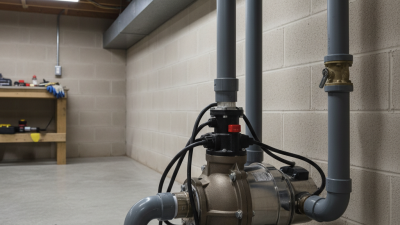
As we look ahead to 2026, the sewage pump system market is poised for significant evolution. Industry expert, Dr. Sarah Thompson, a renowned engineer with over 20 years of experience, emphasizes, "Adaptability is crucial for the future of sewage pump systems." This statement highlights the need for innovation in the face of changing environmental demands.
Technological advancements are emerging at a rapid pace. Smart sewage pump systems are becoming more prevalent. They feature real-time monitoring and automated controls. Such systems can optimize performance and reduce energy costs. However, not all buyers are aware of these innovations. Understanding how to integrate these technologies is essential for success.
Moreover, sustainability plays a vital role in purchasing decisions. Many buyers seek eco-friendly options that minimize environmental impact. There's a growing concern about waste management and resource conservation. Buyers must educate themselves on the latest trends and potential drawbacks of new systems. This knowledge is essential for making informed choices in an ever-evolving industry.
Sewage pump systems are evolving rapidly, and 2026 will bring significant innovations. One important trend is the integration of smart technology. Smart pumps can monitor performance in real-time. This data helps to predict maintenance needs. Automated alerts can reduce downtime and operating costs. Users will benefit from real-time insights to enhance operational efficiency.
Another key innovation is energy efficiency. Manufacturers are focusing on designing pumps that consume less power. More efficient motors and advanced impeller designs can lead to major savings. These advancements not only lower energy bills but also reduce environmental impact. This shift reflects the growing demand for sustainable solutions.
Moreover, durability remains a central concern. Advances in materials technology are resulting in longer-lasting components. Innovative coatings can resist corrosion and wear. However, not all materials perform equally over time. Buyers should be cautious and consider the long-term implications. A system that seems cost-effective may require more frequent repairs. Understanding these nuances will empower buyers to make informed decisions.
| Trend | Description | Impact | Key Features |
|---|---|---|---|
| Energy Efficiency | Pumps designed to minimize energy consumption. | Reduced operating costs and environmental impact. | Variable frequency drives, high-efficiency motors. |
| Smart Technology | Integration of IoT for monitoring and control. | Enhanced performance and predictive maintenance. | Remote monitoring, data analytics, alerts. |
| Sustainability | Focus on sustainable materials and processes. | Improved environmental footprint. | Recyclable components, eco-friendly designs. |
| Advanced Monitoring Systems | Real-time performance tracking. | Reduced downtime through timely interventions. | Sensors, software analytics, predictive alerts. |
| Compact Designs | Smaller footprint to fit in limited spaces. | Increased installation flexibility. | Modular construction, lightweight materials. |

As sustainability gains importance, sewage pump technology is evolving rapidly. The global sewage pump market was valued at approximately $3.5 billion in 2022 and is projected to reach $4.7 billion by 2026, according to a recent industry report. Energy efficiency is a primary focus, with many new models designed to reduce energy consumption by up to 30%. This shift is driven by strict regulations and rising energy costs.
Recent innovations include the use of smart technology. Predictive maintenance features are becoming standard, allowing for real-time monitoring. This helps reduce downtime and optimize operational efficiency. Reports show that smart pumps can significantly cut maintenance costs, sometimes by up to 20%. However, adopting smart systems also presents challenges. Training staff on new technology remains a common hurdle.
Tip: When evaluating sewage pump systems, consider energy ratings and maintenance needs. Look for systems with smart features, but ensure your team is prepared for the transition. Regular training can improve performance and efficiency.
The move toward sustainable materials is notable. Many manufacturers are now focusing on eco-friendly components. However, the industry still struggles with supply chain consistency, which can affect availability and prices. Keeping abreast of market trends is crucial for buyers.
As we look toward 2026, the sewage pump system industry is experiencing pivotal shifts. Emerging technologies promise enhanced efficiency, catering to both environmental needs and cost-effectiveness. Smart technology integration is becoming more prevalent. Pumps equipped with IoT connectivity can monitor their status in real-time. This allows for predictive maintenance, reducing downtime significantly.
Advanced materials are another trend gaining traction. Lightweight yet durable components are replacing traditional materials. This not only enhances performance but also extends the lifespan of the pumps. However, there's a learning curve. Not all manufacturers have embraced these newer materials, leading to inconsistencies in performance across the industry.
Energy-efficient designs are similarly reshaping the market. Variable speed drives can optimize energy consumption based on workload. This adaptability can be a game-changer but requires careful consideration during installation. Users need to analyze their specific requirements, as not every pump is suitable for every application.
When it comes to buying sewage pumps, several factors shape buyer decisions.
Understanding these factors is key to making informed choices. First, the efficiency of the pump plays a critical role.
A well-designed pump reduces energy consumption, which matters greatly to cost-conscious buyers.
Many customers now prioritize energy-saving features, leading to a rise in demand for high-efficiency models.
Another important aspect is maintenance and durability.
Buyers often seek systems that boast low upkeep requirements. Features like corrosion-resistant materials can extend the life of the pump.
However, some may overlook the need for regular inspection, which can prevent problems later on.
This gap in understanding may lead to increased long-term costs.
Moreover, advanced technology is influencing buyer preferences.
Smart pumps equipped with monitoring systems provide real-time data and alerts.
This technology helps stakeholders address issues promptly, reducing downtime.
Yet, some buyers might hesitate due to the initial investment.
They need to weigh short-term costs against long-term savings.
Ultimately, these buyer considerations guide purchasing decisions in the evolving sewage pump market.
When considering the cost of modern sewage pump systems, it's essential to evaluate both initial investment and long-term expenses. Buyers often overlook maintenance costs. These systems require regular upkeep to ensure efficiency. Neglecting this can lead to costly repairs. Understanding the total cost of ownership is critical for making informed decisions.
Energy efficiency plays a significant role in long-term savings. Upgrading to modern, high-efficiency pumps might seem expensive upfront. However, the energy savings can offset these costs in a few years. Evaluating energy consumption is vital. This can help buyers project future expenses accurately.
Buyers should also consider installation complexities. A more complex system can escalate costs quickly. Improper installation may lead to operational issues down the line. It is wise to get expert opinions before finalizing any decision. Investing time in research can yield better outcomes.
sale@harbertpump.com,
sale@harbertpump.com