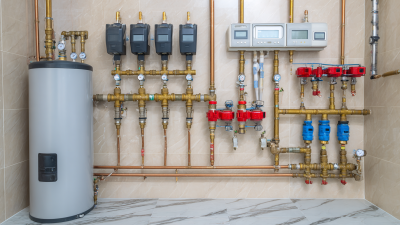
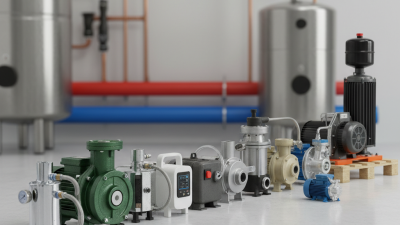
Top Pressure Booster Pump Manufacturers in China
Choosing among the top pressure booster pump manufacturers in China takes more than comparing prices or polished catalog photos. A dependable unit should match the building’s demand, inlet pressure, pipework, and required flow. Pump engineering authority Igor J. Karassik’s published work emphasizes selecting pumps for actual system conditions; a fair paraphrase is, “Choose for the system, not the nameplate.” That principle is especially useful when comparing compact domestic sets with larger commercial installations.
Look closely at performance curves, wetted materials, motor protection, control response, and test documentation. Ask how the manufacturer verifies pressure stability when several taps open at once. Details count. A showroom demonstration may not reflect a real building’s changing demand, and even a well-made pump can be poorly matched. Request clear model data, factory test records, warranty terms, and access to replacement parts. Check whether stated certifications apply to the exact model and destination market.
This guide introduces Chinese manufacturers and the practical differences buyers should examine before shortlisting them. It does not treat company size or a low quotation as proof of quality. Instead, it focuses on evidence: engineering capability, production consistency, application support, and service after delivery. Some information may still require direct verification; supplier claims are not a substitute for testing. A careful comparison helps buyers find a pressure booster pump that suits the system, not merely the sales pitch.
Pressure Booster Pumps Explained: 0.1 MPa Equals About 10.2 m of Water Head
Top Pressure Booster Pump Manufacturers in China
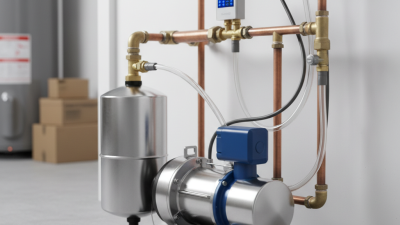
A pressure booster pump increases pressure when a building’s supply cannot meet demand. The key conversion is simple: 0.1 MPa equals roughly 10.2 m of water head. This follows p = ρgh. Using water density near 20°C, about 998.2 kg/m³ in the IAPWS formulation, and standard gravity, 9.80665 m/s² from NIST, the calculated head is about 10.22 m. Close enough for a first estimate. Not a complete pump specification.
The U.S. Department of Energy’s Improving Pumping System Performance sourcebook explains why engineers compare pumps using head: it describes energy per unit weight of fluid. In practice, gauge pressure and head are related, but elevation, pipe friction, valves, and bends reduce pressure available at the outlet. A 10 m rise alone uses about 0.098 MPa of water pressure. Small fittings matter, too. For a 0.3 MPa target, 30.6 m is the approximate static equivalent, before losses and flow requirements are considered. I would check the pressure at the farthest tap under real demand, not rely on a pump’s maximum-head figure. That detail is easy to miss.
Booster System Types in China: Single-Pump, Multistage, and VFD Configurations
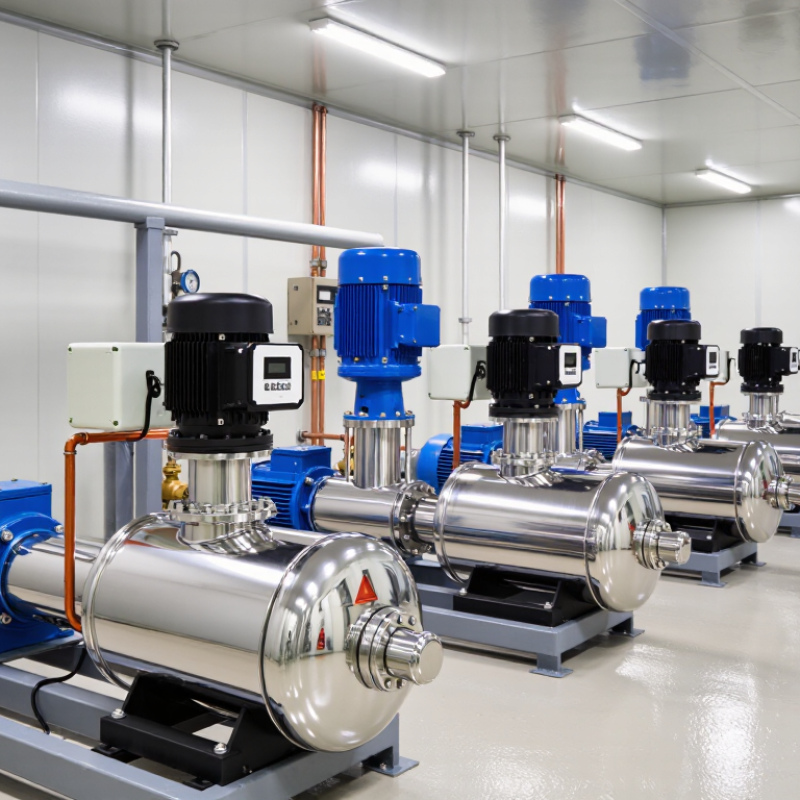
In China, booster-system choice should follow the building’s demand curve, not just its peak pressure. A single-pump configuration suits small buildings or steady, modest demand. It is simple to install, but may cycle frequently when several taps open and close. A multistage pump builds higher pressure through several impellers, making it useful in high-rise buildings where water must reach upper floors. The trade-off is more complex maintenance. On paper, simple. Actual demand can be messy.
Variable-frequency-drive (VFD) systems vary motor speed as demand changes, helping maintain a more stable outlet pressure during morning peaks and quiet overnight periods. The U.S. Department of Energy’s Improving Pumping System Performance report says pumping systems use nearly 20% of global electricity demand; in some industrial operations, their share reaches 25–50%. Those figures are not specific to Chinese buildings, but they show why matching pump output to demand matters. A VFD is not automatically the best choice: poor setup, sensor placement, or low-flow operation can undermine its benefits. Check the duty curve, required pressure, and maintenance conditions before choosing a configuration.
Key Selection Metrics: Flow, Head, NPSH, and ISO 9906 Grades 1–3
When comparing pressure booster pump manufacturers in China, begin with the duty point, not the largest flow figure in a catalog.
Flow is the volume delivered over time, while head describes the energy needed to overcome elevation and pipe losses. A building serving several floors may need steady pressure during peak use, not just a high rated flow. Ask for a pump curve showing both values at the intended operating point. Small details matter. Pipe diameter, filters, valves, and simultaneous demand can shift that point noticeably.
NPSH deserves equal attention. Compare the system’s available NPSH with the pump’s required NPSH, and allow a practical margin for temperature, suction-line losses, and changing water levels. If the margin is thin, cavitation may cause noise, vibration, and impeller damage. Do not guess. For performance verification, ISO 9906 grades 1–3 indicate different acceptance tolerances for hydraulic testing; Grade 1 is generally tighter than Grade 3. Confirm the specified grade, test conditions, and acceptance criteria in writing, rather than relying on a general claim of compliance. A test result at one point may not represent the whole duty range. This check is easy to overlook, and it deserves a second look.
Comparing Chinese Manufacturers: 50 Hz Motors, Materials, Certifications, and Service
Comparing pressure booster pump manufacturers in China starts with the operating duty, not a catalogue headline.
For a 50 Hz installation, check the motor’s voltage, phase, rated current, and compatibility with the local supply. Ask for a pump curve showing flow and head at your expected operating point. A motor marked “50 Hz” alone does not confirm that the complete system will meet demand.
Materials need to suit the water and installation.
Stainless steel may be appropriate for some applications, while cast iron can suit others; confirm wetted-part specifications and consider water chemistry, temperature, and corrosion risk. Request material records and test documentation for the quoted configuration.
Certification claims also need checking:
verify the certificate number, issuing body, product scope, and validity rather than relying on a logo in a brochure. A neat specification sheet can still leave gaps.
Service matters after shipment.
Ask whether the supplier can provide wiring diagrams, commissioning guidance, replacement-part lists, and a clear response route for faults. Confirm typical spare-parts availability and who handles technical questions across time zones. These details are easy to overlook. I would also ask for a factory test report, while recognizing that one test cannot predict every site condition. Compare answers in writing, and flag any specifications that remain unclear before ordering.
Leading China-Based Brands by Application: Residential, Commercial, and Industrial Use
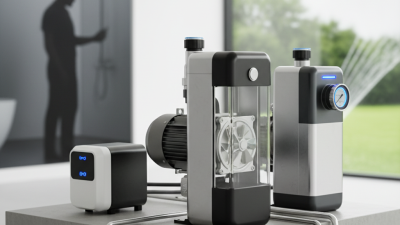
China-based pressure-booster manufacturers are best compared by application, not catalog size. Residential systems usually need compact multistage pumps and variable-speed control. These can steady shower pressure when several taps run. Check the stated pressure range, dry-run protection, and noise level. Small detail. Sound travels through walls.
Commercial buildings need reliable service across changing demand. Apartment blocks, hotels, and offices benefit from duty-and-standby arrangements, clear controller alarms, and accessible maintenance points. Ask for performance curves at the required flow and head, not only the motor’s rated power. A technically sound unit can still perform poorly if it is oversized or commissioned badly.
Industrial buyers should assess water quality, temperature, materials, and continuous-duty requirements. The U.S. Department of Energy’s 2006 Improving Pumping System Performance sourcebook estimates that pumping systems use nearly 20% of global electricity; in some industrial plants, they account for 25–50% of energy use. That figure is broad and dated, so it should guide attention, not replace a site audit. Compare lifecycle energy, spare-parts access, and service response alongside purchase price. No shortlist is perfect. Real operating data often changes the ranking.