How to Choose the Right Booster Pump?
Choosing the right booster pump begins with understanding the water system, not the product label. A pump that performs well in a two-storey home may struggle in a workshop with long pipe runs. I have seen buyers focus on horsepower while overlooking flow demand, inlet pressure, and pipe diameter. Small details matter. A quiet bathroom shower, a garden tap, and several operating outlets require different pump behavior.
This guide explains how to match a booster pump with real operating conditions. It examines pressure requirements, flow rate, power supply, noise, materials, controls, and maintenance access. Manufacturer curves provide useful evidence, but they cannot replace measurements from your own system. That assumption can fail. Static pressure may look acceptable while pressure drops sharply when multiple fixtures open. A reliable selection should also consider dry-running protection, thermal safety, warranty coverage, and local service support. These features often cost more initially, yet they can reduce downtime and premature replacement.
Professional installers usually verify the duty point before recommending a model. They may measure pressure at the source, estimate peak demand, and check whether the existing pipes can handle increased pressure. Independent technical guidance and recognized safety standards also deserve attention. Still, no recommendation is perfect without site information. A compact pump may be efficient, but it could become noisy in a poorly ventilated cabinet. A powerful unit may solve low pressure while creating unnecessary stress on old fittings. The best choice balances performance, durability, operating cost, and the limits of the complete water system.
What Is a Booster Pump and When Is It Needed?
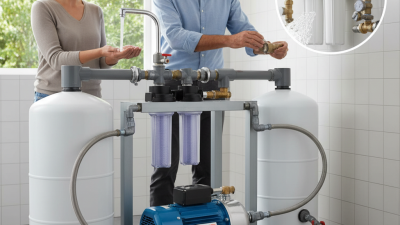
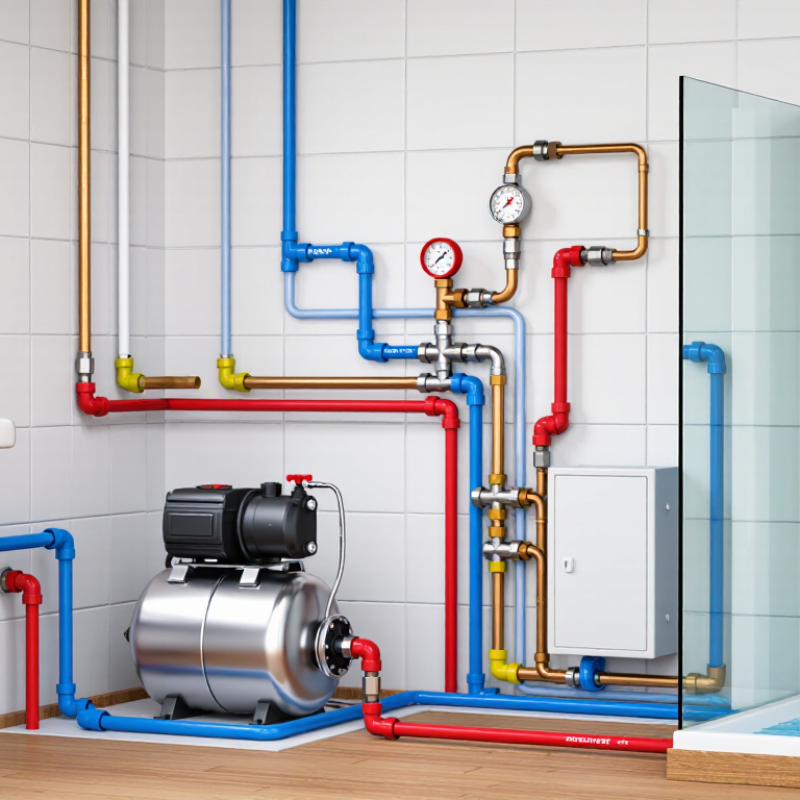
A booster pump is a mechanical device that increases water pressure when the existing supply cannot meet demand. It draws water from a storage tank, municipal line, or shallow source, then delivers it at a stronger, steadier pressure. Homes with weak showers, upper-floor fixtures, or long pipe runs may need one. So might small offices, irrigation systems, and buildings with several outlets operating together.
Pressure problems are not always caused by a missing pump. A blocked filter, partly closed valve, leaking pipe, or undersized supply line can create similar symptoms. Check the pressure with a reliable gauge during quiet periods and peak use. The difference matters. A pump should match the required flow rate, pressure increase, pipe size, and water temperature. An oversized unit may cycle rapidly, waste energy, and create noisy water hammer. An undersized unit may run constantly without solving the complaint.
I once assumed a pump was necessary after hearing repeated shower complaints. A clogged inlet screen was the real cause. That mistake reinforced the value of testing before purchasing equipment. For selection, record the lowest incoming pressure, the number of fixtures, and the highest outlet elevation. A pressure tank can reduce frequent starts, while a check valve may prevent unwanted reverse flow. Installation should include accessible isolation valves and safe electrical protection. Local plumbing and electrical requirements still need confirmation by a qualified professional. Expect some adjustment after installation. Real buildings rarely behave exactly like the first calculation.
How to Calculate Your Required Water Pressure and Flow Rate
How to Choose the Right Booster Pump?
Start with the water pressure and flow rate your system actually needs. The U.S. Environmental Protection Agency’s Residential End Uses of Water, Version 2, reports that showers account for about 20% of indoor residential water use. However, daily averages do not size a pump. Peak demand matters more. List the fixtures likely to run together, then add their flow rates. A WaterSense showerhead uses no more than 2.0 gallons per minute, while a standard faucet may use about 1.5 gallons per minute. Three simultaneous fixtures could therefore require roughly 5.5 gallons per minute.
Pressure needs a separate calculation. Add the minimum pressure required at the highest fixture, elevation loss, pipe friction, and a practical safety margin. Water pressure drops approximately 0.433 psi for every foot of vertical rise. A second-floor outlet 20 feet above the tank loses about 8.7 psi before friction is considered. If that outlet needs 30 psi, the piping loses 6 psi, and the margin is 5 psi, the pump must deliver at least 49.7 psi at that point. Subtract the available inlet pressure when selecting pump boost.
Do not simply choose the largest pump. Oversizing can create noise, short cycling, and unnecessary energy use. The International Plumbing Code and ASPE fixture-unit methods offer better demand estimates than guessing. Still, real homes behave differently. A long, narrow pipe may perform worse than expected. Measure pressure during peak use, check pipe diameter, and verify the pump curve at your calculated flow. My first estimate would remain provisional until field testing confirms it.
Which Booster Pump Type Fits Your Water System?
How to Choose the Right Booster Pump?
Which Booster Pump Type Fits Your Water System?
Choosing a booster pump starts with the water system, not the pump catalogue. Measure the incoming pressure, required flow, pipe length, and elevation difference. A two-story home may need steady pressure upstairs, while a workshop may need higher flow for several outlets. Pressure losses from elbows, filters, and narrow pipes also matter.
A centrifugal booster pump suits many clean-water systems with consistent demand. It works well for showers, taps, and small irrigation lines. A constant-pressure pump can reduce noticeable pressure changes when several fixtures operate together. Variable-speed models adjust output as demand changes, which may lower energy use. However, they can require more careful setup and maintenance.
Small systems may benefit from a compact automatic pump and pressure vessel. Systems with fluctuating demand may need a multi-pump booster set for smoother operation and backup capacity. A self-priming design is useful when air may enter the suction line, but it cannot correct poor pipe installation.
I once trusted a pressure reading taken near the pump. The upstairs shower still performed badly because the gauge ignored elevation loss. That mistake changed my testing method.
Check water quality, electrical supply, noise limits, and available service access before choosing. The pump should match the storage tank, controls, and pipe diameter. Oversizing is not always better; it can cause cycling, noise, and wasted energy. A qualified technician should verify the final selection and protective controls.
How to Check Pump Materials, Controls, and Energy Efficiency
Choosing the right booster pump begins with materials, controls, and measured energy use. Match wetted parts to the water chemistry, temperature, and pressure. Stainless steel suits many clean-water systems, while coated cast iron may fit less aggressive conditions. Check seals carefully. A small mismatch can cause leakage, corrosion, or early failure.
Controls should maintain pressure without constant full-speed operation. A variable-speed drive can reduce speed during low demand, but only when sensors are correctly positioned and calibrated. Place the pressure sensor near the critical outlet, not beside the pump discharge. Include dry-run protection, overload protection, and a reliable check valve. Simple controls often perform better than complicated settings nobody reviews. That point is easy to miss.
Energy deserves a life-cycle view. The International Energy Agency reports that electric motor systems use about 53% of global electricity. Hydraulic Institute life-cycle-cost guidance also identifies energy as one of the largest pump ownership expenses, often exceeding 40% in suitable applications. Ask for duty-point efficiency, not just the best efficiency value on a chart. A pump operating far from its design point wastes power. Measure flow, pressure, and running hours after installation. Then compare actual consumption with the design estimate. The estimate may be wrong. That is useful information, not failure. Be cautious with oversized pumps; throttling a valve can hide a poor selection while increasing long-term energy costs.
How to Compare Installation Needs, Maintenance, and Total Cost
Choosing a booster pump requires more than matching flow and pressure. Installation conditions often decide whether the pump performs well.
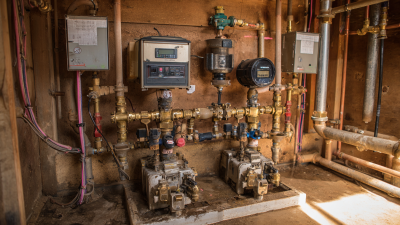
Check the suction pipe first. It should be short, properly supported, and free from unnecessary elbows. Poor alignment can create vibration, noise, and unstable pressure. Confirm available NPSH, electrical capacity, drain access, and space for removing the motor. Variable-speed control may reduce pressure fluctuations, but it adds commissioning work and electrical complexity. A neat installation can still fail when the control settings are wrong.
Maintenance deserves a realistic comparison. Record seal replacements, bearing checks, filter cleaning, calibration, and technician hours. The U.S. Department of Energy reports that pumping systems can represent nearly 25% of industrial electricity use. Its pumping-system sourcebook also identifies potential energy savings of 20–50% through system optimization. Those figures are not guarantees. Oversized pumps, throttled valves, and frequent cycling can erase the benefit.
Compare total cost over the expected service life, not the purchase invoice. Include equipment, pipe modifications, wiring, commissioning, electricity, water loss, spare parts, and downtime. The Hydraulic Institute’s life-cycle cost guidance recommends evaluating acquisition, installation, energy, maintenance, and disposal costs together. A lower-priced pump may need more repairs. A premium control package may never repay itself in a lightly used building. Measure actual demand for several days, then test the calculation against seasonal conditions. My own caution is simple: the spreadsheet is only as honest as its operating assumptions.
How to Choose the Right Booster Pump?
Comparison of typical installation time, annual maintenance cost, and estimated 10-year ownership cost for common booster pump configurations.
Indicative planning values in USD for a typical light-commercial installation. Variable-speed and packaged constant-pressure systems generally require more installation time, but may reduce maintenance needs and improve pressure control. Actual costs vary with pipework, electrical work, water demand, and local labor rates.