Choosing the best water pressure booster pump requires more than comparing horsepower, price, or glossy product claims. Pressure must match the building, pipe layout, flow demand, and incoming supply. A compact apartment system behaves differently from a hotel with simultaneous showers, kitchens, and irrigation zones.
Industry data shows why this decision matters. The U.S. Department of Energy identifies pumping systems as major energy users and recommends system-level assessment rather than isolated equipment upgrades. The Hydraulic Institute also stresses that correct sizing, variable-speed control, and efficient operation can reduce wasted energy. Meanwhile, Grand View Research reports continued growth in the global water pumps market, driven by building upgrades, urban development, and water-efficiency projects.
The pump is not the whole answer.
Michael Michaud, former executive director of the Hydraulic Institute, has emphasized a practical principle: “Energy efficiency is not just about the pump; it is about the entire system.” That idea deserves attention. A powerful water pressure booster pump may still deliver noisy operation, short cycling, or disappointing pressure when pipes are restricted or storage is inadequate.
Real-world testing matters. Measure static pressure at the lowest-demand period. Then check flow while several fixtures run. Listen for vibration near elbows and valves. Small details often expose large design mistakes.
Some recommendations remain imperfect. Manufacturer curves may use ideal conditions. Household demand also changes. This guide examines pump types, control methods, pressure targets, installation limits, maintenance needs, and life-cycle cost, helping readers choose with evidence rather than guesswork.
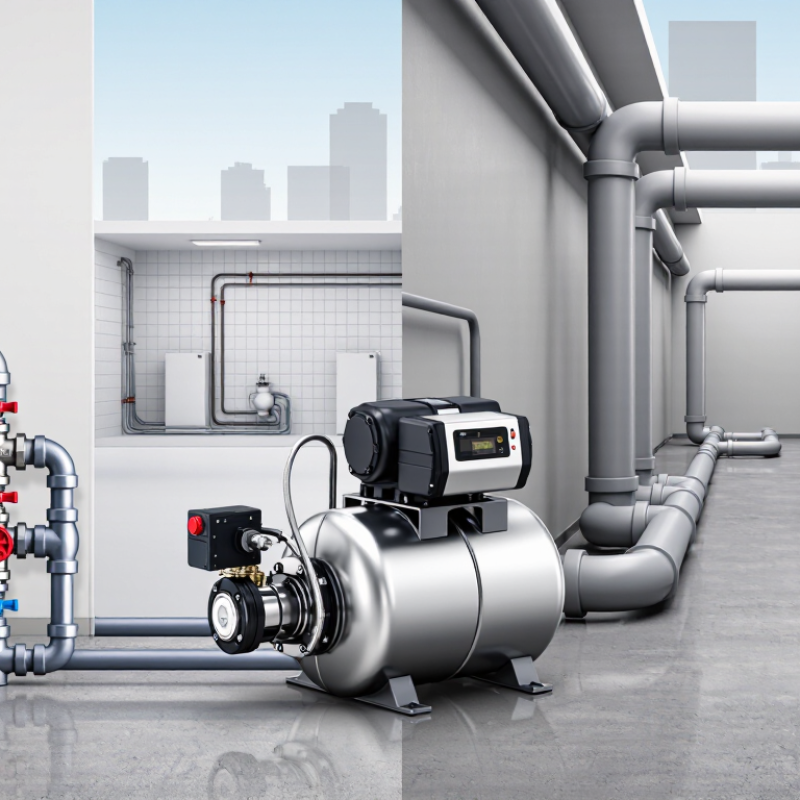
A water pressure booster pump increases water pressure when the incoming supply cannot serve fixtures comfortably. It draws water through an impeller and adds controlled pressure to the household system. The result may be a stronger shower, steadier taps, and better performance upstairs. However, a pump cannot repair a blocked filter, leaking pipe, or undersized service line.
ASPE’s Plumbing Engineering Design Handbook commonly uses about 40 psi as a practical lower operating point for many residential fixtures, while actual requirements vary by building height and pipe design. Pressure above roughly 80 psi can damage plumbing components, so a pressure-reducing device may be necessary. The U.S. Environmental Protection Agency’s WaterSense program reports that household leaks can waste nearly 1 trillion gallons of water annually in the United States. Check leaks first. A booster should solve low pressure, not hide another fault.
Tips: Measure static and flowing pressure with a gauge at an outdoor hose connection. Record both readings during peak use. Choose a pump with automatic controls, suitable flow capacity, and a properly sized expansion tank. A pressure tank can reduce rapid cycling. I would not select a pump from pressure alone; flow demand matters, and this is where many quick installations go wrong. Local plumbing rules and a qualified professional should confirm the final setup.
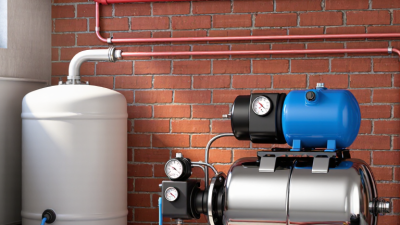
A water pressure booster pump increases flow when incoming water feels weak. It does not create unlimited water. Instead, it senses pressure changes and adds force through an electric motor and impeller. When a shower valve opens, pressure drops inside the pipe. The pump detects this change and starts automatically. It pushes water forward, helping fixtures deliver a steadier stream.
In a typical home, water enters the pump through an inlet pipe. The impeller spins and transfers energy to the water. A pressure sensor then controls the motor as demand changes. Good systems stop when taps close. They may also include a small tank, which reduces frequent starts. I have seen poorly sized pumps cycle too often. That wastes energy and may shorten service life. Pipe size, elevation, household demand, and inlet pressure all matter.
Tips: Measure pressure with a gauge before choosing a pump. Check the flow rate during peak use, such as two showers running together. Install a strainer before the pump to catch grit. Keep electrical connections dry and use professional installation where required. Noise can also reveal trouble. A humming pump with weak flow may indicate air, a blocked filter, or an undersized model. Local water rules should be checked, too.
| Selection Dimension | Typical Residential Range or Specification | Why It Matters | Practical Recommendation |
|---|---|---|---|
| Typical pressure increase | Approximately 15–40 psi (1.0–2.8 bar), depending on pump size and system resistance | Determines whether showers, faucets, appliances, and irrigation fixtures receive adequate pressure | Calculate the pressure deficit first; avoid selecting a pump that produces excessive pressure for the plumbing system |
| Common operating pressure | Many household systems are designed around approximately 40–60 psi; local plumbing codes and equipment limits may differ | Pressure that is too low reduces fixture performance, while excessive pressure can stress pipes and fittings | Use a pressure-reducing valve or pressure controller when the boosted pressure could exceed the plumbing rating |
| Flow capacity | Approximately 5–20 gallons per minute (19–76 liters per minute) for many residential applications | The pump must supply the required flow while maintaining pressure at the most demanding fixture | Estimate simultaneous demand instead of sizing the pump only for one faucet |
| Pump technology | Single-stage centrifugal, multistage centrifugal, or variable-speed constant-pressure designs | Pump design affects pressure stability, noise, efficiency, and suitability for changing demand | A variable-speed or multistage model is generally more suitable when several fixtures operate at different flow rates |
| Motor power | Often about 0.5–2 horsepower for residential booster applications | Higher power can provide greater pressure or flow, but it may increase energy use and installation requirements | Choose the smallest motor that meets the calculated pressure and flow requirements |
| Control method | Pressure switch, flow sensor, electronic controller, or variable-frequency drive | Controls determine when the pump starts and stops and how consistently it maintains pressure | Electronic or variable-speed control can reduce pressure fluctuations and limit unnecessary cycling |
| Noise level | Quiet residential installations are commonly targeted at approximately 45–60 dB, although actual noise varies by design and mounting | Noise is especially important when the pump is installed near bedrooms, living areas, or office spaces | Use vibration isolation, flexible connectors, and a rigid, level mounting surface |
| Water source compatibility | Municipal supply, storage tank, rainwater tank, or well system, subject to pump inlet requirements | A booster pump cannot correct an inadequate water source, blocked pipe, closed valve, or failing well system | Verify minimum inlet pressure and available flow before installation; never allow the pump to run dry |
| Pipe connection size | Common residential connections include ¾ inch, 1 inch, and 1¼ inches, depending on flow requirements | Undersized pipes, restrictive filters, and unnecessary elbows increase friction loss and reduce delivered pressure | Match the pump connection and pipework to the required flow; do not rely on a small pipe to deliver high flow |
| Electrical supply | Common residential supplies include 120 V or 230 V AC, depending on location and motor design | The circuit must safely support the motor's voltage, current, starting load, and protective devices | Have electrical connections completed according to local electrical codes by a qualified professional |
| Protection features | Dry-run protection, overload protection, thermal protection, leak detection, and anti-cycling control | Protection features help prevent motor damage, overheating, wasted water, and repeated short cycling | Prioritize dry-run and overload protection when the water supply may be intermittent |
| Best choice for a single weak shower | Compact automatic booster with modest flow and pressure output | A small, properly controlled pump can improve one fixture without unnecessarily pressurizing the entire building | Check for a blocked showerhead, clogged filter, or partially closed valve before installing a pump |
| Best choice for multiple fixtures | Multistage or variable-speed booster sized for the calculated simultaneous demand | Multiple fixtures require greater flow and more stable pressure than a single outlet | Use a system curve or professional sizing calculation rather than selecting by motor horsepower alone |
| Best choice for a storage tank | A self-priming or tank-compatible centrifugal booster with low-water protection | The pump must maintain prime and receive enough water at its inlet to prevent cavitation or dry running | Install suitable inlet piping, a strainer where required, and a low-level cutoff or equivalent protection |
| Step | System Action | Explanation |
|---|---|---|
| 1 | A fixture creates demand | Opening a faucet, shower, toilet supply, or appliance allows water to move through the plumbing system. |
| 2 | The controller detects flow or pressure change | A pressure switch, flow sensor, or electronic controller signals the motor to start when demand is detected. |
| 3 | The impeller transfers energy to the water | The motor rotates an impeller. The impeller increases the water's velocity, and the pump casing converts part of that velocity into pressure. |
| 4 | Pressure overcomes system losses | The added pressure compensates for elevation, pipe friction, filters, valves, and fixture resistance. |
| 5 | The pump adjusts or stops | When demand falls, the controller reduces speed or stops the pump at the target pressure, helping limit cycling and energy use. |
Booster pumps differ in speed control, pressure output, noise, and maintenance needs. A centrifugal pump is the common household choice. It uses a rotating impeller to increase flow through pipes. These pumps suit showers, kitchens, and small irrigation systems. They work best with a steady water supply.
Multistage centrifugal pumps use several impellers. Each stage adds pressure. They fit taller homes, long pipe runs, and weak municipal supplies. A positive displacement pump moves a fixed water volume per cycle. It can deliver stronger pressure at lower flow rates, but it may create more vibration. Variable-speed pumps adjust motor speed as demand changes. This can reduce pressure swings and wasted electricity.
The U.S. Department of Energy reports that pumping systems may consume 25% to 50% of industrial electricity. Household systems are smaller, but the lesson remains practical: oversizing wastes energy. It also causes harder starts and louder operation. I would not select a pump from pressure numbers alone. Check flow rate, inlet conditions, pipe diameter, and duty cycle. The label can mislead.
The best type depends on the building. A compact centrifugal unit may suit one bathroom. A multistage model may better serve several floors. A technician should measure pressure during peak use, not only at night. That small test often changes the recommendation.
The best booster pump is not always the largest one. Start by measuring your home’s static pressure and flow rate. Then check the pressure while several fixtures operate together. Pressure alone is not enough. A shower may feel acceptable until a washing machine fills and another tap opens.
Match the pump to your system’s peak demand, pipe diameter, and required pressure increase. A small apartment may need steady support for one bathroom, while a larger home may require higher flow and a pressure tank. Check the pump curve carefully, rather than trusting a headline capacity. The stated maximum flow often assumes little resistance. Real pipes, bends, filters, and valves reduce performance.
Control type also matters. Variable-speed controls can maintain smoother pressure, but they require suitable electrical protection and careful setup. A basic pressure switch may be simpler to service. Consider noise near bedrooms, water temperature, corrosion-resistant materials, and access for cleaning. Measure the installation space before ordering. It sounds obvious, yet this mistake is common. I would also inspect the incoming supply first; a blocked filter or undersized pipe can imitate a weak pump. A qualified installer should verify connections, electrical safety, and local plumbing requirements. Some systems need a bypass, non-return valve, or expansion control. Small details matter.
The best water pressure booster pump is not simply the strongest model. It should match your home’s pipe size, water demand, and available supply pressure. In practical installations, a pressure sensor is essential because it starts the pump when a tap opens and stops it when demand ends. This reduces unnecessary cycling. Adjustable pressure settings are also useful for homes with different floor levels or multiple bathrooms. Quiet operation matters.
A reliable pump should include dry-run protection, overload protection, and a durable, corrosion-resistant housing. These features help prevent damage when the water supply is interrupted. Check the rated flow carefully, not just the maximum pressure. A pump may show impressive pressure figures but perform poorly when several showers run together.
Energy-efficient motors can lower operating costs, although efficiency claims need independent testing. This is where many buyers become too optimistic.
Installation quality affects performance as much as the pump itself. A qualified installer should inspect pipe restrictions, filters, valves, and electrical safety before fitting the unit. Clear maintenance instructions and a meaningful warranty also signal dependable support. I would measure water pressure at different times of day before choosing a pump. Morning readings may differ sharply from evening readings.
More power is not always better. An oversized pump can create noise, stress household plumbing, and waste electricity. Even careful recommendations can miss hidden pipe problems.
sale@harbertpump.com,
sale@harbertpump.com