What is a Welding Blanket and How to Choose the Best One?
Welding Blankets are essential protective tools in various welding applications. They serve not only to shield workers from sparks and spatter but also to protect nearby equipment from damage. Selecting the best Welding Blanket requires understanding material composition, heat resistance, and size. Different projects may have specific needs that dictate the type of blanket necessary.
Choosing a Welding Blanket isn't always straightforward. Factors like thickness, insulating properties, and ease of use can influence your decision. An inadequate choice may lead to safety hazards or reduced work efficiency. It's crucial to evaluate the environment where the welding will take place. Consider the intensity of the welding tasks and the types of materials involved.
Welding Blankets can vary in quality and durability, which is why doing thorough research is important. Consulting professional welders or reviewing credible resources can provide insights into reliable brands. Remember, investing in a good Welding Blanket can make a significant difference in safety and productivity. Reflect on your specific needs, and choose wisely.
What is a Welding Blanket and Its Purpose in Safety?
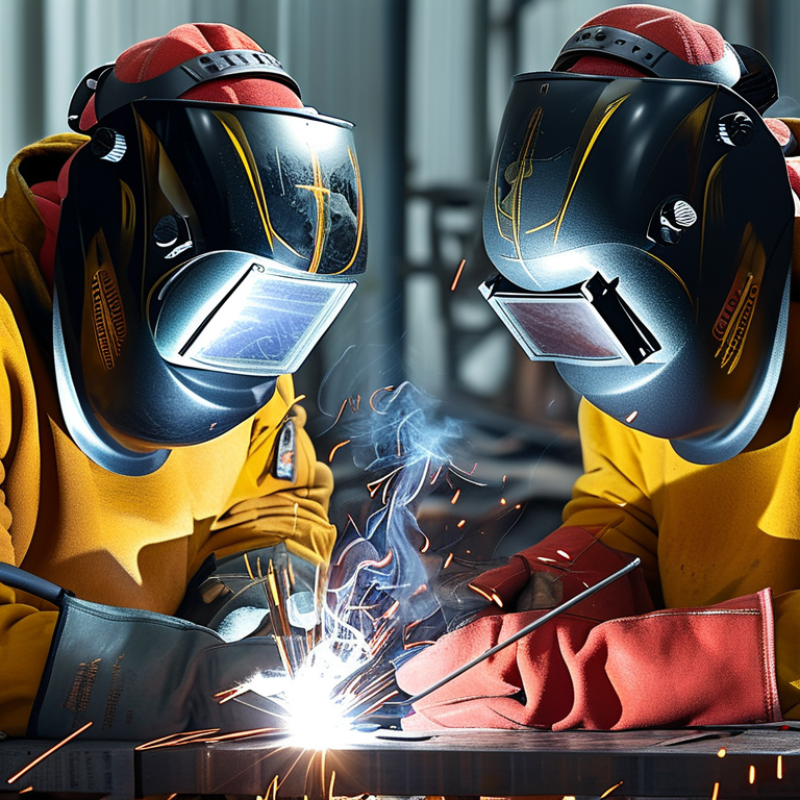
Welding blankets serve a crucial role in ensuring safety during welding operations. They are designed to protect against sparks, heat, and molten metal splatter. The National Fire Protection Association (NFPA) highlights that welding, cutting, and other hot work activities account for nearly 8,000 fires annually in the United States alone. Using a quality welding blanket can help reduce this risk significantly.
Choosing the right welding blanket involves understanding materials and ratings. Look for blankets made from fire-resistant fabric, like fiberglass or silica. These materials can withstand extreme temperatures, making them effective shields. The thickness of the blanket also matters; thicker options generally provide better protection. Additionally, ensure the blanket is rated for the specific type of welding you will be doing.
When selecting a welding blanket, consider the environment. Indoor and outdoor settings may call for different requirements. Compatibility with other safety gear is also essential. Remember that a good welding blanket must stay in place during use. Secure fixtures or weights can prevent it from being blown away or moved. Reflecting on these choices can enhance overall safety and efficiency.
Types of Welding Blankets: Materials and Their Characteristics
Welding blankets come in various materials, each with unique characteristics. The most common types include fiberglass, Kevlar, and ceramic blankets. Fiberglass offers excellent heat resistance, making it suitable for most welding tasks. Its ability to withstand temperatures up to 1,000°F (537°C) makes it a reliable choice. However, fiberglass can become brittle over time, especially if frequently exposed to high temperatures, requiring careful selection and maintenance.
Kevlar blankets are renowned for their strength and durability. They can resist high temperatures and are less prone to wear and tear compared to fiberglass. Kevlar can tolerate up to 900°F (482°C), making it a great option for high-intensity welding. However, they may not be as effective in situations involving molten metal splash, which could compromise their protective capabilities. Their lighter weight allows for easier handling, but that could lead to less coverage if not chosen correctly.
Ceramic blankets are specialized for extreme temperature applications, often used in industries demanding the highest performance levels. They can handle temperatures exceeding 1,800°F (982°C) without degradation. Despite their high tolerance, they are typically more expensive and may not be as user-friendly due to their weight and rigidity. Users must weigh cost against performance to avoid over-investing in a blanket that may not be necessary for their tasks.
Key Factors to Consider When Choosing a Welding Blanket
Choosing the right welding blanket is essential for safety and efficiency in any welding project. When selecting a welding blanket, consider the material. Look for flame-resistant fabrics that can endure high temperatures. Common materials include fiberglass and aluminum, both of which offer excellent heat resistance.
Another key factor is size. It should cover your workspace adequately to protect adjacent areas from sparks and spatter. A blanket that is too small may leave vulnerable spots exposed, leading to accidents. Additionally, check the thickness of the blanket. Thicker blankets provide better protection but may be less flexible. Balancing protection with ease of use is crucial.
It's also important to consider the weight of the blanket. Heavier blankets stay in place better, especially in windy conditions. However, they might be cumbersome in some situations. Reflect on your workspace environment. A welding blanket should not only protect surfaces but also prevent potential fire hazards.
Storing the blanket properly is often overlooked. Fold it neatly and keep it away from moisture to maintain its effectiveness. Regular inspection for any signs of wear or damage is a good practice. This ensures that the blanket remains reliable for future jobs.
How to Properly Maintain and Care for Welding Blankets
Welding blankets are essential for protecting both workers and surrounding materials during welding operations. Proper maintenance is crucial to ensure their effectiveness and longevity. Regularly check for any holes or tears. Even small damages can compromise their protective qualities. If you notice significant wear, replacement might be necessary. Don't ignore these signs; they could lead to accidents.
Cleaning your welding blanket is also important. Use a damp cloth to wipe off dirt and spatter. Avoid harsh chemicals that might damage the fabric. Air drying is preferable. It helps maintain the integrity of the material. Additionally, ensure proper storage when not in use. Keep the blanket away from extreme temperatures. Fold it neatly to prevent creasing.
Over time, you might find that your welding blanket does not perform as well. This could happen due to exposure to heat or sparks. Reflect on its usage and assess whether it meets your needs. Evaluate how often you have to clean it or replace it. These reflections can guide you in selecting the best blanket for future projects. Make informed decisions by considering your specific welding environment and safety requirements.
Common Applications and Uses of Welding Blankets in Various Industries
Welding blankets are essential in multiple sectors, providing safety during welding processes. They are commonly used in construction, manufacturing, and automotive industries. According to a report from the Occupational Safety and Health Administration (OSHA), proper use of welding blankets can reduce fire hazards significantly. This is critical, as welding activities accounted for approximately 13% of workplace fires in 2022.
In construction, welding blankets protect workers and surrounding structures from sparks and molten metal. The American Welding Society data indicates that, without adequate protection, secondary fires can occur in less than a minute. In the automotive sector, they shield sensitive components during fabrication. The effectiveness of a welding blanket is closely tied to its material and thickness. Selecting a blanket with a proper melting point is crucial for ensuring safety.
However, not all blankets are created equal. Many factors influence their effectiveness, such as size and weight. Some may find it challenging to choose the right one due to varying standards in different industries. Employers should regularly assess their workplace safety protocols. This reflection ensures that appropriate protective measures are always in place, minimizing risks associated with welding.
What is a Welding Blanket and How to Choose the Best One? - Common Applications and Uses of Welding Blankets in Various Industries
| Dimension | Material | Temperature Resistance (°F) | Common Applications |
| 4' x 6' | Fiberglass | 1000°F | Welding, Fabrication |
| 6' x 8' | Wool | 1200°F | Metalworking, Casting |
| 3' x 5' | Ceramic Fiber | 2300°F | Industrial Manufacturing |
| 8' x 10' | Silicone Coated | 500°F | Automotive Repair, Repairs |
| 5' x 5' | Canvas | 400°F | Construction, DIY |