What is a Water Pressure Pump and How Does It Work?
A water pressure pump plays a vital role in various sectors, including residential, agricultural, and industrial applications. According to a report by MarketsandMarkets, the global water pump market is projected to reach $80 billion by 2026, highlighting the essential nature of such systems. These pumps help direct water flow, ensuring adequate pressure for efficient operation.
Understanding how a water pressure pump works is crucial for maximizing its potential. These pumps draw water from sources like wells or tanks and provide the necessary pressure to distribute it effectively. However, many users may overlook maintenance and upgrade necessities, which can lead to inefficiencies and higher costs.
In some cases, choosing the right pump can feel overwhelming. Users often face challenges in selecting pumps that suit their specific needs. Misunderstanding pump specifications or ignoring environmental factors can result in suboptimal performance. Consequently, it's essential to reflect on the choices and challenges when managing water pressure systems effectively.
What is a Water Pressure Pump?
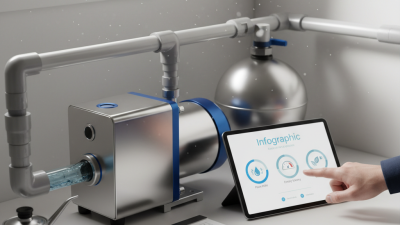
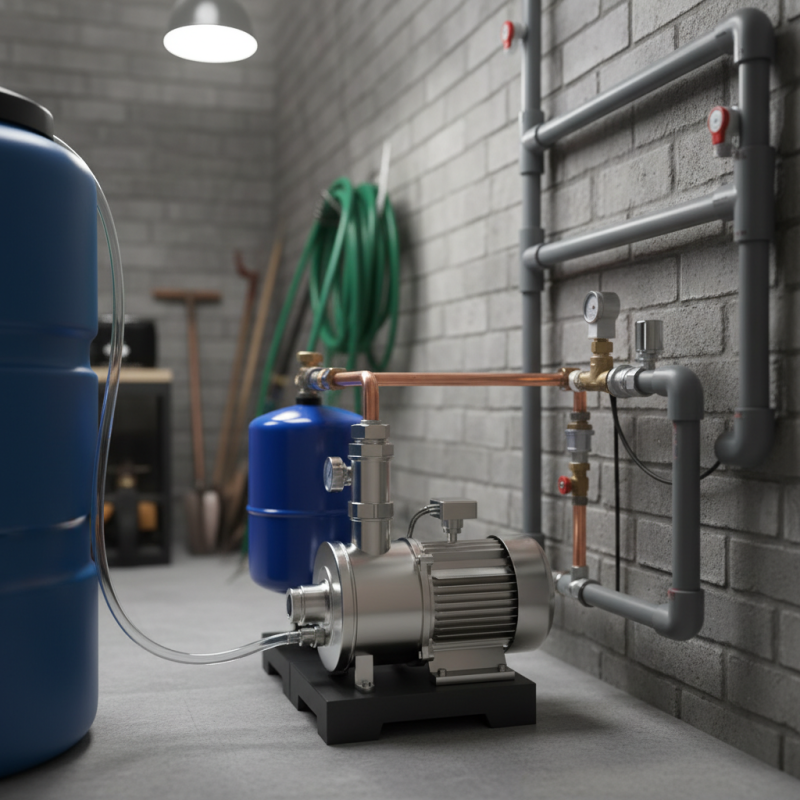
A water pressure pump is a device designed to increase water pressure in a plumbing system. This tool is quite useful in homes and buildings with low water pressure. It ensures that taps, showers, and hoses deliver a steady, adequate flow of water. Without such a pump, daily chores can become frustrating. Imagine trying to take a shower under a weak stream; it can easily turn into a less than pleasant experience.
Typically, these pumps work by using an electric motor to create suction. The motor draws water from a source and pushes it through a pipeline at an increased pressure. However, it’s not foolproof. Sometimes, these systems can malfunction due to various reasons. For instance, they may lose prime, causing reduced efficiency. Fluctuating pressure can also occur, leading to inconsistency in water flow.
Regular maintenance is crucial for optimal performance. Clogs in the pipes or pump can hinder function. Additionally, understanding how to operate and troubleshoot these devices is vital. Homeowners should be aware of potential issues like noise or vibration. These signs often indicate a need for repair or adjustment. If neglected, it could lead to costly damage or replacement. Water pressure pumps play a key role in modern plumbing, but they require attention and care to work effectively.
Key Components of a Water Pressure Pump
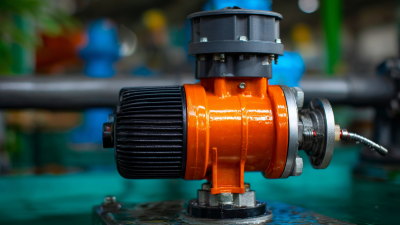
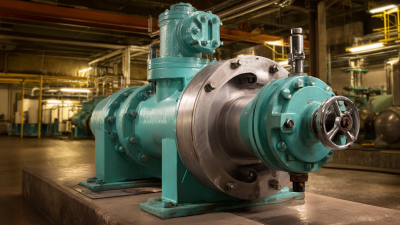
A water pressure pump is designed to boost water pressure in various applications. It consists of several key components that work together to ensure efficient operation. The motor provides the necessary power, while the impeller pumps the water. These parts need to work in harmony for optimal performance.
The pump housing holds all the components. It is crucial for containing water and preventing leaks. The pressure switch regulates the system’s pressure, turning the pump on and off as needed. This cycling can sometimes lead to wear, which may require attention over time.
Lastly, the inlet and outlet connections are essential for directing water flow. They should fit securely to avoid unnecessary wastage. If not snug, leaks may develop, causing frustration. Regular maintenance can address these issues, but often it gets overlooked. Understanding these components can help users make informed decisions about their water pressure needs.
How Does a Water Pressure Pump Function?
A water pressure pump is essential for many homes and businesses.
It increases water pressure for various applications. These pumps draw water from a source, like a well or tank, and boost its pressure before distributing it. For example, installing a water pressure pump can improve shower performance and increase irrigation efficiency.
How does a water pressure pump function? It relies on mechanical and hydraulic principles. The pump typically uses an electric motor to activate an impeller.
The impeller spins rapidly, creating a vacuum that pulls water into the pump. This process builds pressure and forces the water through pipes. According to industry reports, proper installation can increase water flow by up to 40%. However, if not maintained, pumps can fail. Issues like cavitation or air locks can disrupt performance.
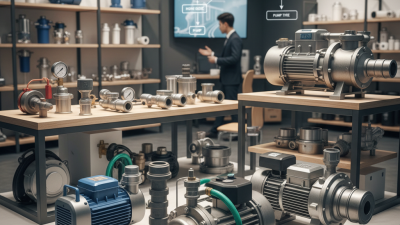
Moreover, proper sizing is crucial. An oversized pump can waste energy. A pump that is too small may not meet demand. Many users overlook these aspects, leading to inefficiencies.
Regular check-ups and adjustments can enhance performance and longevity. Investing time and resources into maintaining a water pressure pump pays off.
Common Applications of Water Pressure Pumps
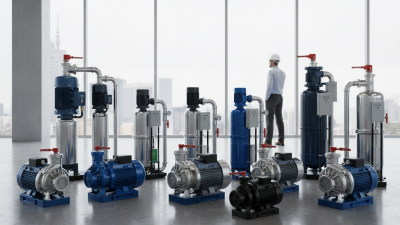
Water pressure pumps play a crucial role in various applications. One common use is in residential water supply systems. These pumps enhance water pressure, ensuring that taps and showers provide a strong flow. This is especially important in homes with low water pressure. A reliable pump can transform daily routines, making tasks like washing dishes or showering more enjoyable.
Another application is in irrigation. Farmers often use water pressure pumps to ensure their crops receive adequate moisture. With consistent pressure, water reaches every plant efficiently. However, choosing the right pump can be challenging. It’s essential to assess the land’s specific needs and flow rates. Sometimes, the wrong pump can lead to underwhelming results or wasted resources.
In industrial settings, these pumps are vital. They facilitate processes that require specific water pressures. Factories may need consistent pressure for cooling systems or production lines. However, maintenance can be overlooked. A neglected pump may underperform or fail unexpectedly, leading to costly downtime. Careful attention to maintenance can help avoid these issues and enhance efficiency.
Maintenance Tips for Water Pressure Pumps
Maintaining a water pressure pump is crucial for its performance. Regular checks can prevent costly repairs. Inspect the inlet filter for debris. A clogged filter can reduce efficiency. Clean or replace it when needed. This small step can make a significant difference.
Listen for unusual noises. Strange sounds may indicate a problem. It could mean the motor is struggling. Addressing issues early can save time and money. Check the pump’s pressure settings as well. If the pressure fluctuates wildly, it may need recalibration.
Don’t forget to assess the connections. Loose hoses can cause water leaks. Tighten any loose fittings. Keep an eye on the water level too. If the level is low, it can lead to overheating. Sometimes, pumps may just stop working. This can be frustrating. Understanding these nuances can lead to better maintenance practices. Regular attention helps in avoiding bigger headaches down the line.