Water pump services are essential for various applications, from agriculture to construction. According to industry reports, the global water pump market will reach $50 billion by 2025. This growth emphasizes the increasing need for quality services related to water pumps. However, many users underestimate the importance of regular maintenance and expert services.
Understanding the types of water pump services available can help businesses and homeowners. From installation to repair, each service plays a crucial role in ensuring efficiency. A study suggests that improperly maintained pumps can lead to a 25% decrease in efficiency. Ignoring such data can result in higher operational costs and reduced lifespan of the equipment.
Professional water pump services can be the difference between smooth operation and costly repairs. It is vital to engage with knowledgeable providers who can offer advice and support. Often, individuals overlook their specific needs, leading to ineffective solutions. Recognizing the importance of reliable water pump services is key to optimizing performance and achieving long-term savings.
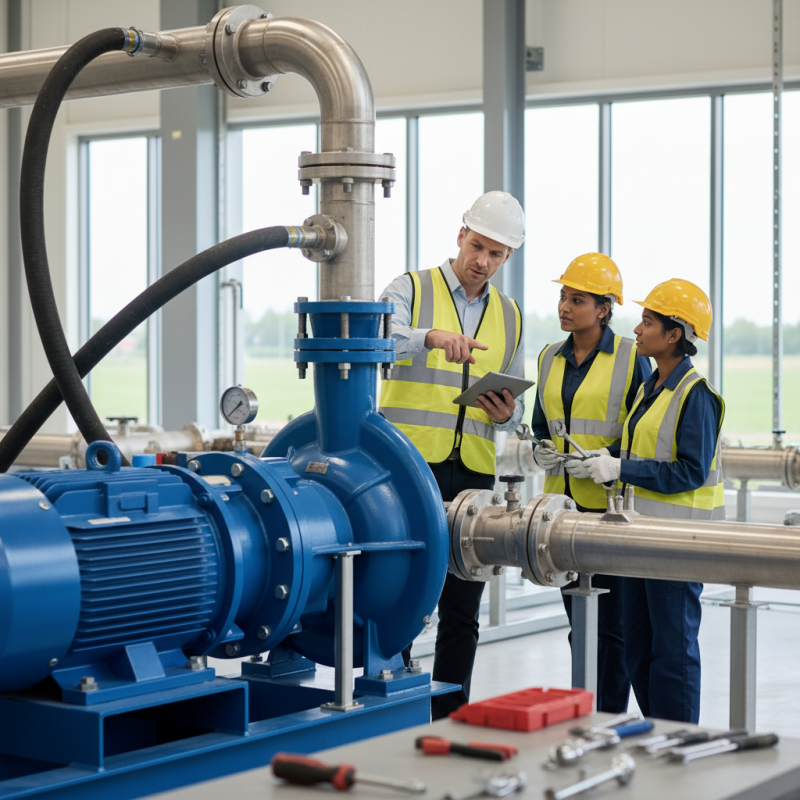
Water pumps are vital in various applications. Each type serves a specific need. Understanding these types is crucial.
One common type is the centrifugal pump. This pump moves water through rotational energy. According to the Hydraulic Institute, centrifugal pumps make up around 80% of industrial pumps globally. They are efficient for large volumes. However, they can struggle with viscous fluids. Awareness of their limitations is essential for optimal use.
Another category is positive displacement pumps. They work differently, moving a fixed amount of water with each cycle. They are more effective for smaller, precise volumes and high-viscosity fluids. Research from the Pump Industry Analysts reveals that positive displacement pumps have seen a 15% increase in demand over the past five years. However, many users overlook maintenance needs, leading to potential failures. Understanding these details can help ensure better performance and longevity of equipment.

Water pumps play a crucial role in many applications. However, they can encounter common problems that are often overlooked. Understanding these issues is essential for efficient operation. One frequent issue is irregular noises. If your pump sounds unusual, it may signal internal problems. Listen carefully. These noises often indicate wear or misalignment.
Another common problem is inadequate water flow. If the water pressure drops suddenly, it’s a red flag. Check for clogs in pipes or damaged components. Don’t ignore this. It could lead to more serious issues down the line. A thorough inspection may be necessary to identify the root cause.
Leaking water is also a major concern. A small leak may seem insignificant, but it can escalate. Monitor your pump regularly. Make sure connections are secure, and gaskets are intact. Addressing these problems early can prevent costly repairs. Ultimately, being proactive is key to ensuring your water pump operates smoothly.
| Problem Type | Symptoms | Possible Causes | Recommended Action |
|---|---|---|---|
| Low Water Pressure | Weak or insufficient water flow | Clogged pipes, damaged pump | Inspect and clean pipes, check pump condition |
| Strange Noises | Grinding, squeaking, or rattling sounds | Worn bearings, loose parts | Service the pump or tighten loose components |
| Overheating | Pump shuts off or makes a buzzing sound | Lack of water supply, electrical issues | Check water supply and wiring |
| Frequent Cycling | Pump turns on and off rapidly | Pressure tank problems, leaks | Examine pressure tank and sealing connections |
| Water Quality Issues | Discoloration, strange odor, or taste | Contamination, pump failure | Test water quality and service the pump |
Water pumps are essential for various applications, from domestic use to industrial processes. Regular maintenance ensures their efficiency. Without proper care, pumps can face performance issues. Routine checks can reveal problems before they escalate.
One crucial maintenance service is inspecting the seals and gaskets. These components can wear out or become damaged over time. If they fail, water leaks may occur. This not only affects pump performance but can also lead to costly repairs. Another important aspect is checking the motor’s condition. Is it overheating? Unusual noises could signal deeper issues.
Furthermore, regular cleaning of filters is vital. Clogged filters can hinder water flow, forcing the pump to work harder. This increases energy consumption. Keeping an eye on these components can extend the pump’s lifespan. It's easy to overlook these tasks, but neglecting them can lead to bigger headaches down the road. Proper maintenance isn't just about fixing issues; it's about preventing them.
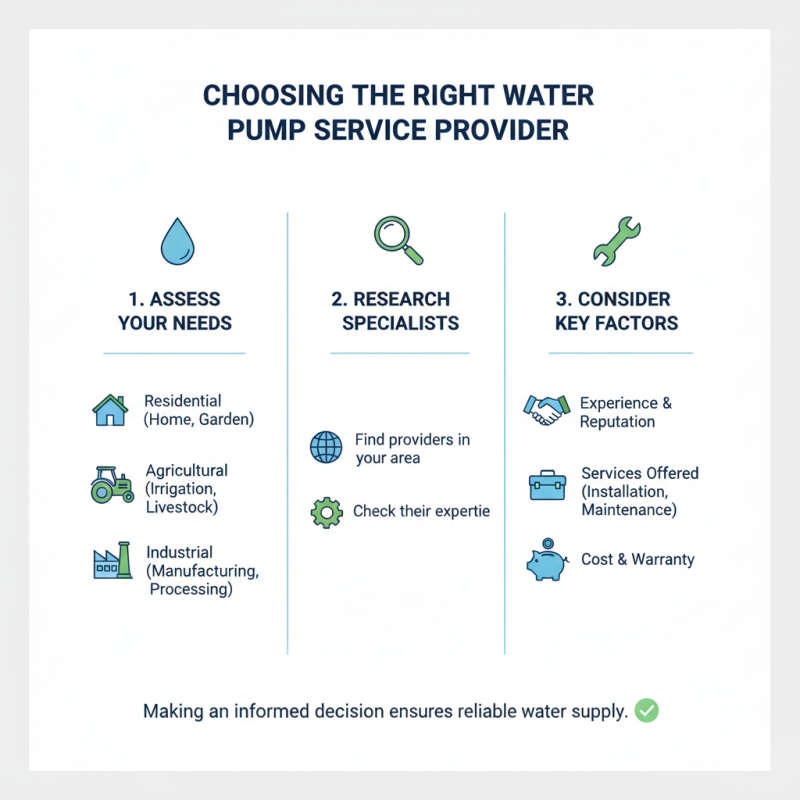
Choosing the right water pump service provider requires careful consideration. Start by assessing your specific needs. Different projects demand different types of pumps. Residential, agricultural, and industrial requirements can vary significantly. Research service providers who specialize in your area of need.
It's crucial to check qualifications and experience. A good provider should have relevant training. Look for testimonials or reviews from past clients. This information can give you insight into their reliability. Some companies may boast years of experience yet lack recent training. This gap can affect service quality.
Don't overlook pricing, but avoid choosing based solely on cost. A lower price may signal compromised service. Communication with the provider is vital. Are they responsive? Do they explain things clearly? Clarity can indicate professionalism. You want a partner for your project, not just a transaction. Be prepared to ask questions and voice concerns. This proactive approach leads to better outcomes.
When considering water pump installation and repair, cost factors play a crucial role. A survey by the National Association of Plumbing Contractors indicates that installation can range from $1,000 to $5,000. This wide range primarily depends on the pump type and system complexity. Components like piping, fittings, and labor also add to expenses. For instance, the cost of labor ranges from $50 to $150 per hour, contributing significantly to the final bill.
Maintenance and repair also incur costs that vary widely. According to industry reports, minor repairs average around $200. However, extensive work can push expenses over $1,000. Pump replacement is often a necessity if the unit is over ten years old or shows signs of major wear. It's essential to weigh these factors before making decisions. Skipping routine checks may lead to unforeseen costs later on. Neglect today can result in larger problems tomorrow, making proactive maintenance crucial for any water system.
sale@harbertpump.com,
sale@harbertpump.com