In today's fast-paced world, the demand for efficient water distribution is paramount. A reliable water booster pump system can significantly improve water pressure and flow rates in various applications. Homes, industrial sites, and agricultural settings all benefit from these systems. With numerous options available, choosing the right one can be overwhelming.
Different water booster pump systems cater to specific needs. Some are designed for residential use, while others are ideal for commercial or industrial environments. Understanding the unique features and capabilities of each system is essential. It ensures optimal performance and longevity. However, not every system fits every situation.
Selecting a water booster pump system requires careful consideration. Factors like flow rate, pressure requirements, and energy efficiency play critical roles. You'll find that two systems can deliver similar results, but one may be more energy-efficient than the other. Evaluating these aspects will lead to a more informed choice, benefiting both the user and the environment.
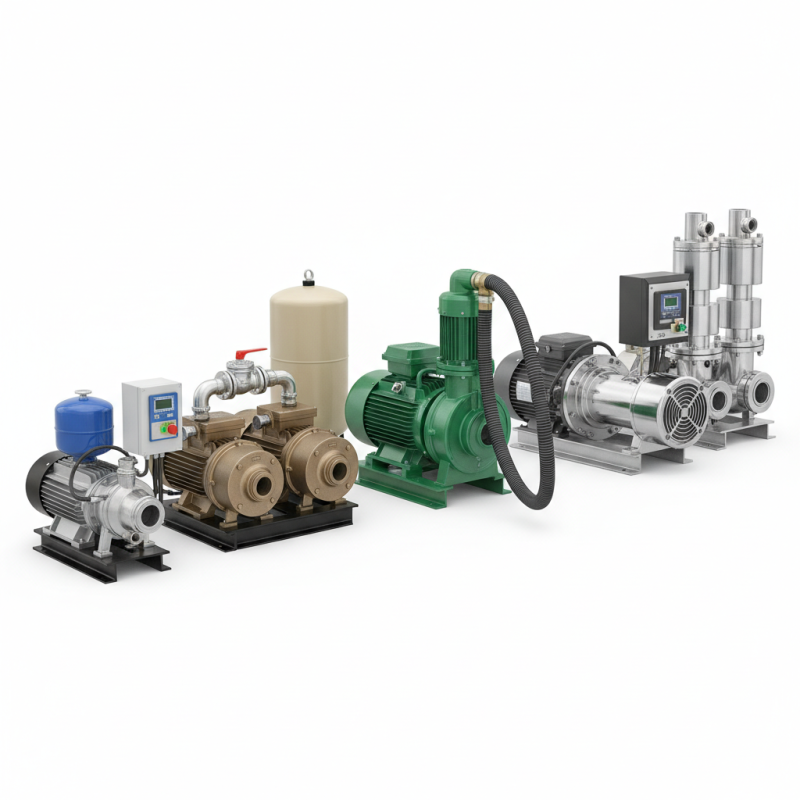
Water booster pump systems are essential for enhancing water pressure in residential and commercial settings. According to industry reports, nearly 20% of urban areas face inadequate water pressure issues. This indicates a significant demand for efficient booster systems. These pumps not only improve performance but also contribute to water conservation efforts by optimizing water usage.
A well-designed water booster system can enhance efficiency by up to 30%. This is particularly relevant in multi-story buildings where water pressure can drop significantly. By analyzing specific needs, users can select systems that offer variable speed drives. Such features ensure that the pump only runs at the necessary capacity, reducing energy waste. However, there's room for improvement. Often, systems are over-engineered, leading to higher than necessary operational costs.
Installation and maintenance practices also play a role in overall efficiency. Poor setup can negate potential benefits. Regular maintenance checks are vital, yet many systems run without adequate oversight. This lack of attention can lead to increased wear and tear. In certain cases, users have reported that despite investing in quality systems, performance did not meet their expectations initially. They realized that continuous monitoring and adjustments are crucial for optimal performance.
| Pump Model | Flow Rate (GPM) | Max Pressure (PSI) | Power (HP) | Efficiency Rating |
|---|---|---|---|---|
| Pump A | 30 | 70 | 1.5 | 85% |
| Pump B | 50 | 60 | 2.0 | 90% |
| Pump C | 40 | 80 | 1.0 | 88% |
| Pump D | 35 | 75 | 1.5 | 87% |
| Pump E | 20 | 65 | 0.5 | 80% |
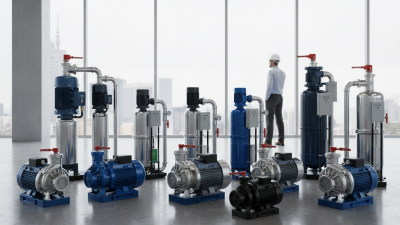
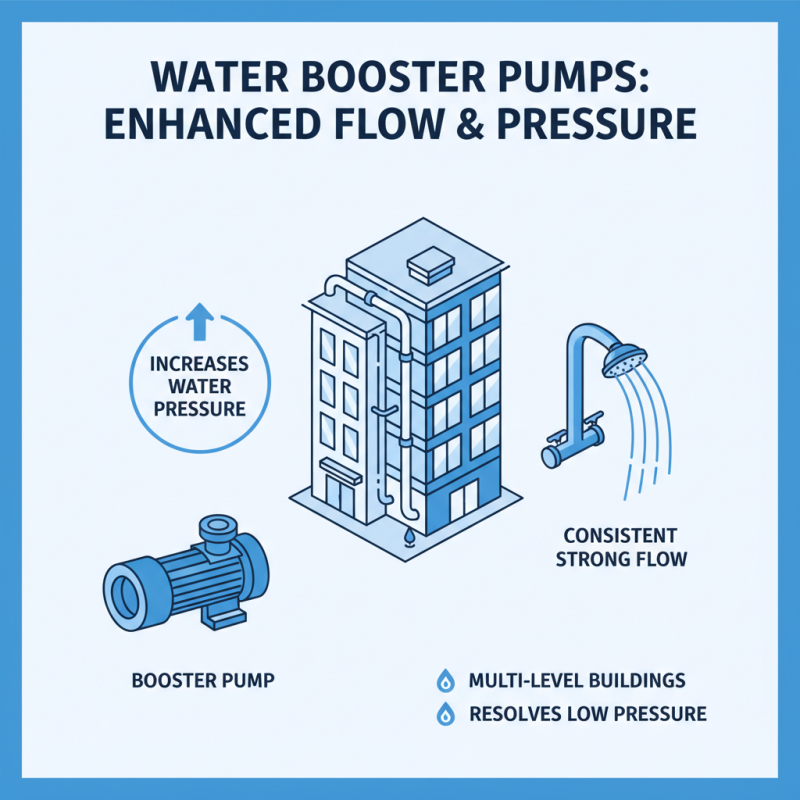
Water booster pumps play a vital role in enhancing water flow in many plumbing systems. These pumps are installed to increase water pressure, especially in buildings with multiple levels. A well-functioning booster pump ensures that every faucet and showerhead delivers a strong, consistent stream. Inadequate water pressure can lead to frustration and inefficiency.
Many factors can affect the performance of a booster pump. For instance, the size and layout of the plumbing can create pressure discrepancies. Sometimes, homeowners overlook proper maintenance, which can lead to costly repairs. Regular checks and servicing are crucial for optimal function. Additionally, understanding the delivery volume and pressure required for specific applications is essential.
Efficiency is a key concern in modern plumbing systems. Choosing the right pump is not always straightforward. Sometimes, users select models based on price rather than compatibility or efficiency. This can lead to issues down the line. Making informed choices about technology and installation can prevent future problems. Awareness of how these systems work contributes to better decisions.
When selecting water booster pump systems, evaluating key features is crucial. Flow rate is a primary consideration. It indicates how much water can be delivered over time. A higher flow rate means more efficient performance. However, it’s essential to balance flow rate with actual needs. Too much flow can lead to waste.
Pressure is another vital feature. It determines how forcefully water moves through pipes. Adequate pressure ensures smooth water access in all areas. A low-pressure system can lead to frustrations in daily usage. Monitoring pressure levels can avoid many headaches.
Tips: Regularly check your system's pressure gauge. It can tell you if adjustments are necessary. Also, consider energy efficiency ratings. Systems that conserve energy save money in the long run. Look for pumps that have good reviews regarding their efficiency. It might affect performance over time, and you want a reliable system.
Ultimately, finding the right balance between flow rate, pressure, and energy efficiency requires careful thought. Don’t rush the decision. Make sure the option you choose aligns with your unique requirements.
This bar chart compares the flow rates, pressure, and energy efficiency ratings of the top 5 water booster pump systems. Each metric is essential for evaluating the overall performance and suitability of the systems for various applications.
When selecting a water booster pump system, performance is key. A comparative analysis of industry leaders shows significant differences in efficiency ratings. Recent studies indicate that top-performing models achieve energy savings of up to 30%. This is crucial, especially for commercial applications where operational costs can spiral.
Noise levels are another concern. Many users report dissatisfaction with the louder models, often exceeding 70 dB. Quiet operation is essential for residential settings. A balanced system should operate at sub-60 dB for optimal comfort.
Pricing varies widely, and affordable options often compromise quality. Maintenance is also a factor. Some systems require frequent servicing, leading to higher long-term costs. A design that allows easier access for repairs can save time and money. Inconsistent performance across brands highlights the importance of thorough research before making a choice. While some systems offer great specs, real-world performance may vary.
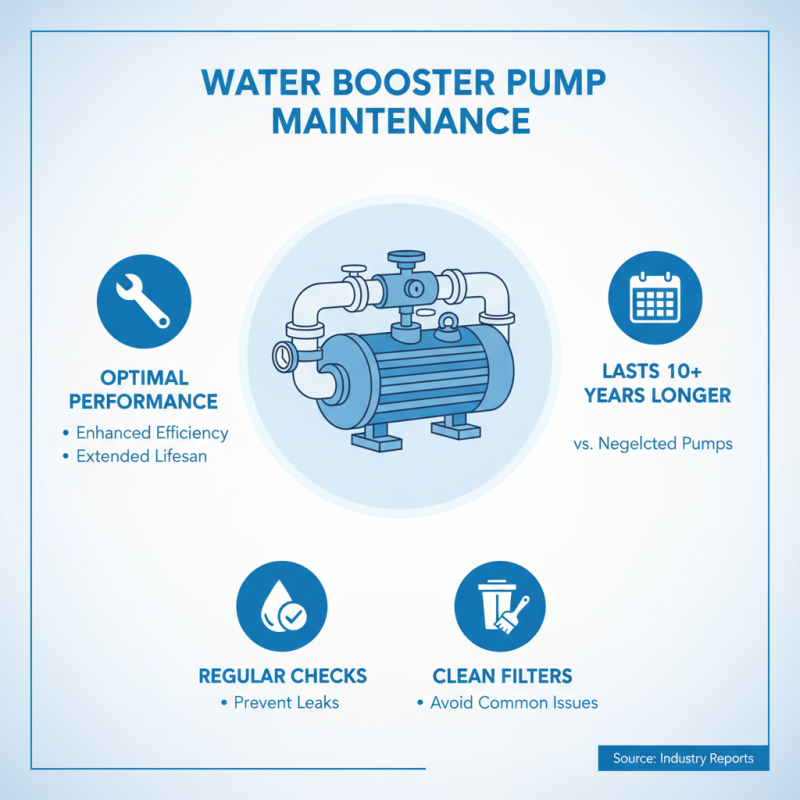
Maintaining water booster pumps is crucial for optimal performance. Regular maintenance can enhance efficiency and extend lifespan significantly. According to industry reports, well-maintained pumps can last up to 10 years longer than neglected ones. Checking for leaks and cleaning filters regularly can prevent many common issues.
Temperature and pressure are important factors. A pump running at higher temperatures can become less efficient and wear out quicker. Monitoring these levels can make a big difference. Maps of flow rates also show that fluctuations can lead to mechanical wear over time. Replacement of worn-out parts should not be neglected.
Pump systems often face common problems, yet they can be avoided. Failure to maintain seals can lead to leaks, which are often overlooked. Simple checks on these components could save businesses significant costs. Furthermore, keeping electrical connections clean is essential for reliability. Regularly reviewing maintenance logs can assist in identifying patterns, which may indicate deeper issues.
sale@harbertpump.com,
sale@harbertpump.com