In the rapidly evolving construction and manufacturing sectors, the role of a reliable Steel H Beam Supplier becomes critical. The global demand for steel has surged in recent years. According to the World Steel Association, global steel demand is expected to reach 1.9 billion tons by 2026. This increase highlights the need for top-tier suppliers who can meet diverse project specifications.
Industry expert John Smith, a leading analyst at Steel Insights, emphasizes, “The quality and reliability of steel H beams are essential for structural integrity.” His insights underscore the importance of partnering with suppliers who prioritize quality and adhere to international standards. In a market filled with varying options, choosing the right supplier can be daunting but is essential for project success.
However, the landscape is not without challenges. Supply chain disruptions, fluctuating prices, and varying quality levels can complicate procurement. A prudent buyer must critically evaluate suppliers and their past performance. The stakes are high, as inadequate materials can lead to project delays and increased costs. Therefore, understanding the market and choosing a dependable Steel H Beam Supplier is crucial for any construction initiative.
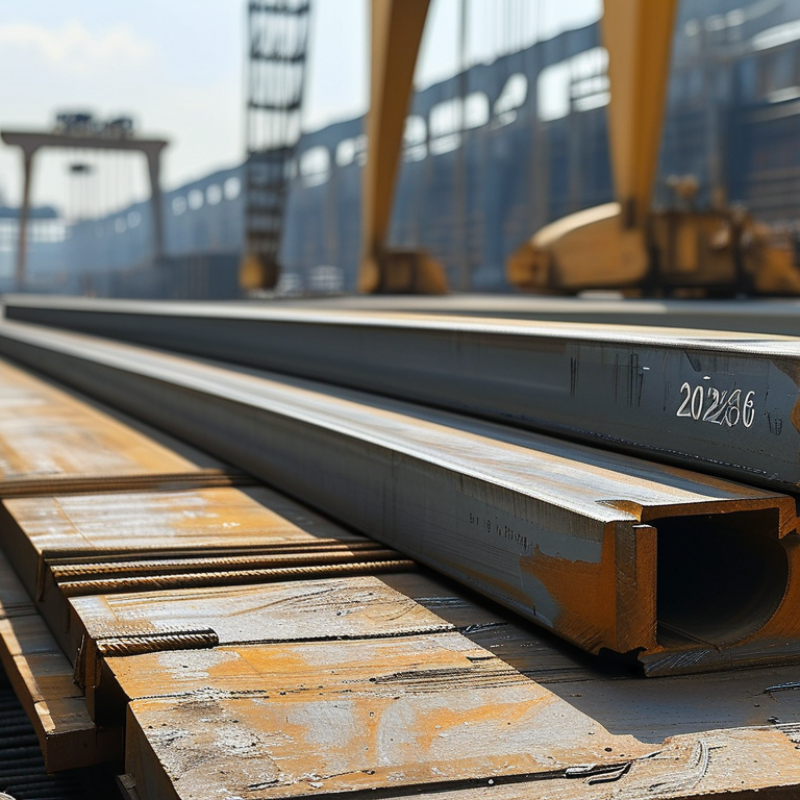
Steel H beams are crucial in modern construction. They provide the necessary strength and stability for various structures. These beams are designed not only for support but also for flexibility in design. Their shape allows for effective load distribution, making them ideal for skyscrapers, bridges, and industrial buildings.
In addition to their structural benefits, steel H beams are cost-effective. Their fabrication process can be streamlined, resulting in reduced overall project costs. However, challenges exist. Sourcing quality steel and ensuring proper installation can be difficult. It's essential to work with experienced suppliers who understand material specifications and industry standards.
Construction projects often require a careful balance of performance and economics. While steel H beams are strong, they also need proper treatment to prevent corrosion. The importance of regular inspections and maintenance should not be overlooked. Ensuring the longevity of structures involves a commitment to quality materials and practices.
When choosing a reliable steel H beam supplier, several criteria play a key role. Quality is paramount. Look for suppliers with stringent quality control processes. This ensures that products meet international standards. Assess their certifications and past project portfolios. A strong track record indicates dependability and expertise.
Communication is critical. A supplier should be approachable and responsive. Good suppliers understand your needs and provide timely updates. This level of engagement can help mitigate risks and address issues proactively. Delays in communication can lead to misunderstandings or project setbacks.
Consider the supplier's production capacity. They should be able to meet your demand in a timely manner. It's vital to check their lead times and flexibility. A dependable supplier can adjust to your project's changing needs.
When evaluating suppliers, visit their facilities if possible. This allows you to observe their operations first-hand. Understanding their manufacturing processes can offer insights into their reliability and quality standards. Relying solely on online reviews may not provide a complete picture. Evaluating physical presence adds another layer of assurance.
Choosing the right supplier is a process filled with uncertainty. Take time to analyze different options thoroughly. Learning from previous experiences, whether positive or negative, can guide your decision-making effectively. Always keep in mind that a reliable partner is essential for successful projects.
In the evolving landscape of the steel market, H beams have carved out a crucial niche. Global buyers are increasingly seeking reliable suppliers that can assure quality and sustainability. Established leaders often dominate this sector, leveraging years of experience to build trust. However, emerging players are beginning to challenge the status quo, introducing innovative practices and competitive pricing.
Suppliers vary in scale, capabilities, and expertise. Some focus on large volumes, while others specialize in custom solutions. Buyers need to evaluate not only product quality but also service reliability and delivery timelines. Transparency in sourcing and manufacturing processes is becoming a key factor in supplier selection.
Despite these dynamics, challenges remain. Not every supplier can consistently meet demand fluctuations. Some may react slowly to market changes, which can frustrate buyers. It's important for global buyers to conduct thorough research and establish strong partnerships with suppliers, ensuring alignment in values and operational practices. This approach can foster stability and resilience in an unpredictable market.
Evaluating the quality of steel H beam suppliers is crucial for global buyers. Certifications and standards serve as benchmarks. They reflect the reliability of manufacturing processes. Buyers should look for suppliers with recognized quality certifications. ISO 9001 is often a minimum requirement. This standard ensures consistent quality management.
Another important aspect is adherence to industry-specific standards. These may include ASTM or EN standards for specific dimensions and properties. Compliance with these standards assures buyers of the material's strength and durability. However, not all suppliers might meet these benchmarks. The complexity of the certifications can lead to confusion.
A supplier's history can also provide insights into their reliability. Reviews, ratings, and past project success contribute to their reputation. Potential buyers must thoroughly research. They should not settle for the first option that appears reliable. In an ever-evolving industry like steel manufacturing, ongoing assessment and vigilance are essential. This ensures that the chosen supplier not only meets current needs but also adapts to future challenges.
| Supplier Country | Quality Certifications | Production Capacity (tons/year) | ISO Standards | Product Range |
|---|---|---|---|---|
| China | ISO 9001, CE | 500,000 | ISO 9001:2015 | Standard H Beams, Customized Beams |
| Japan | JIS, ISO 14001 | 300,000 | ISO 9001:2015 | Structural Beams, Special Grades |
| Germany | EN 1090, ISO 50001 | 400,000 | ISO 9001:2015 | H Beams, I Beams, Custom Solutions |
| India | ISO 9001, BIS Standards | 350,000 | ISO 9001:2015 | Standard H Beams, Heavy Beams |
| South Korea | KS, ISO 14001 | 600,000 | ISO 9001:2015 | Structural Beams, Custom Sizes |
The steel H beam market is evolving rapidly. As we approach 2026, understanding future trends in supply and demand is crucial. Several factors are reshaping this landscape. For instance, increased construction projects globally drive demand. Urbanization and infrastructure development are key players in this trend.
On the supply side, sustainability is gaining importance. Many suppliers are investing in green technologies. They aim to reduce carbon footprints and enhance efficiency. This shift reflects a growing awareness of environmental responsibility among stakeholders. However, the transition can be challenging. Some suppliers may not have the resources to adapt quickly.
Additionally, geopolitical factors influence supply chains. Trade policies and tariffs can create volatility. Buyers must stay informed about these dynamics. The need for strategic partnerships also arises. Collaborating with reliable suppliers may help mitigate risks. As the market changes, both buyers and suppliers must remain agile and prepared for fluctuations.
sale@harbertpump.com,
sale@harbertpump.com