Top 10 Benefits of 11kv 630a Vacuum Circuit Breaker for Buyers?
In the world of electrical distribution, the "11kv 630a Vacuum Circuit Breaker" stands as a pivotal component. Experts like Dr. Richard Morgan, a renowned electrical engineer, emphasizes its significance by stating, "This technology revolutionizes safety and efficiency in power systems."
The "11kv 630a Vacuum Circuit Breaker" offers numerous advantages that can greatly benefit buyers. These breakers not only ensure reliability but also provide superior performance under challenging conditions. Buyers can expect reduced maintenance costs due to the vacuum technology, which minimizes wear and tear.
Moreover, the compact design of the "11kv 630a Vacuum Circuit Breaker" makes it ideal for both urban and industrial settings. Increased operational safety is another critical benefit, as these breakers can handle fault conditions effectively. As buyers consider this investment, understanding real-world applications and expert insights is essential. Balancing innovation with practicality, the benefits of this technology prompt important reflection on future industry standards.
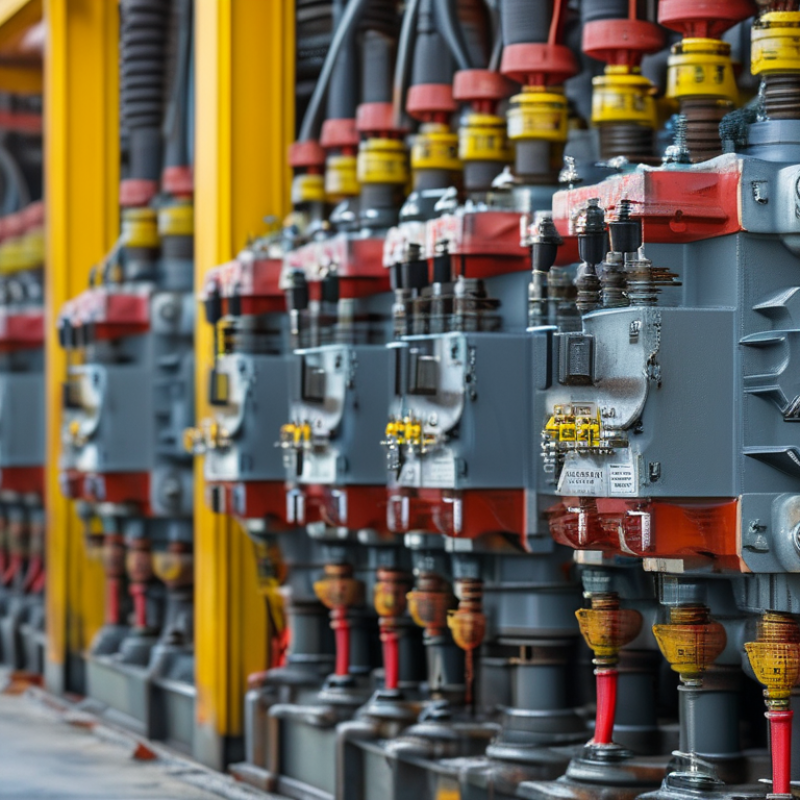
Top Advantages of 11kV 630A Vacuum Circuit Breakers for Industrial Applications
In industrial settings, the 11kV 630A vacuum circuit breaker stands out for its efficiency. One major advantage is its compact design. This unit takes up less space compared to traditional circuit breakers. It is ideal for installations where space is limited.
Another key benefit is its low maintenance requirement. Vacuum circuit breakers have fewer moving parts. This reduces the chances of mechanical failure. Operators can save on maintenance costs over time.
Tips: Regularly inspect the circuit breaker’s environment. Dust and moisture can affect performance. Keep the area clean to ensure optimal operation.
Vacuum circuit breakers are also known for their quick operation. They can interrupt fault currents almost instantly. This swift reaction ensures the safety of equipment and personnel.
However, some users may overlook the need for proper training. Without adequate knowledge, users may not maximize the breaker's potential. Training can significantly improve reliability and functionality in industrial applications.
Top 10 Benefits of 11kv 630a Vacuum Circuit Breaker for Buyers
| Benefit | Description |
| High Reliability | Offers a consistent performance with minimal maintenance needed. |
| Compact Design | Space-efficient design suited for various industrial environments. |
| Environmentally Friendly | Utilizes clean technology with no greenhouse gas emissions. |
| Fast Switch Operations | Provides quick interruption and restoration of power. |
| Low Maintenance Costs | Reduces operational expenses due to lower servicing needs. |
| Improved Safety | Minimizes risks of electrical hazards in industrial settings. |
| Versatile Applications | Suitable for various sectors including manufacturing and utilities. |
| Enhanced Performance | Delivers superior fault interruption and load handling capabilities. |
| Lower Operating Voltage | Operates effectively at lower voltages, improving overall efficiency. |
| Improved Power Quality | Enhances power factor and reduces harmonic distortion. |
Efficiency and Reliability: How 11kV 630A Circuit Breakers Enhance Performance
The efficiency and reliability of 11kV 630A vacuum circuit breakers significantly enhance performance in electrical systems. These breakers are essential for managing high voltage operations, making them crucial in industrial applications. A report by the International Electrotechnical Commission indicates that vacuum circuit breakers can minimize operational downtime by up to 30%. This efficiency stems from their quick response times during fault conditions.
One of the key advantages lies in their maintenance requirements. While traditional circuit breakers often require regular servicing, vacuum circuit breakers can function for extended periods without significant upkeep. However, some users report occasional issues with insulation aging, highlighting the need for periodic inspections. According to a study by the Electrical Research and Development Association, fault detection capabilities in these breakers can reduce maintenance costs by approximately 20%.
Their compact design is another significant benefit. A smaller footprint allows for easier installation and integration into existing systems. However, this size can lead to challenges in heat dissipation, potentially affecting long-term reliability. Performance assessments indicate a potential drop in efficiency if operating conditions are not monitored closely. Hence, a careful approach is essential when implementing these systems.
Safety Features of Vacuum Circuit Breakers in High-Voltage Environments
Vacuum circuit breakers (VCBs) play a vital role in high-voltage environments. Their safety features significantly enhance electrical system reliability. For instance, VCBs can interrupt high fault currents without generating arc flashes. This reduces the risk of fire hazards and equipment damage. Additionally, the sealed chamber prevents contamination, ensuring consistent performance over time.
One standout feature is their quick response time. VCBs can react to faults within milliseconds, mitigating risk. This rapid action helps prevent extensive damage to electrical systems. However, installation and maintenance require skilled personnel. Improper handling may lead to failures or safety risks. Regular inspections are crucial to maintain safety standards.
Understanding the potential drawbacks is essential. High-voltage applications can become complicated with additional equipment. Buyers must weigh the benefits against installation costs. Proper training for personnel is imperative. While the advantages of VCBs are notable, users should remain vigilant about their limitations and operational needs.
Cost-Effectiveness: Long-Term Savings with 11kV 630A Circuit Breakers
The 11kV 630A vacuum circuit breaker offers significant cost-effectiveness for various applications. By minimizing maintenance needs, it reduces long-term operational costs. Traditional circuit breakers often require frequent inspections and repairs, adding hidden expenses. In contrast, the vacuum technology used in these circuit breakers ensures durability and reliability, saving money over time.
Investing in 11kV 630A circuit breakers also means lower energy consumption. Their efficient design leads to reduced losses in the electrical system. This efficiency translates into savings on energy bills. For many organizations, this improvement in energy management can be a game-changer. However, choosing the right system can be daunting. Not all installations suit this type of breaker, and assessing compatibility is crucial.
Furthermore, the potential for system failures exists, even with superior technology. Users must consider installation quality and environmental factors. Regular training for personnel can mitigate risks. Understanding the system and using it correctly is essential for maximizing benefits. It is important to weigh these factors against the expected savings and reliability. A thoughtful approach leads to better decision-making in the long run.
Cost-Effectiveness: Long-Term Savings with 11kV 630A Circuit Breakers
Environmental Impact: Vacuum Technology and Eco-Friendly Solutions
Vacuum circuit breakers are gaining traction for their environmentally friendly design. With rising global environmental concerns, vacuum technology offers a sustainable alternative. These circuit breakers utilize a vacuum to extinguish arcs, leading to minimal greenhouse gas emissions. According to reports by the International Energy Agency, adopting such technologies can significantly reduce carbon footprints in power distribution systems.
One major benefit is the lack of insulating oil. Traditional breakers often rely on oil, which poses environmental risks if leaks occur. Vacuum circuit breakers, in contrast, eliminate this hazard. This technology is also much quieter, minimizing noise pollution in urban and suburban areas.
Tip: Consider the lifecycle assessment of electrical equipment. Always inquire about the materials used and their potential impact on the environment.
Another aspect for buyers is the reduced maintenance needs. Vacuum breakers generally require less frequent maintenance than traditional models. This translates to fewer service trips and less disruption. However, it's essential to ensure proper installation. Mistakes in setup can lead to performance issues.
Tip: Always work with
certified professionals during installation. Their expertise can prevent costly errors.
Moreover, the technology's compact design enhances space efficiency. This factor is crucial in urban settings where real estate is limited. Yet, some users express concerns regarding the initial investment costs. While vacuum circuit breakers may have a higher upfront price, the long-term savings often outweigh these initial expenses.