Choosing the right suction pump is crucial for various applications. Whether it's for industrial use or simple household tasks, understanding your needs is key. The market offers a plethora of options, each boasting unique features.
Many buyers struggle with decision-making due to this overwhelming variety. It's essential to have reliable information when selecting a suction pump. Factors such as capacity, power, and material play significant roles in performance. Reviews and expert opinions can provide valuable insights into which models are worth considering.
This buying guide aims to equip global buyers with essential knowledge. However, navigating through specifications might induce confusion. Identify the core requirements first, and remember that not all pumps are created equal. Always question the reliability of the brand and the warranty offered. A well-informed decision can lead to satisfaction and success in your projects.
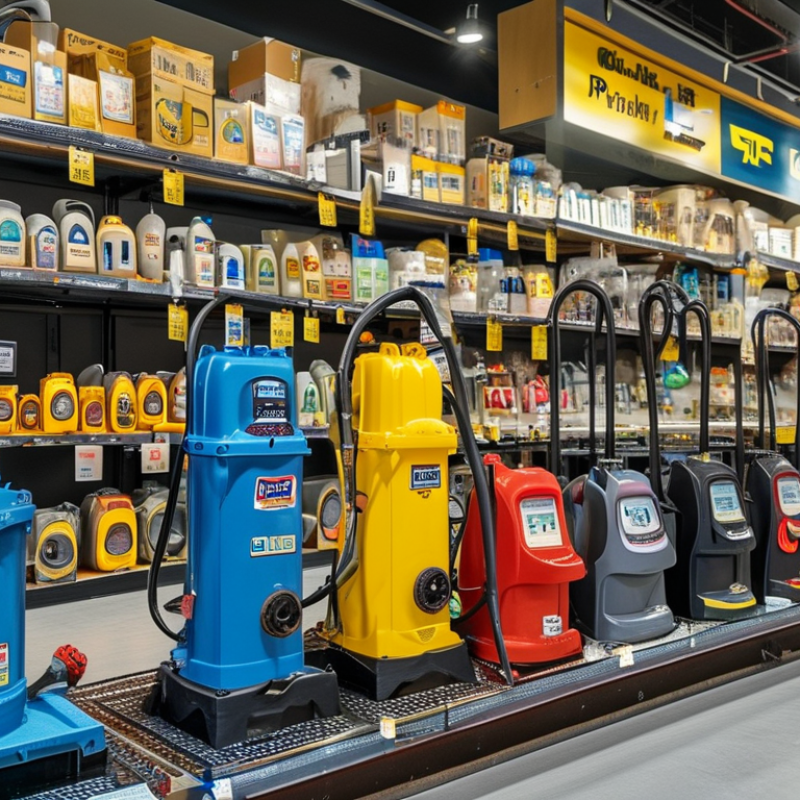
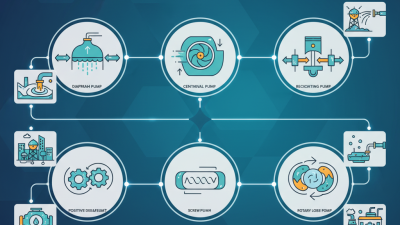
Suction pumps are essential in various industries, from medical to agricultural sectors. Understanding their types and mechanisms can help users make informed choices. There are two main types of suction pumps: positive displacement and centrifugal. Positive displacement pumps work by trapping a fixed amount of fluid and forcing it into the discharge. This method is effective for thick fluids or those with larger particles. On the other hand, centrifugal pumps use a rotating impeller to create a vacuum that pulls the fluid. These pumps are more suitable for low-viscosity fluids.
When selecting a suction pump, consider its application. Not all pumps fit every task. Some pumps may handle specific materials well but struggle with others. Pressure capacity and flow rate are two significant factors to examine. Wear and tear can occur with frequent use, affecting efficiency. Maintenance is also crucial; ignoring it can lead to unexpected breakdowns and costly repairs. Experience shows that understanding the pump’s mechanism plays a vital role in its performance. A well-chosen pump can save time and effort in the long run, while a poor choice may result in frustration. The journey to finding the right suction pump requires careful consideration and research.
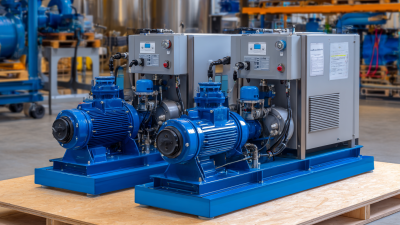
When purchasing a suction pump, it’s crucial to understand key factors that impact performance and efficiency. Flow rate is one important aspect. Industry reports indicate that a higher flow rate can improve productivity in applications like wastewater management. A pump with an adjustable flow rate offers greater flexibility, enabling it to adapt to varying operational needs.
Next, consider the pump's material and construction. Materials such as stainless steel or high-grade plastics can enhance durability and resistance to corrosion. According to data from the Pump Industry Analysis, approximately 40% of pump failures are linked to material degradation. Additionally, ensuring the pump can handle the specific viscosity and chemical nature of the fluids involved is vital.
Another critical factor is maintenance ease. Regular maintenance can extend a pump’s lifespan significantly. A survey by the International Pump Users Association revealed that around 30% of pumps fail due to inadequate maintenance. Reflecting on these factors can lead to a more informed purchasing decision, ultimately optimizing your system's efficiency. Always weigh the benefits against potential shortcomings while considering your specific application needs.
This chart presents the top factors to consider when buying a suction pump based on customer feedback and industry analysis. The key aspects evaluated include Performance, Durability, Ease of Use, Maintenance Requirements, Price, Brand Reputation, Customer Support, Energy Efficiency, Size and Portability, and Warranty.
When considering suction pumps for various applications, understanding the top brands and manufacturers is crucial. Reliable manufacturers often have extensive experience in the field. They focus on quality, efficiency, and durability. Many of these brands invest in research and development. This innovation leads to enhanced performance of their products. Manufacturers with a solid reputation typically offer warranties, showing their confidence in the product's lifespan.
Additionally, there are numerous regional players in the suction pump market. These manufacturers cater to local demands and often have a deep understanding of specific requirements. This can be beneficial for buyers seeking customization. However, not all brands maintain consistent quality. Conducting thorough research on the brand’s history and achievements can help identify the truly reliable ones. Water and chemical handling capabilities may differ widely among manufacturers. Buyers should keep this variability in mind during the purchasing process.
Ultimately, buyers should also be aware that market dynamics can shift. New technologies and innovative solutions might impact existing manufacturers. Staying updated on industry trends is vital for informed decisions. Relying solely on established brands may not always yield the best outcomes. Mixing in newer brands with fresh ideas could offer unique advantages.
Maintaining suction pumps is crucial for ensuring longevity and optimal performance. Regular maintenance can significantly extend the service life of these devices. According to a 2023 industry report, proper maintenance can increase the lifespan of a suction pump by up to 40%. Simple practices like checking the fluid level and inspecting hoses can prevent minor issues from becoming major repairs.
Pay attention to the seals and gaskets, which are critical for proper function. It has been noted that a failure in these components can lead to vacuum loss and reduced performance. Replacing worn parts promptly can save costs in the long run. Keeping the pump clean also helps. Dust and debris can interfere with operation, leading to inefficiencies.
Many operators overlook the importance of regular inspection schedules. Without this, small leaks or wear can go unnoticed. Check the pump's operating conditions frequently. Maintaining the correct temperature and pressure is vital; deviations can cause premature wear. Committed owners should also document maintenance activities. This habit creates a reliable history of the pump's condition, enabling better decision-making for future repairs.
Suction pumps serve various applications, from industrial to residential use. Understanding the differences can guide buyers toward the right pump. For instance, a diaphragm pump is beneficial for handling viscous fluids. In contrast, centrifugal pumps excel at moving larger volumes of clean water. Each type has specific advantages based on the application.
Choosing the right pump involves assessing the medium you’ll be working with. For example, abrasive materials require durable pumps designed for heavy-duty use. Always consider the pump's flow rate and pressure capabilities. These specifications directly impact efficiency and suitability for your needs.
One common oversight is ignoring maintenance requirements. A well-maintained pump functions better and lasts longer. Reflect on your operational needs and frequency of use. In many cases, frequent maintenance checks can save costs in the long run. When selecting a pump, seek expert guidance for a reliable choice tailored to your specific application.
sale@harbertpump.com,
sale@harbertpump.com