When it comes to ensuring a steady water supply in your home, understanding the role of a residential water booster pump is crucial. As plumbing expert John Smith states, "A residential water booster pump can make all the difference in providing consistent water pressure." Whether you're facing low water pressure or need to enhance your system, these pumps can be a game changer.
A residential water booster pump not only improves flow rates but also enhances the overall efficiency of your plumbing. Homeowners often underestimate the impact of proper water pressure on daily activities, from showering to washing dishes. Without adequate pressure, these tasks can become frustrating. Yet, many deal with this issue without realizing a feasible solution exists.
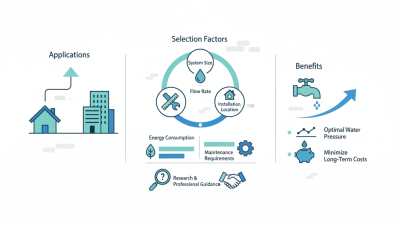
Choosing the right residential water booster pump requires a thoughtful approach. It's not simply about picking the most expensive model on the market. Factors such as flow rate, size, and energy efficiency all matter. Some homeowners may find themselves overwhelmed by the options, making it essential to research and reflect on specific needs before making a purchase. Investing time in understanding these pumps will ultimately lead to smarter decisions.
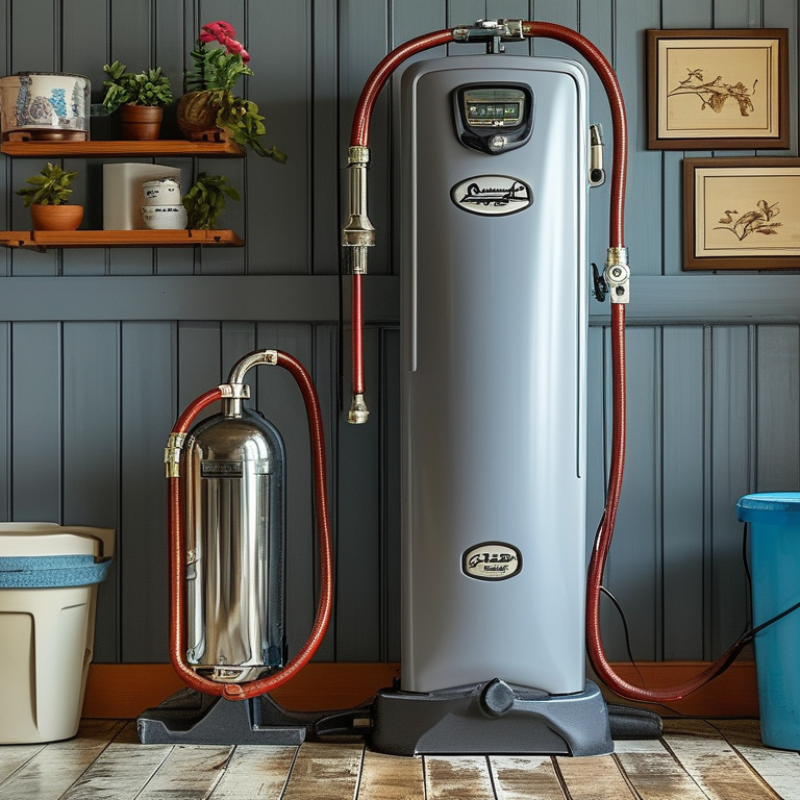
Understanding the importance of residential water booster pumps is crucial for homeowners. These pumps can significantly enhance water pressure throughout the home. Many older houses experience low water pressure, making daily tasks frustrating. A water booster pump can provide a simple solution, ensuring that showers and faucets deliver the desired flow.
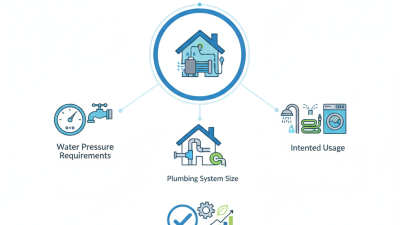
When selecting a booster pump, it's essential to consider your specific needs. The size of your home and the number of occupants play vital roles. For instance, a larger household may require a more powerful pump to meet increased water demand. Additionally, not all pumps are created equal. Some may lack efficiency, leading to higher energy bills. It’s wise to invest time in researching reliable options that demonstrate durability.
Even with a quality booster pump, homeowners should be aware of potential installation challenges. Improper installation can lead to noise issues or decreased effectiveness. It’s advisable to consult with professionals who can provide expertise in this area. Remember, water pressure is not just about comfort; it's crucial for maintaining plumbing infrastructure. Ensuring your system operates effectively can prevent costly repairs in the long run.
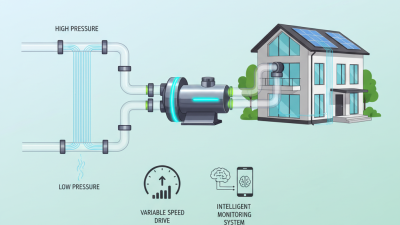
When selecting a water booster pump, understanding your specific water pressure needs is crucial. According to a report by the American Society of Plumbing Engineers, low water pressure affects nearly 30% of households. This can lead to poor appliance performance and inconvenience. A good booster pump should increase water pressure efficiently, providing consistent flow throughout your home. Look for models that have adjustable pressure settings to cater to various demands.
Another key feature to consider is the pump's energy efficiency. An efficient water booster pump can save homeowners up to 30% on energy costs, based on data from the Department of Energy. Pump noise levels also matter. Noisy pumps can disrupt household peace. Aim for models with noise-reducing features for a quieter operation.
Tips: Consider the longevity of materials used in the pump. Stainless steel components often last longer than plastic ones. Ensure the pump has a warranty for extra protection. Regular maintenance can prevent costly repairs. Check for a model that offers easy access to parts for servicing.
This chart compares the performance of various residential water booster pumps based on their flow rates (GPM) and pressure increases (PSI). Understanding these metrics helps homeowners select the most suitable pump for their water supply needs.
Choosing the right water booster pump for your home requires a solid understanding of the available types. There are generally two types: centrifugal and positive displacement pumps. Centrifugal pumps are ideal for boosting water pressure in large households. They are efficient and commonly used, but they may struggle with very low water flow rates. On the other hand, positive displacement pumps are better for consistent water flow at high pressures. They can be noisy but work well in tight spaces or when high pressure is consistently needed.
Tips for selecting a pump include assessing your home’s current water pressure. If your pressure is below 40 PSI, consider a booster pump. It’s also crucial to evaluate your home’s water demand. More bathrooms or appliances may require a more robust pump. Don’t forget to look into the installation process. Some models can be installed by homeowners, while others may need professional help. Always read user reviews for insights on reliability and performance, even if the product has a well-known reputation.
When exploring options, keep in mind the pump’s water flow rate. It’s essential to ensure compatibility with your existing system. This aspect can affect efficiency and longevity. Some homeowners overlook this; doing proper research can save time and money in the long run. Evaluate your needs closely, as the wrong choice may lead to regrets down the road.
| Type of Pump | Ideal For | Pressure Increase (PSI) | Flow Rate (GPM) | Power Source |
|---|---|---|---|---|
| Centrifugal Pump | Whole House | 30-50 | 3-12 | Electric |
| Booster Pump | High Demand Fixtures | 20-30 | 2-8 | Electric |
| Variable Speed Pump | Efficiency Seekers | 30-60 | 5-15 | Electric |
| Submersible Pump | Deep Wells | 40-70 | 4-12 | Electric |
Installing a residential water booster pump can enhance your home's water pressure significantly. To ensure optimal performance, correct installation is crucial. Start by positioning the pump close to the water source. This reduces suction losses and maximizes efficiency. Consider the elevation difference between the pump and the top water outlet. A lower location often results in better performance. Always follow the manufacturer's guidelines for any specific instructions unique to your pump model.
For effective operation, secure all connections tightly. Leaks can lead to decreased pressure and wasted energy. Check the electrical connections as well. An unreliable power source can hinder performance. It's also important to install a pressure gauge to monitor the system. If you notice fluctuating pressure levels, it may indicate an issue. Regular maintenance checks are essential. Clean filters and inspect hoses periodically. Ensure no buildup obstructs water flow.
Lastly, adjust the settings once installed. Fine-tuning may be needed for optimal pressure. It’s normal to face challenges during the installation process. Revisiting the steps or seeking professional help can yield better results. Trust your instincts; don’t hesitate to make changes if something doesn’t feel right. Each home is unique, and adjustments may lead to improved outcomes.
Water booster pumps are essential for enhancing water pressure in residential areas. Regular maintenance can significantly extend their lifespan. A few simple practices can keep your pump running efficiently.
Start by checking the pump’s filter regularly. If it's clogged, water flow will reduce. Clean or replace the filter as needed. Listen for unusual noises during operation. Strange sounds can indicate internal issues. Addressing these problems early can prevent major repairs.
Ensure that the wiring and electrical components are in good condition. Inspect for any wear or damage. Schedule routine inspections, ideally twice a year. It’s also beneficial to monitor the pressure settings. Incorrect settings can lead to inefficient performance. Keeping an eye on these details can lead to a more reliable water supply and fewer unexpected breakdowns.
sale@harbertpump.com,
sale@harbertpump.com