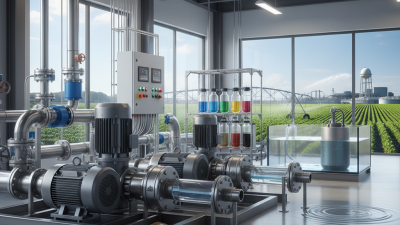
Choosing the right sewage pumps is crucial for managing wastewater effectively. Many people face challenges in selecting the appropriate unit for their needs. With so many options available, the decision can be overwhelming. Each pump serves different purposes, and understanding these nuances is essential.
When considering sewage pumps, be aware of specific features. Pay attention to flow rates, size, and power. You may find yourself drawn to flashy designs or brands. However, focus on functionality and reliability instead. A wrong choice can lead to costly repairs or flooding.
Take your time to research various models. Read reviews and compare specifications. Seek advice from professionals if necessary. Remember, the right sewage pump will make your life easier. A hasty decision can lead to regret and extra expenses later on. Reflect on your unique needs, and invest wisely in a sewage pump that fits them.
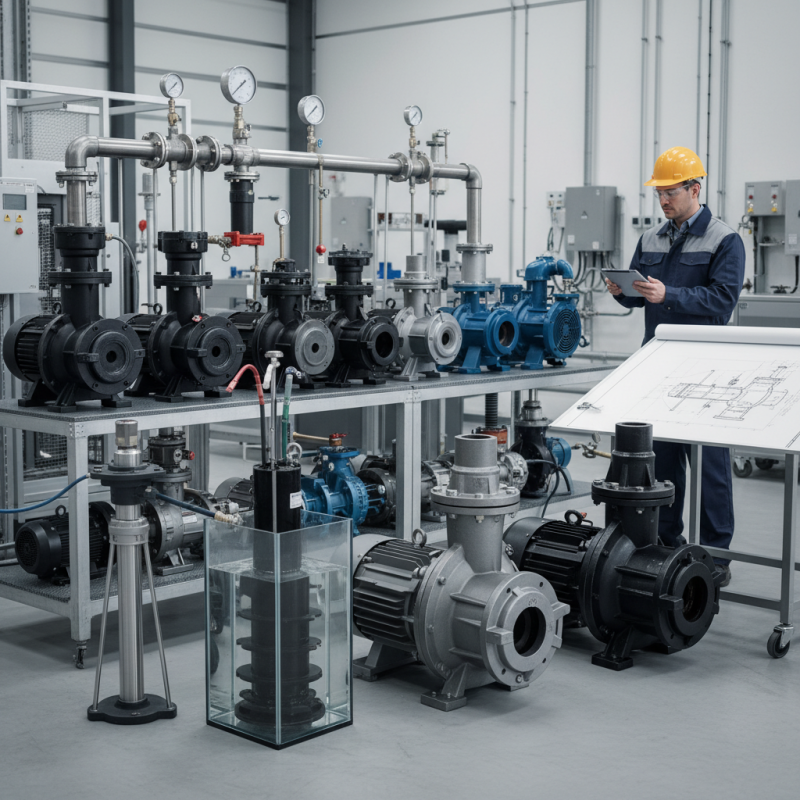
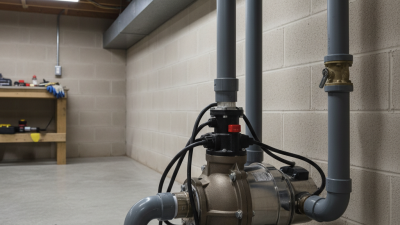
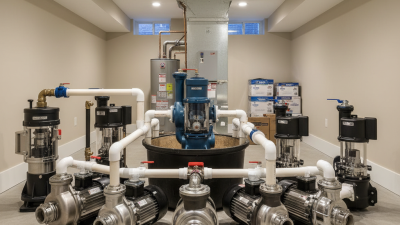
Choosing the right sewage pump is crucial for effective waste management. Understanding the types available can help you make informed decisions. There are submersible sewage pumps and solids handling pumps, each designed for specific tasks. Submersible pumps operate underwater, making them ideal for basements and pits. Solids handling pumps, on the other hand, can move larger debris.
When selecting a pump, consider its capacity. Look for a model that can handle the volume of waste you expect. Additionally, think about the pump's power source. Electric pumps are common, but gas-powered options exist for remote areas. Remember, the operational complexity can increase with different designs.
Another important tip is to assess the pump's durability. Check the materials used in construction. Corrosion-resistant components are beneficial, especially in harsh environments. Don’t overlook maintenance requirements. Some pumps may need regular servicing, which can add to your costs. Reflect on your environment and needs to choose wisely.
When selecting sewage pumps, understanding capacity and flow rate is crucial. Without a clear assessment, you might install a pump that cannot handle your needs. For instance, a typical residential sewage pump should manage a flow rate of at least 30 gallons per minute (GPM). This ensures efficient waste removal, especially during peak usage times.
Pumps are rated based on their capacity to move waste water. A pump's total dynamic head (TDH) adds complexity to this assessment. Reports show that improper head calculations can lead to pump failure. You wouldn't want to deal with a pump that operates below capacity, costing time and money on repairs.
Consider the frequency of use as well. Some systems may require a pump that runs frequently. If a pump can't accommodate that, it may wear out quickly. On the flip side, an oversized pump can lead to energy inefficiency. Balancing these factors takes some trial and error. Each installation offers unique challenges, highlighting the need for exactly the right specifications.
| Tip Number | Tip Description | Considerations | Recommended Capacity (GPM) | Flow Rate (GPH) |
|---|---|---|---|---|
| 1 | Identify your sewage requirements | Household size, wastewater output | 10-20 | 600-1200 |
| 2 | Assess the vertical lift needed | Distance from pump to discharge | 15-30 | 900-1800 |
| 3 | Check for solid handling capability | Type of solids in wastewater | 5-10 | 300-600 |
| 4 | Consider the pump material | Corrosion resistance, durability | 10-25 | 600-1500 |
| 5 | Evaluate energy efficiency | Power consumption vs. performance | 8-15 | 480-900 |
| 6 | Look for automatic activation | Float switches, control panels | 15-25 | 900-1500 |
| 7 | Determine the required power source | Electric vs. gasoline options | 20-30 | 1200-1800 |
| 8 | Read customer reviews and feedback | Understand user experiences | 15-20 | 900-1200 |
| 9 | Understand the warranty and support | Manufacturer support and longevity | 10-20 | 600-1200 |
| 10 | Compare prices among different options | Cost versus features | 15-25 | 900-1500 |
When selecting a sewage pump, the material and build quality play critical roles in ensuring durability. Most sewage pumps are made from cast iron or thermoplastics. Cast iron offers strength and resistance to wear. However, it can be prone to rust over time. Thermoplastics resist corrosion but may not withstand extreme temperatures as effectively. Balancing these materials is essential for long-term performance.
The pump's construction also matters. Look for reinforced housing and robust seals. These features help prevent leaks and extend the pump's life. If the seals fail, you could face costly repairs. Additionally, consider the weight of the pump. A heavier unit might indicate better quality but can be harder to install. Assess whether your installation area has enough space for larger models.
Pay attention to the pump's operational environment. If you’re using it in a harsh area, choose a pump that can handle abrasive materials. Many people overlook this detail, thinking all pumps are created equal. This oversight can lead to early pump failure. Make sure to study the specifications closely. Small choices today can save significant hassle later on.
When choosing the right sewage pumps, the installation process and space requirements are crucial. Assess your installation site carefully. Measure the available space. Ensure the pump fits comfortably. A cramped space can complicate maintenance later on. Consider accessibility. You want it easy to reach for repairs.
Tip: Check the pump's dimensions before buying. This step prevents future frustrations. Some areas might have pipes or wiring that interfere with the pump. A good fit saves hassle down the road.
Evaluate the installation process too. Some pumps are straightforward. Others may require more expertise. If you aren't familiar with plumbing, hiring a professional might be wise. Investigate whether you can manage it alone. Ensure you have the right tools. Sometimes, a simple installation can become challenging.
Tip: Seek advice from experienced users. They can provide insights into potential problems. Installation can also be affected by factors like drainage depth and soil type. These details matter a lot. A neglected detail can lead to failures later. Careful planning prevents costly fixes.
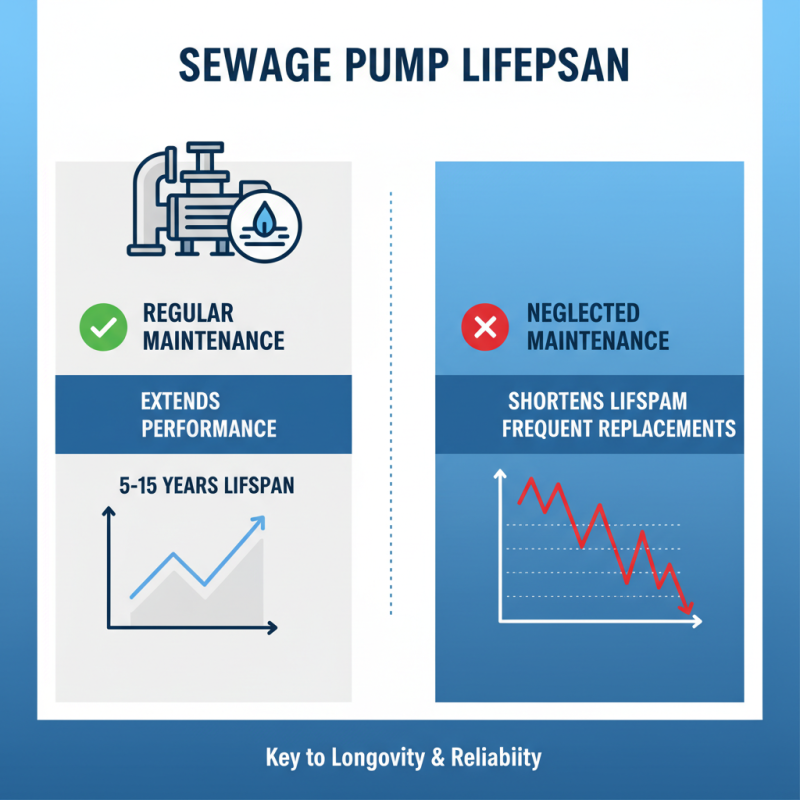
When considering sewage pumps, maintenance needs often determine their lifespan. Regular upkeep can extend the performance of these critical devices. Statistics show that a well-maintained sewage pump can last 5 to 15 years. Neglecting maintenance can drastically shorten their lifespan, potentially requiring replacements sooner than expected.
To enhance longevity, inspect the pump periodically. Look for signs of wear or unusual noises. Clean out the debris that could clog the impeller. Keeping the area around the pump clear of materials can prevent operational issues.
Tip: Know your pump's duty cycle. Different environments can stress pumps differently. For example, pumps in high-use residential areas may need more frequent checks. Monitoring electrical connections is also essential. Faulty wiring can lead to premature failures.
Another important aspect is fluid dynamics. Sewage pumps must handle various materials, from liquids to solids. Mismanagement of this can stress the pump. Choose a pump that aligns with your specific usage to avoid discomfort during high-demand times.
sale@harbertpump.com,
sale@harbertpump.com