When selecting water pump services, it can feel overwhelming. There are many options available. Each service may offer different solutions that suit various needs. Understanding your specific requirements is key to making the right choice.
Choosing the best water pump service involves evaluating several factors. First, consider the type of pump you need. The requirements vary based on location and intended use, whether for residential, commercial, or agricultural purposes. Additionally, look into the provider’s reputation. Reviews can provide insights. However, remember that not all reviews reflect the true quality of service.
Budget is also crucial. Some may offer lower prices with limited options. This might seem attractive at first but could lead to more costs later. Reflect on what you value most in these services. Efficiency, reliability, and maintenance support can make a significant difference. Finding the right balance can be challenging, but careful consideration can lead to a better decision.
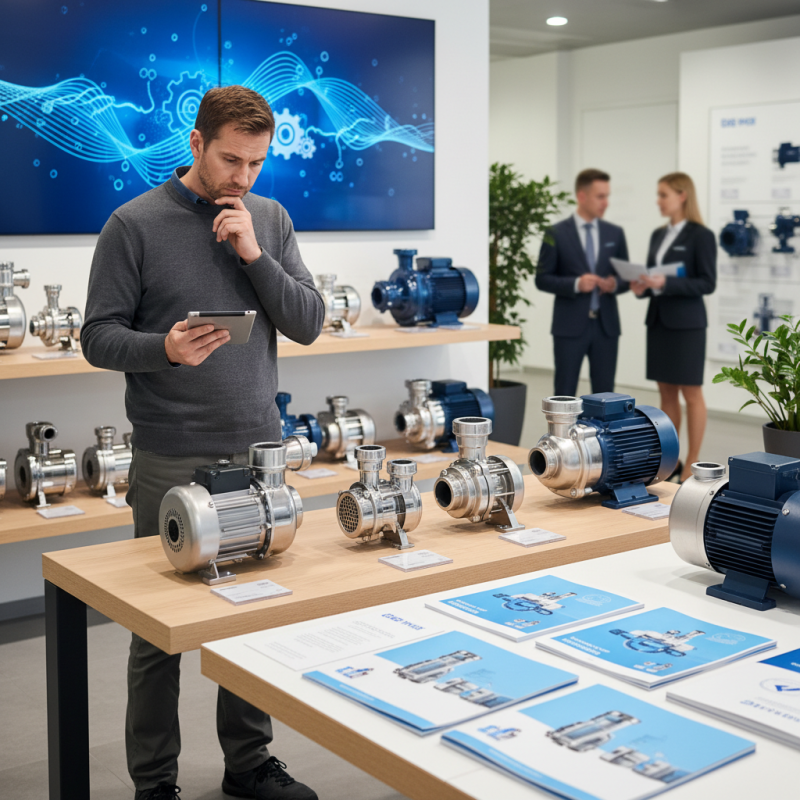
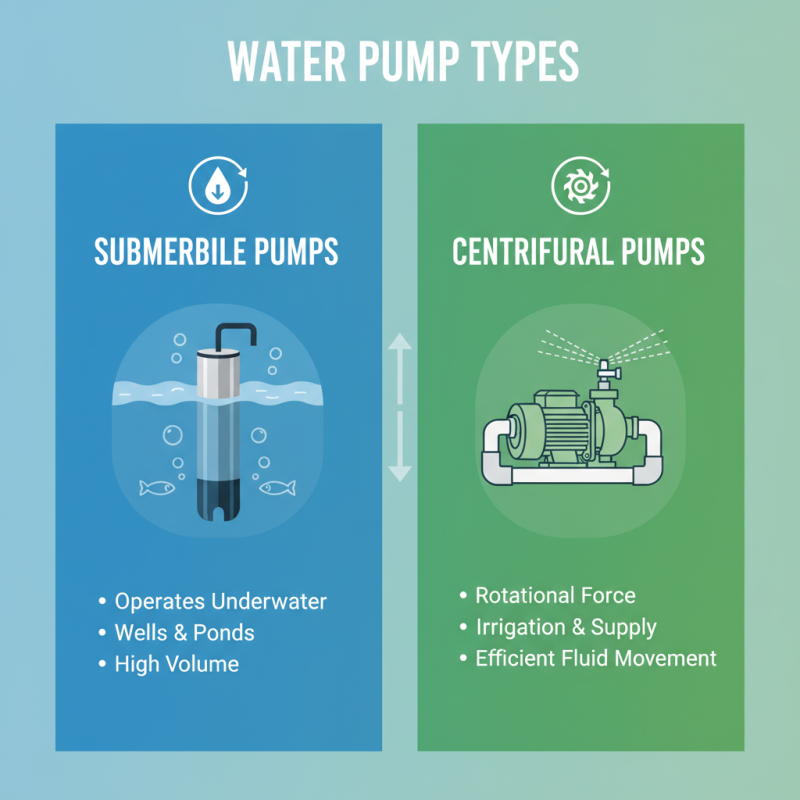
When selecting a water pump, understanding the different types is crucial. Various pumps serve unique purposes, from residential use to industrial applications. Submersible pumps are common in wells and ponds. They operate underwater and can handle large volumes. In contrast, centrifugal pumps are often used for irrigation and water supply. They rely on rotational force to move fluids efficiently.
Market research indicates that the global water pump market was valued at approximately $20 billion in 2022. It is projected to grow as infrastructure demands increase. However, knowing which pump to choose can be challenging. For instance, a centrifugal pump may not be ideal for high-viscosity fluids. Some users report issues with selecting the wrong pump for their specific needs.
Further, positive displacement pumps offer a different approach. They excel in high-pressure applications but may require more maintenance. Users should consider factors like flow rate and pressure when making their choice. The complexity of pump systems can lead to oversight. It is often beneficial to consult experts, especially in unique situations. Proper research and understanding can prevent costly mistakes.
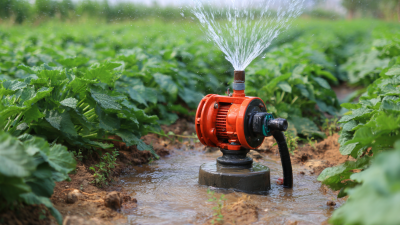
Choosing the right water pump services begins with understanding your specific needs. Consider the type of water pump you require. Are you handling irrigation, drainage, or another application? Each has unique demands. Take into account the flow rate and pressure. You want a pump that can efficiently move the required volume of water.
Tip: Assess your location. If the water source is far or if the terrain is uneven, it may impact the pump type needed. Some pumps perform better in specific conditions. Ask yourself how often you will use the pump. Frequent use might require a more durable option, while occasional use can allow for a less robust choice.
Evaluate your budget. Quality varies widely. Cheaper options may not last long, leading to more costs in the long run. Yet, a high price does not always guarantee quality. Read reviews if available. Remember, no one can provide a perfect solution for everyone. Seek advice but weigh it against your own needs. Test your options whenever possible.
When selecting a water pump service, reputation and experience are critical factors. Industry reports indicate that over 70% of customers prioritize these aspects when choosing a provider. A strong reputation often reflects consistent service quality and reliability. Look for online reviews and testimonials from previous clients. These insights can help you gauge a provider’s trustworthiness.
Evaluating experience is equally important. Companies with a long history in the industry likely understand common challenges. Studies show that experienced providers handle a variety of situations more effectively. They are familiar with different types of pumps and issues you may face. Visiting their website for case studies can offer further insight into their expertise.
Yet, not all well-reviewed providers are perfect. Some may have gaps in specific areas, like advanced technology or customer service. It's crucial to ask questions and clarify your needs. Schedule consultations to discuss your unique requirements. This approach allows you to assess their responsiveness and willingness to adapt. Remember, understanding their strengths and weaknesses can guide you in making the best decision.
| Service Provider | Years of Experience | Customer Ratings (out of 5) | Types of Services Offered | Availability |
|---|---|---|---|---|
| Provider A | 15 | 4.8 | Installation, Repair, Maintenance | 24/7 |
| Provider B | 10 | 4.5 | Repair, Sales | Weekdays Only |
| Provider C | 8 | 4.2 | Maintenance, Inspection | Weekends Available |
| Provider D | 20 | 4.9 | Installation, Repair, Sales | 24/7 |
When choosing water pump services, understanding pricing structures is crucial. Various companies use different pricing models. Some charge by the hour, while others prefer flat rates. Knowing how these work helps you estimate costs effectively.
Service contracts also vary greatly. Some offer basic maintenance, while others include extensive service options. Consider what you need most. A contract might include emergency calls or routine checks. Both aspects impact overall costs. Open dialogue with providers about these details is essential.
However, not all companies are transparent. Hidden fees can surface later. You might find yourself paying more than expected. Reflect on your choices carefully. Take time to evaluate the benefits and potential pitfalls of each service option. A thoughtful decision can lead to long-term satisfaction.
When selecting water pump services, after-sales support and maintenance are vital. Many customers overlook this aspect. Reports reveal that up to 70% of pump failures stem from inadequate maintenance. Regular upkeep can prolong equipment life and reduce operational failures.
Tips for after-sales support: Ask potential service providers about their maintenance programs. Ensure they offer prompt responses and reliable service. A quick response time prevents minor issues from escalating into major problems. On-site assistance can minimize downtime and save costs.
Consider service frequency. According to industry guidelines, routine inspections should occur quarterly. This proactive approach catches potential problems early. Neglecting this might lead to expensive repairs down the line. Reflection is crucial. Are you investing enough in maintenance? A small commitment can lead to significant long-term savings.
sale@harbertpump.com,
sale@harbertpump.com