Choosing the right HVAC pump for your home system can be challenging. "A suitable HVAC pump ensures efficient performance and comfort," says John Smith, an HVAC specialist with over 20 years of experience. His insights can guide homeowners in making informed choices.
HVAC pumps play a critical role in circulating air and maintaining temperature. Different homes have unique requirements. Understanding these can help in selecting a pump that fits your needs perfectly. The wrong pump can lead to inefficient heating or cooling, resulting in higher energy bills and discomfort.
Many homeowners overlook the importance of this component. It’s easy to get overwhelmed by features and brands. Ask yourself: does it suit my space? Paying close attention to details can make a significant difference. Selecting an HVAC pump involves balancing performance, size, and efficiency. Taking the time to reflect on these factors could lead to a better, more comfortable living environment.
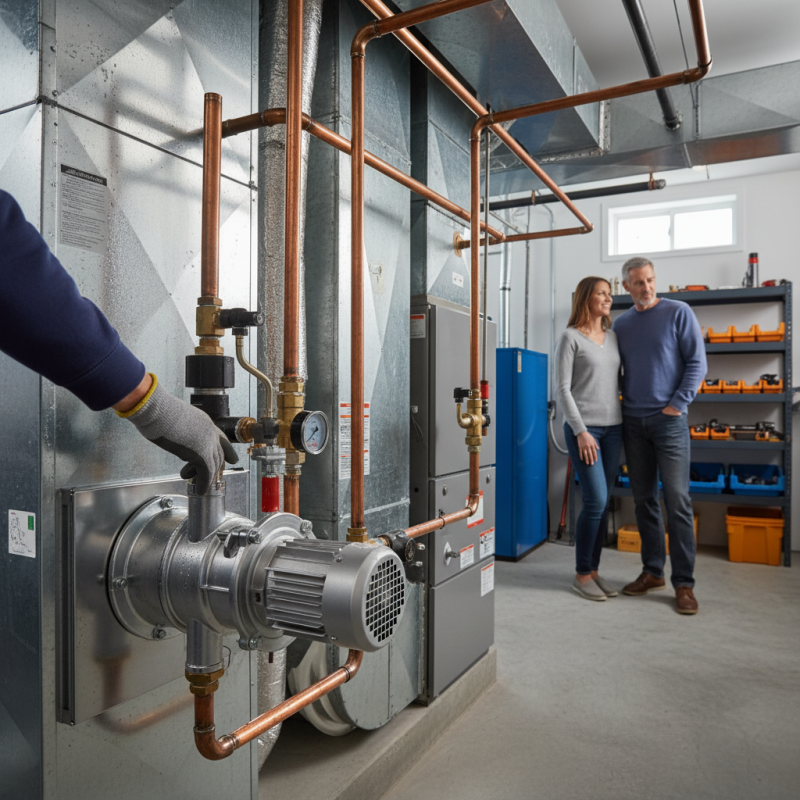
Choosing the right HVAC pump for your home system requires careful thought. Several factors come into play. Understanding these will help you make an informed decision.
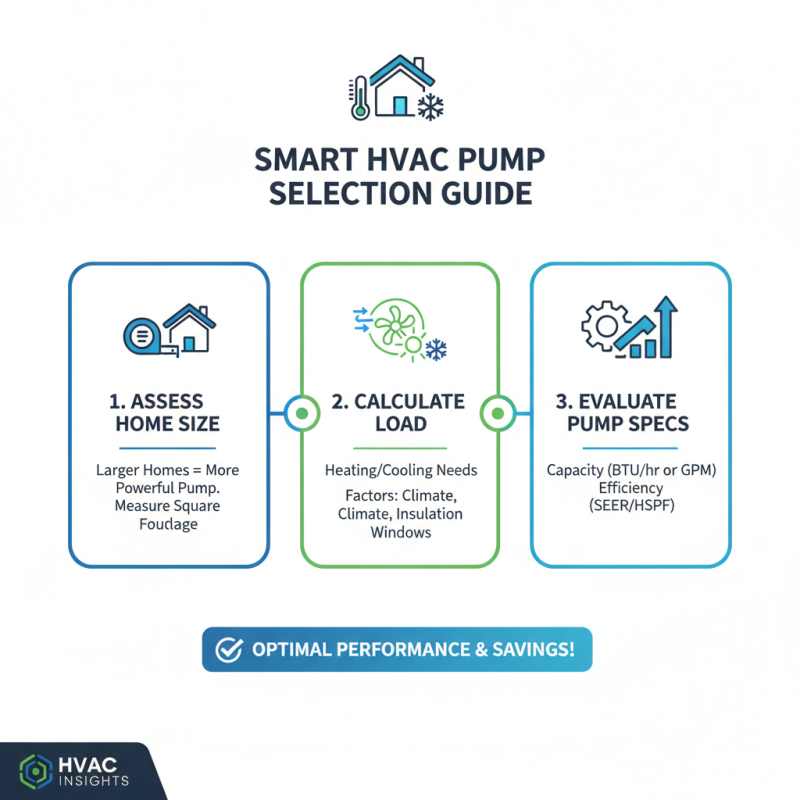
Consider the size of your home. A larger space may need a more powerful pump. Conversely, a small home may not require an oversized unit. Do not underestimate the importance of proper sizing. An incorrectly sized pump can lead to inefficiencies. This can result in wasted energy and increased bills.
Not all pumps are created equal. Pay attention to the type of pump you choose. There are different designs suited for specific applications. Some perform better in high-efficiency systems, while others thrive in standard setups. Make sure to match your pump to your system for optimal performance.
Tips: Always check the pump’s reliability rating. An unreliable pump can cause frequent issues. Look for one with a good warranty. This ensures support if something goes wrong. Also, consider how noisy the pump is. Too much noise can disrupt your home's comfort.
Lastly, consult with a professional when in doubt. Their expertise can guide you. It’s important to balance cost with efficiency and durability. Reflect on your long-term needs versus immediate savings. A better pump can save you from future headaches.
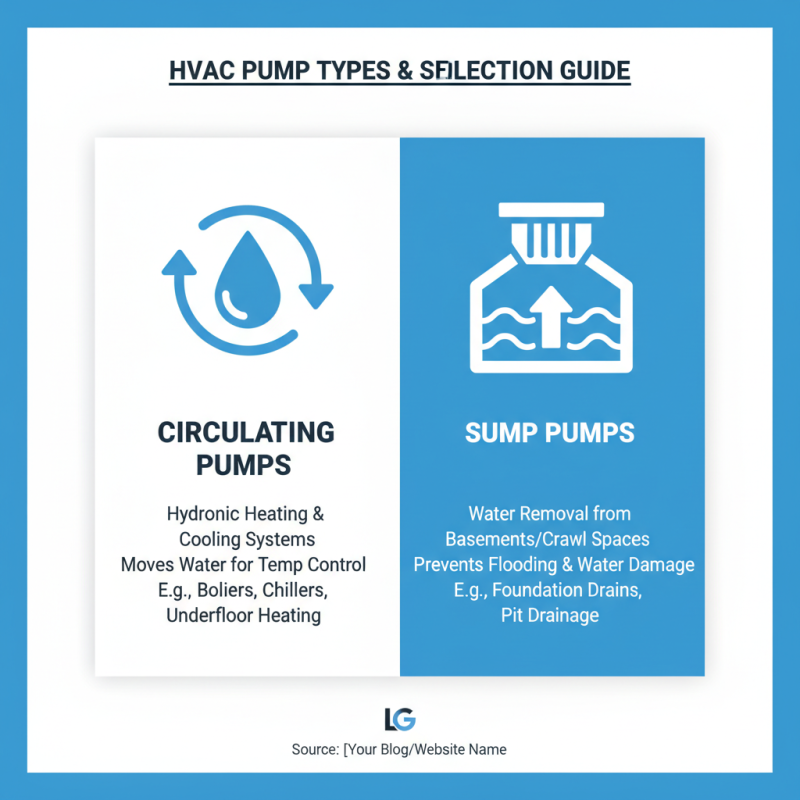
When selecting the right HVAC pump, understanding the types and their applications is crucial. Pumps generally fall into two main categories: circulating pumps and sump pumps. Circulating pumps are essential in hydronic heating and cooling systems. They move water through the system, ensuring efficient temperature control. Sump pumps, on the other hand, help eliminate water that has accumulated in a basement or crawl space.
According to the U.S. Department of Energy, using the right pump can improve energy efficiency by up to 30%. This is significant, considering that HVAC systems account for nearly 50% of energy consumption in a typical home. Many homeowners overlook the importance of pump sizing and type. For instance, an oversized pump can lead to higher energy costs and system wear. Conversely, a pump that’s too small will not effectively circulate water.
Installing the wrong type of pump can lead to issues. If a sump pump is used where a circulating pump is needed, it often results in inadequate heating. Each type of pump offers unique features. Circulating pumps are usually more compact, while sump pumps are designed for heavy-duty water removal. Assessing the specific needs of your home can help prevent mistakes. Understanding these variations is key to optimizing your HVAC system's performance.
When choosing an HVAC pump for your home, evaluating its capacity and efficiency is crucial. The right pump should match your system's requirements. Consider the size of your home and the heating or cooling load needed. Larger homes typically need more powerful pumps. Measure your space carefully before making a decision.
Tips: Always check the pump's specifications for flow rates. A pump that runs too fast can waste energy. Conversely, one that is too slow may not deliver adequate comfort. Seek efficiency ratings to ensure you're making a wise investment.
You may face challenges in understanding pump parameters. Most homeowners find technical details overwhelming. This is common. Research and consult professionals when necessary. Don't hesitate to ask questions. A small oversight may lead to higher energy bills or inadequate temperature control. Always keep an eye on potential problems.
When installing an HVAC pump, proper placement is crucial. Ensure it is located near the heating and cooling units. This reduces energy loss and enhances efficiency. According to the U.S. Department of Energy, a well-placed pump can improve performance by up to 20%. Additionally, installation should be level to prevent vibration issues. An uneven pump can lead to mechanical strain and subsequent failures.
Regular maintenance significantly extends the pump's lifespan. Experts recommend checking filters every month. Dirty filters can restrict airflow and strain the pump, sometimes leading to costly repairs. The National Institute of Standards and Technology suggests a maintenance routine every six months. This includes inspecting seals and connections. Regular lubrication of mechanical parts is also essential. A slight oversight here can result in major performance issues.
Lastly, consider the noise level of the pump. An overly loud pump can be disruptive. Many people overlook this aspect. Aim for a model that maintains quiet operation. Noise can indicate underlying problems. Routine inspections can catch these before they escalate. Ultimately, attention to detail during installation and maintenance can lead to significant cost savings over time.
Choosing the right HVAC pump is crucial for your home system's efficiency. However, many homeowners make common mistakes during this process. One mistake is not considering the pump's size. A pump too small will struggle, while one too big can waste energy. Measure your home's specific needs before purchasing.
Another issue is overlooking the pump's compatibility with existing components. If your system isn't designed for the new pump, it can lead to poor performance. Always check compatibility with your HVAC system.
Tips: Always consult with professionals when in doubt. They can provide insights into what your system requires. Don’t rush the selection process. Take time to evaluate your options and their implications. Remember, an informed choice now can save you money in the long run.
sale@harbertpump.com,
sale@harbertpump.com