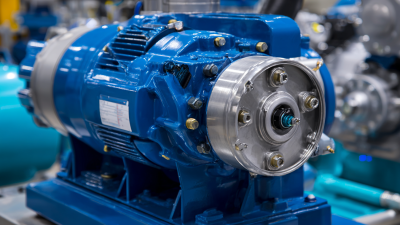
Choosing the right domestic water pump for your home can be challenging. With numerous options available, it’s essential to understand your specific needs. A domestic water pump is crucial for various purposes, such as irrigation, household water supply, and draining water.
Consider the size of your home and the water demand. Determine the flow rate required for showers, sinks, and irrigation systems. Each home is unique, and a pump that works for one may not suit another. You might face difficulties if you underestimate your requirements.
Evaluate the available pump types. There are submersible, centrifugal, and jet pumps, among others. Each has advantages and drawbacks. A common mistake is overlooking maintenance needs, which can lead to expensive repairs later. Investing time in selecting the right domestic water pump can save you from frustration and ensure a consistent water supply.
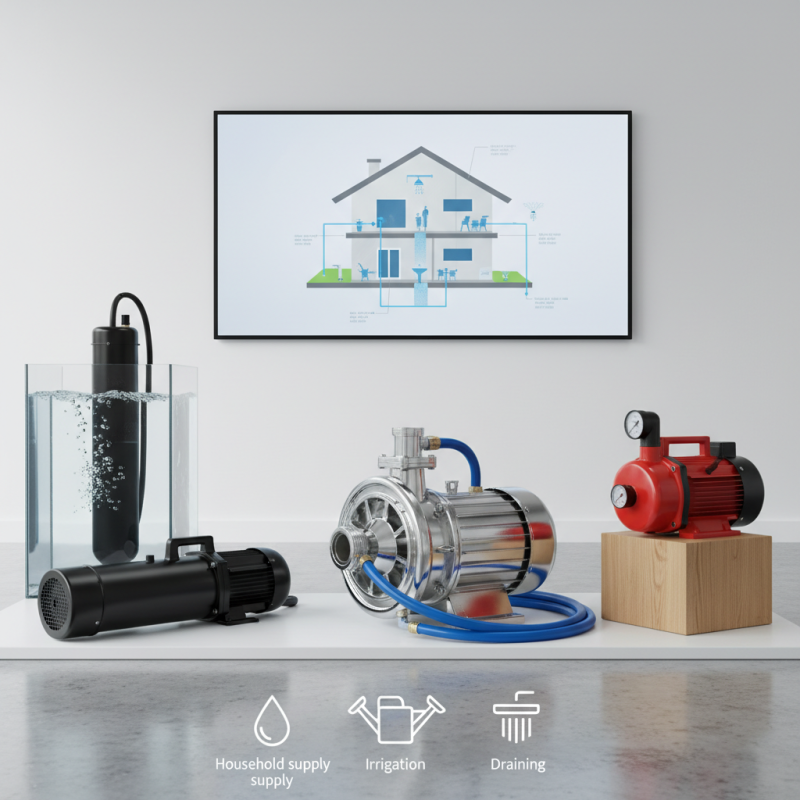
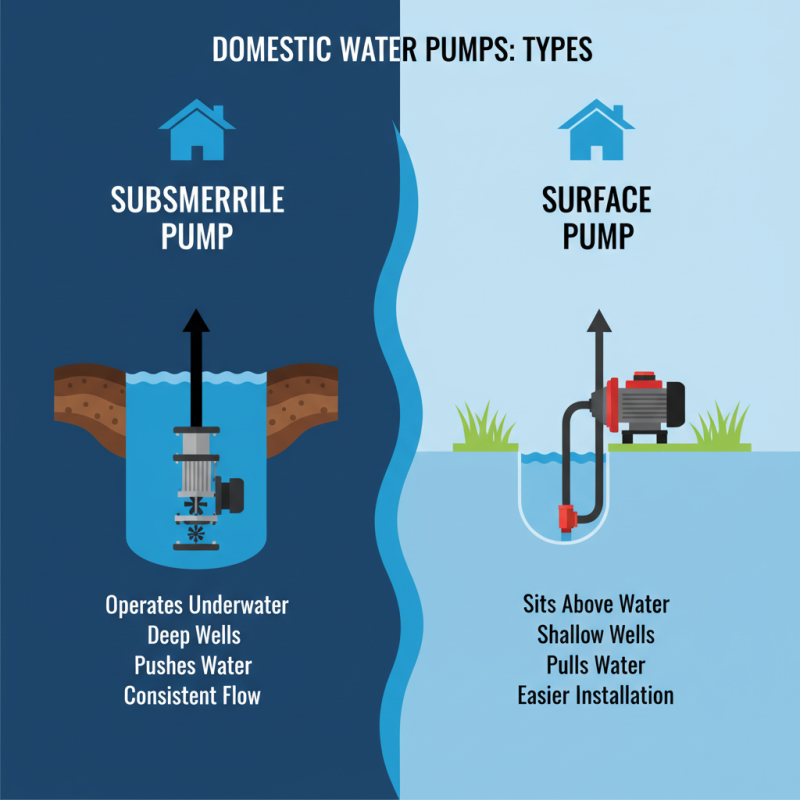
When selecting a domestic water pump, it’s crucial to understand the different types available. Submersible pumps operate underwater, making them efficient for deep wells. They push water to the surface, ensuring consistent flow. Surface pumps, on the other hand, sit above the water source. They are easier to install but may struggle with deep water levels.
Tips: Consider the depth of the water source. If it's deep, a submersible pump is suitable. If the water source is shallow, a surface pump will work fine.
Another type is the jet pump, which uses suction to draw water from a well. Jet pumps are powerful and can handle high demand. They are a great choice for larger households. However, they can be noisy and require more maintenance. Make sure to factor in these aspects when making a choice.
Tips: Evaluate your household’s water needs. Choose a pump that meets your peak usage. Overestimating requirements can lead to wasted energy and costs.
Take the time to assess your options carefully. A poor choice could lead to inefficiency and frustration. Researching and understanding the types of pumps can save you time and effort in the long run.
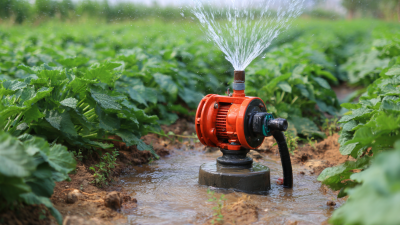
When selecting a domestic water pump, it’s crucial to assess your home’s specific water supply needs. Start by determining your average daily water usage. This includes everything from drinking water to irrigation. Take note of how many people live in your home. More residents usually mean higher water demands.
Next, consider your home’s water pressure. Low pressure can impact showering and appliance functionality. Measuring the pressure can be tricky, and you might need to consult a professional. Look at your plumbing system layout, too. Long pipe runs could reduce efficiency.
Think about the sources of water available to you. Is it from a well or municipal supply? Each source might require different pump types. Evaluate any potential issues, like fluctuating water levels for wells. Pondering these details will help prevent future inconveniences.
| Parameter | Details |
|---|---|
| Household Size | Small (1-2 people), Medium (3-5 people), Large (6+ people) |
| Water Demand (Gallons per Day) | Small: 30-50, Medium: 50-70, Large: 70+ |
| Pump Type | Submersible, Jet, Centrifugal, Diaphragm |
| Power Source | Electric, Solar, Gasoline |
| Total Dynamic Head (TDH) | Measured in feet; Total height the pump needs to lift the water, typically ranging from 20 to 80 feet. |
| Pump Capacity (GPM) | Ranges from 5 GPM to 25 GPM, depending on household needs. |
| Budget | $100 - $1500 depending on type and capacity. |
| Maintenance Requirements | Regular inspections, potential replacement of parts, and cleaning. |
When choosing a domestic water pump, understanding performance specifications is crucial. Pay attention to flow rate, measured in gallons per minute (GPM). A higher GPM means more water delivery for your household needs. Think about the number of taps and appliances you frequently use. If your home has multiple bathrooms, a pump with a higher flow rate may be necessary.
Another key specification is the total dynamic head (TDH). This indicates the height the water needs to be pumped. The pump must overcome gravity and pressure in your system. Calculate the combined height from the pump location to all fixtures. This can be tricky; miscalculations can lead to performance issues.
Consider the pump material as well. Plastic pumps are lightweight but less durable. Metal pumps can be heavy but offer longevity. Some pumps have noise levels that might disrupt your daily life. Evaluate whether noise is a critical factor for you. Personal experiences with different pumps show that finding the right balance between efficiency and comfort is challenging. It's important to recognize that no pump is perfect; you may need to adjust your choice based on real-world performance.
When selecting a domestic water pump, energy efficiency is crucial. Efficient pumps save electricity and lower operational costs over time. Look for pumps that have a high-efficiency motor. These typically consume less power and reduce your monthly bills significantly. You might spend a bit more upfront, but savings will accumulate.
Consider the pump's operational costs too. Check the flow rate and head height. A pump that is too powerful may waste energy. Conversely, one that is too weak might struggle, leading to increased wear and tear. This could result in higher maintenance expenses.
**Tips**: Regular maintenance can boost efficiency. This includes checking filters and seals. Pay attention to any unusual noises during operation. These could signal a potential issue. Also, be mindful of your water usage patterns. Sometimes, adjusting your habits can prolong pump life and enhance efficiency.
Choosing the right domestic water pump is crucial for optimal home water supply. Installation and maintenance play vital roles in ensuring your pump functions correctly. According to industry reports, poorly installed pumps can lead to a performance drop of up to 30%. Thus, proper installation is essential.
Begin by positioning the pump close to the water source. Ensure it’s on a level platform to prevent vibrations. A common mistake is neglecting air leaks during installation. These can cause the pump to lose efficiency. Utilize Teflon tape on threaded joints for a secure fit.
Maintenance is equally important. Regularly check the pump for signs of wear. Clean the sump and filter to avoid debris build-up. Did you know that 40% of pump failures result from lack of maintenance? Schedule periodic checks to prolong the lifespan of your pump.
Here’s a tip: Keep an eye on the pressure gauge. Unusual fluctuations may indicate problems. Don’t ignore strange noises coming from the unit. These could reveal underlying issues needing urgent attention. All these factors can drastically affect your home’s water quality and supply.
This chart compares the flow rates of different domestic water pumps to help you make an informed choice based on performance. Pumps with higher flow rates can typically supply larger volumes of water more efficiently.
sale@harbertpump.com,
sale@harbertpump.com