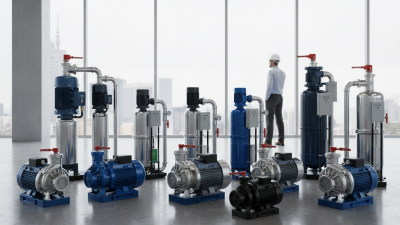
When it comes to choosing the right sewage pump system, expert advice is invaluable. John Smith, a seasoned engineer in the waste management industry, emphasizes, “The right pump can save you money and prevent future headaches.” Selecting a sewage pump system isn’t just about picking the first option you see. It involves understanding your needs and the specific conditions of your site.
Choosing poorly may lead to inadequate performance. Various factors such as your home’s sewage output, installation space, and local regulations play a crucial role in this decision. For instance, some homes may need a heavy-duty pump, while others can function well with a simple model. Evaluating these factors can be overwhelming, especially for first-time buyers.
It's essential to gather information and conduct thorough research. Sometimes, the details that seem insignificant can make a big difference. You might feel tempted to rush this process, but taking your time can prevent costly mistakes. Understanding the intricacies of sewage pump systems will not only enhance your home’s efficiency but also ensure long-term satisfaction.
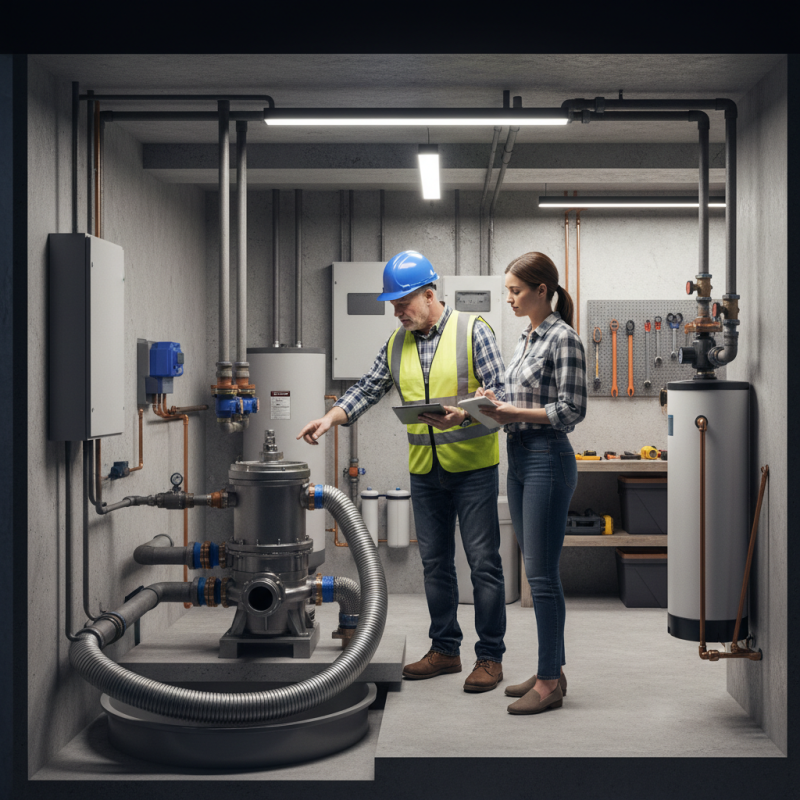
When choosing a sewage pump system, understanding the available types is key.
Submersible pumps are popular for their efficiency.
They work underwater and can handle solids, making them suitable for homes with a basement.
However, they can be complex to install and maintain. Regular checks are necessary to ensure they function properly.
On the other hand, effluent pumps are another option.
They handle liquid waste and can transport it over long distances. These systems need a septic tank to operate effectively.
While they might be less complicated, they may not handle solids well.
Buyers must consider the specific waste type their system will encounter.
Lastly, grinder pumps are powerful tools designed to handle solid waste.
They grind everything into fine particles, making it easy to pump.
However, these pumps can be more costly. Installation complexities may arise due to their design.
Future repairs can also be expensive.
A careful reflection on your needs and environment is important before making a choice.
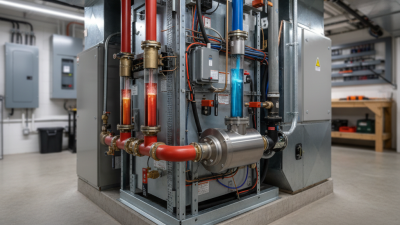
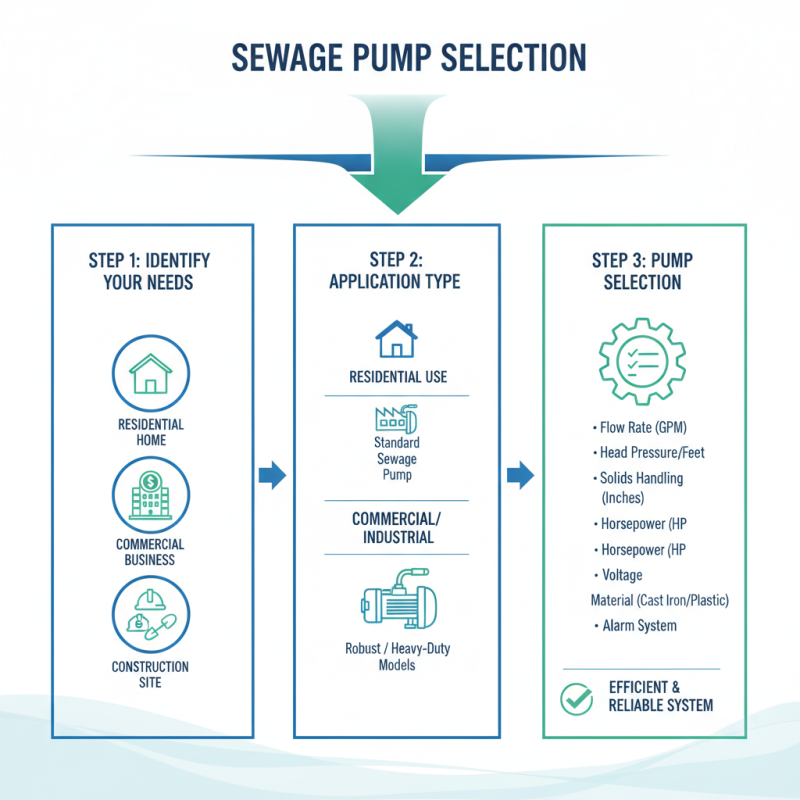
When considering a sewage pump system, you need to assess various factors. The first step is to identify your specific needs. Are you pumping wastewater from a home, business, or construction site? The application greatly affects the pump selection. For residential use, a standard sewage pump may suffice. Meanwhile, commercial applications might require more robust models.
Next, consider the pump's capacity and flow rate. These specifications determine how much waste the pump can handle effectively. Assess the total head, which measures the height the pump can move waste. Miscalculating this could lead to pump failure. You don’t want to face repeated breakdowns or insufficient performance.
Also, factor in the environment where the pump will operate. Is it indoors or outdoors? Will it be exposed to harsh conditions? Look for materials that can withstand such environments. Remember, a well-chosen pump can last for years, while a wrong one may create ongoing headaches. Always reflect on choices made. Have you thought through all possibilities?
Choosing the right sewage pump system requires careful consideration of several key factors. Start by assessing the total lift needed. This refers to the vertical distance the sewage must travel. A higher lift will require a more powerful pump. Remember to measure properly. Underestimating lift can lead to system failure.
Next, consider the flow rate. This is essential for determining how much sewage the pump can handle. The flow rate depends on your household needs. Be realistic about your daily usage. Oversizing your pump can waste energy and lead to higher bills. Look for an optimal balance between capacity and efficiency.
Another critical point is the type of sewage being pumped. Different pumps are designed for different types of waste. If you expect solid matter, a tougher pump might be necessary. Think about maintenance too. Some systems require more upkeep, which can be a hassle. Reflect on how much time and effort you are willing to invest in maintenance to ensure long-term performance.
| Factor | Description | Importance Rating (1-5) |
|---|---|---|
| Type of Waste | Identify if you're dealing with sewage, gray water, or hazardous waste. | 5 |
| Flow Rate | Measure the amount of waste that needs to be pumped per minute. | 4 |
| Pump Head | Assess the vertical distance that wastewater needs to be pumped. | 5 |
| Power Source | Consider if the pump will be electric or battery-operated. | 3 |
| Installation Location | Determine where the pump will be installed, such as inside a basement or outdoors. | 4 |
| Noise Level | Evaluate the acceptable noise level for your environment. | 3 |
| Durability | Look for materials and construction quality that ensure long-term use. | 5 |
| Maintenance | Consider how often the pump will require maintenance and ease of access for repairs. | 4 |
Regular maintenance is crucial for optimal performance of sewage pump systems. According to a recent industry report, nearly 30% of sewage pumps fail due to inadequate maintenance. Performing routine inspections helps you identify problems early. Check for clogs, leaks, and unusual noises. These signs can indicate underlying issues needing attention.
Keep an eye on the pump's electrical components as well. Overheating from electrical faults is a common cause of failure. Additionally, replace worn parts promptly. Perform routine cleaning of the pump and its surroundings. This practice prevents debris buildup, which can lead to pump inefficiency.
Lastly, consider monitoring the pump’s operational parameters, like flow rate and pressure. Many systems come with technology that allows for real-time monitoring. However, understanding what these indicators mean is essential. Regular monitoring helps you to make informed decisions and avoid costly repairs later. Sometimes, small changes in performance go unnoticed until they become major issues.
Choosing a sewage pump system can be overwhelming. Many homeowners make common mistakes that could lead to costly consequences. One mistake is underestimating the required pump capacity. According to industry reports, a sewage pump should handle at least 30% more flow than the anticipated peak. This accounts for unexpected surges and prevents pump burnout.
Another frequent error is neglecting the type of solids the pump needs to handle. Not all pumps are created equal. Some can manage soft solids, while others are designed for heavy-duty applications with larger debris. Choosing the wrong type leads to clogging and operational failures. It's essential to know your specific requirements before making a selection.
Additionally, ignoring the importance of proper installation is a mistake. A poorly installed system can lead to leaks and costly repairs. Professionals recommend regular maintenance checks to ensure everything runs smoothly. According to a survey, 24% of pump failures result from installation errors. Being aware of these common pitfalls can help you make a more informed choice.
This chart compares the pump capacity (in GPM) of different types of sewage pump systems. Understanding the differences in capacities can help in choosing the right pump for your specific sewage needs.
sale@harbertpump.com,
sale@harbertpump.com