
As the world moves towards a greener future, China stands out as a leading manufacturer of Oil Immersed Transformers. These transformers play a crucial role in the energy sector, ensuring efficient power distribution. Their design utilizes oil for cooling and insulation, becoming a preferred choice globally.
China’s expertise in producing Oil Immersed Transformers is evident. They combine advanced technology with robust materials to create reliable products. Buyers can access a diverse range of transformers that meet international standards. This diversity caters to the unique needs of different markets.
While China's dominance in this sector is notable, potential buyers must navigate various challenges. Quality control and standards compliance require careful consideration. Additionally, understanding local support and service options is essential to ensure long-term reliability. Engaging with established suppliers can help mitigate these risks.
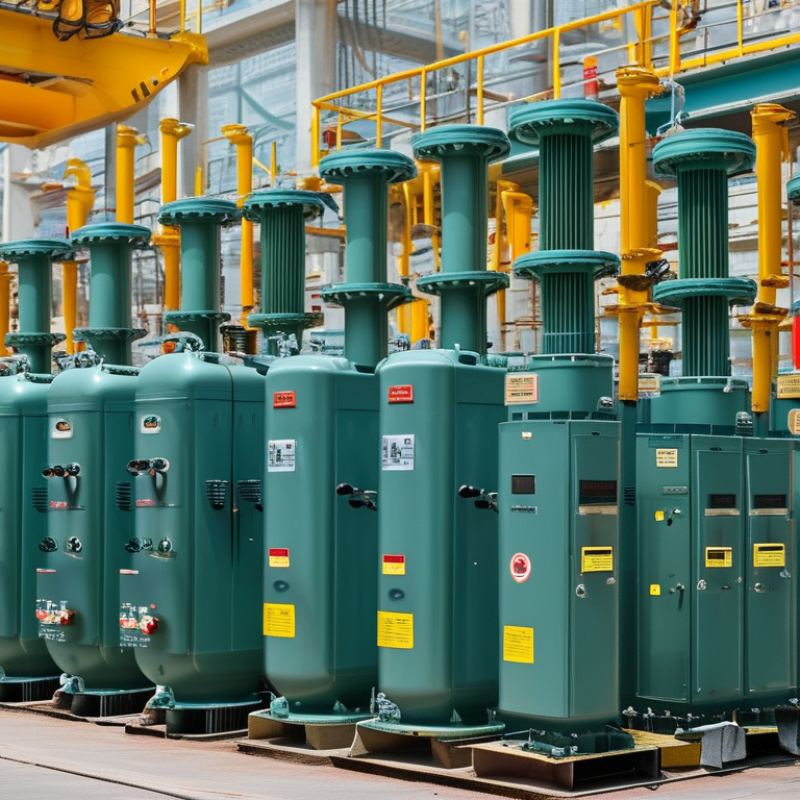
China has solidified its standing as a leader in the oil immersed transformers industry. The country's manufacturers excel in technology and innovation. This has allowed them to cater to diverse global markets. Their products often feature advanced cooling techniques and energy efficiency. These innovations can enhance reliability and performance.
However, the rapid growth of this sector raises questions about sustainability. High demand for raw materials can lead to environmental concerns. Furthermore, competition among Chinese manufacturers also results in varying quality standards. While many producers ensure high-quality standards, some may compromise on reliability to reduce costs. Buyers should remain vigilant when selecting suppliers to ensure quality.
China's oil immersed transformers are known for their affordability. However, the price often reflects the quality. As global buyers seek reliable long-term solutions, it's crucial to consider more than just the cost. Quality assurance and industry certifications play a vital role in ensuring that a product meets international standards. Prioritizing these factors can lead to more sustainable investment decisions.
Oil immersed transformers have become a preferred choice for many industrial applications. Their ability to efficiently manage power distribution in various settings is noteworthy. According to a recent report by MarketsandMarkets, the global demand for oil immersed transformers is expected to grow by over 5% annually from 2023 to 2030. This growth indicates their reliability and effectiveness in demanding environments.
One of the main benefits of oil immersed transformers is their thermal management. The insulating oil not only provides electrical insulation but also dissipates heat effectively. This quality enhances the transformer's longevity. Additionally, these transformers are known for their ability to operate in harsh conditions, making them suitable for diverse geographical locations. However, the maintenance of oil quality is crucial, as degraded oil can lead to overheating and inefficiency.
Industrial users should consider a few key aspects when selecting oil immersed transformers. Regular inspections can prevent unexpected failures. Pay attention to oil levels and check for leaks. It’s essential to ensure that cooling systems are functioning optimally. Investing in advanced monitoring tools can enhance reliability and performance over time.
Oil immersed transformers play a crucial role in the global energy sector. According to the latest market research, the demand for these transformers is projected to grow at a compound annual growth rate (CAGR) of 5.2% from 2023 to 2028. This growth is driven by increasing investments in renewable energy sources and the modernization of electrical infrastructure across various regions.
Notably, Asia-Pacific is experiencing a surge in demand. A report indicated that this region accounted for nearly 45% of the global market share in 2022. Countries such as India and China are leading the charge, fueled by urbanization and rising electricity consumption. However, challenges remain. Manufacturers must address environmental concerns related to oil disposal and leakage. Sustainable practices are becoming essential in the production of oil immersed transformers.
Technological advancements are also shaping market dynamics. Innovations in materials and design can increase efficiency and reduce costs. Yet, some companies face difficulties in keeping pace with these developments. Continuous training and investment in R&D are vital. The oil immersed transformers market is evolving, requiring stakeholders to adapt and reflect on their strategies for future growth.
| Region | Estimated Demand (Units) | Market Growth Rate (%) | Key Factors Driving Demand |
|---|---|---|---|
| North America | 20,000 | 4.5 | Infrastructure upgrades, renewable energy integration |
| Europe | 25,000 | 3.8 | Regulatory policies, environmental concerns |
| Asia-Pacific | 50,000 | 6.7 | Rapid industrialization, urbanization |
| South America | 15,000 | 5.1 | Investment in energy projects, grid improvements |
| Middle East & Africa | 12,000 | 4.0 | Growth in oil & gas sector, infrastructure investments |
China has emerged as a key player in the production of oil immersed transformers. The country's manufacturing capabilities are noteworthy. A recent industry report highlights that China produced over 150,000 units of these transformers in 2022 alone. This figure represents a significant increase of nearly 20% compared to the previous year. Such growth reflects the rising demand for reliable power solutions globally.
Leading Chinese manufacturers are focusing on innovative designs and advanced materials. They strive to enhance efficiency and reduce environmental impact. According to market insights, the global transformer market is expected to reach $80 billion by 2026. Of this, oil immersed transformers will account for a substantial share. Yet, some manufacturers face challenges in meeting international safety standards. This concern raises questions about quality control and compliance.
Continuous improvement is essential. Manufacturers must invest in research and development to stay competitive. Additionally, collaboration with global partners could enhance credibility. The oil immersed transformer market holds great promise, but there is room for growth and refinement. Only through addressing these challenges can manufacturers secure their position in the global market.
China has rapidly advanced in the production of oil immersed transformers, becoming a key player in the global market. Technological innovations in this sector have led to improved efficiency and reliability. According to a recent industry report, the global oil immersed transformer market is projected to grow at a CAGR of 5.4% from 2023 to 2030. China’s contribution to this growth is significant, driven by advancements in manufacturing processes and materials.
One notable innovation includes the use of advanced insulation materials that enhance thermal performance. This has resulted in transformers that can operate under higher loads and extreme conditions. The usage of computer-aided design (CAD) tools has also increased precision in production. Experts have noted that these technologies can potentially reduce failure rates by up to 30%, emphasizing the importance of continuous improvement in design and manufacturing techniques.
However, the industry faces challenges. While innovation is necessary, not all manufacturers can keep pace with rapid technological changes. Some still rely on outdated processes. This disparity can lead to reliability issues. Addressing these gaps is critical for maintaining the long-term integrity of oil immersed transformers in the market. The ongoing investment in research and development will play a crucial role in overcoming these obstacles.
sale@harbertpump.com,
sale@harbertpump.com