2026 Best Pump Solutions for Global Buyers What to Choose?
In the evolving landscape of industrial pump solutions, selecting the right equipment is vital for efficiency and performance. As industry expert Dr. Emily Carter states, "The right pump can optimize processes and reduce operational costs significantly." With a plethora of options available, global buyers face a daunting task.
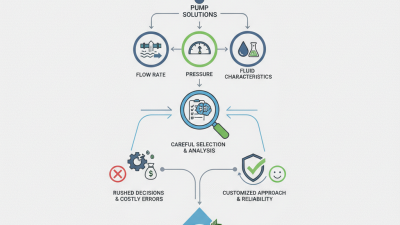
Understanding the diverse range of pump solutions is crucial. Each application requires a tailored approach. Factors such as fluid characteristics, pressure needs, and environmental concerns must be analyzed. The choices can be overwhelming, making it essential to rely on expert guidance. Companies that overlook these details risk inefficiencies that can be costly over time.
Deciding on a pump solution isn't merely a technical choice; it demands a comprehensive evaluation of needs. Engaging with professionals can illuminate potential pitfalls and opportunities. In the end, investing time in research and consultation can lead to robust outcomes. Always remember, the efficacy of your operations hinges on this critical decision.
Overview of Pump Solutions in 2026
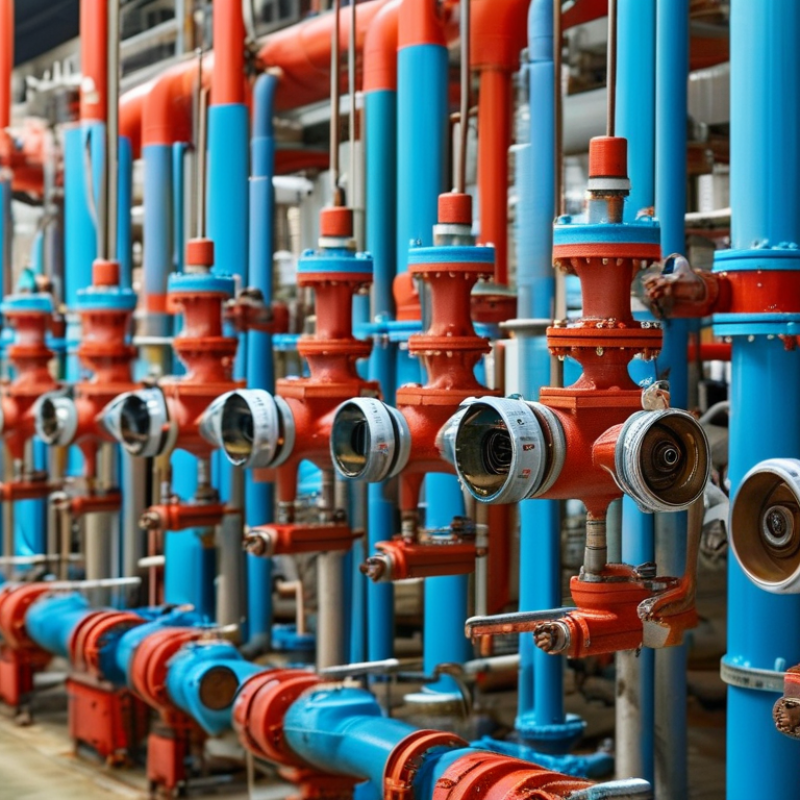
The pump solutions landscape in 2026 is dynamic and varied. Buyers today must navigate numerous options based on specific needs. Trends show a growing focus on efficiency and sustainability. The importance of energy-efficient pumps cannot be overstated. Industries seek solutions that minimize power consumption while maximizing output.
When choosing a pump, consider the application carefully. Not all pumps fit every situation. For example, a centrifugal pump may be ideal for larger volumes, but a positive displacement pump could be better for precise flows. Researching specifications and operational requirements will lead to better decisions.
It's essential to evaluate the reliability of suppliers. Long-term partnerships can enhance operational efficiency. However, buyers also need to be cautious. Over-reliance on a single source may create vulnerabilities. Diversification in supplier options can mitigate risks and enhance sourcing strategies.
Always assess the market and emerging technologies. Being adaptable today will prepare industries for tomorrow's challenges.
Key Factors to Consider When Choosing Pumps
Choosing the right pump for your needs involves careful consideration of several key factors. Operational efficiency is crucial. According to a recent industry report, pumps contribute to over 20% of energy consumption in industrial applications. Understanding your application's fluid characteristics is vital. This includes viscosity, temperature, and specific gravity, which can significantly impact overall efficiency. Selecting a pump that accommodates these factors reduces operational costs.
Reliability is another essential aspect. Pumps must perform consistently in diverse environments. Industry studies show that downtime due to pump failures can lead to significant financial losses, sometimes exceeding 10% of total operating costs. Regular maintenance schedules and monitoring can enhance reliability. Innovations like predictive maintenance technologies are gaining traction, allowing companies to anticipate failures before they happen. However, over-reliance on technology can obscure human elements in maintenance practices.
Compatibility with existing systems should also be evaluated. Pumps need to integrate seamlessly into current setups without extensive modifications. A misfit can lead to inefficiencies and increased costs. Understanding the limitations and requirements of your existing infrastructure is crucial. Keep in mind that even well-rated pumps can underperform if not matched appropriately to their environment. Making an informed choice ensures longevity and efficacy in pump operations.
Top Pump Types and Their Applications
When considering pump solutions, it's essential to understand the types available and their applications. Centrifugal pumps are the most commonly used. They work by converting rotational kinetic energy into hydrodynamic energy. This type is ideal for low-viscosity fluids. According to a recent report by the International Pump Industry Association, centrifugal pumps account for nearly 80% of the global market.
Positive displacement pumps are another significant category. These pumps excel in handling viscous liquids and can maintain a constant flow rate regardless of pressure. Their ability to move thick slurries makes them invaluable in sectors like food processing and wastewater management. A study from the Global Fluid Handling Market Research indicates a growing demand for positive displacement pumps, which is expected to reach a market size of over $60 billion by 2026.
We must also consider emerging pump technologies. Magnetic drive pumps, for instance, eliminate the need for mechanical seals. This feature reduces maintenance needs and improves reliability. However, their initial costs can be higher. As industries move towards sustainability, the demand for energy-efficient pump solutions is rising. Monitoring energy usage is crucial, as inefficient systems can lead to significant operational costs. Understanding these dynamics provides valuable insights for global buyers.
Leading Pump Manufacturers in the Global Market
When searching for the best pump solutions, understanding the key manufacturers can greatly influence your decision. Leading pump manufacturers often have a broad range of products, suitable for various applications. These companies invest heavily in technology. Their innovations enhance efficiency and reliability in diverse industries, from agriculture to construction. It is wise to compare these features, as not every product may meet your specific needs.
Quality remains paramount. Look for manufacturers with experience in the market. Their track record can provide insight into their reliability. Many established brands offer extensive support and service networks. However, some smaller manufacturers also deliver high-quality options. They might lack the same market presence but can offer specialized products. Consider your requirements carefully while exploring these options.
Not every product is perfect. Shortcomings may exist, even in top brands. Some pumps may not perform well under certain conditions. Researching user reviews can reveal potential issues. It is essential to weigh these insights against your application needs. A well-informed decision often involves critical analysis. Embrace the learning process as you explore the global market for pumps.