
In the dynamic landscape of technology, choosing the right display solution is paramount. Monitor 7 Tft Lcds have emerged as a popular choice among global buyers. Market analysis reveals that the TFT LCD sector is projected to grow at a compound annual growth rate (CAGR) of 6.2% from 2023 to 2030. This growth is fueled by advancements in display technologies and increasing demand for high-quality visuals.
Focusing on Monitor 7 TFT LCD options, several characteristics make these displays appealing. They offer vibrant color reproduction and wide viewing angles, crucial for applications like gaming or professional presentations. Yet, despite these advantages, some users report issues with backlight uniformity and color calibration. Recognizing these challenges can enhance purchasing decisions.
The variety of models available can be overwhelming. Understanding specifications and features helps buyers make informed choices. Reliable sources such as the Display Industry Association provide key insights into the best practices for selecting the right Monitor 7 TFT LCD. With careful consideration, users can find displays that not only meet their needs but also enhance their overall experience.
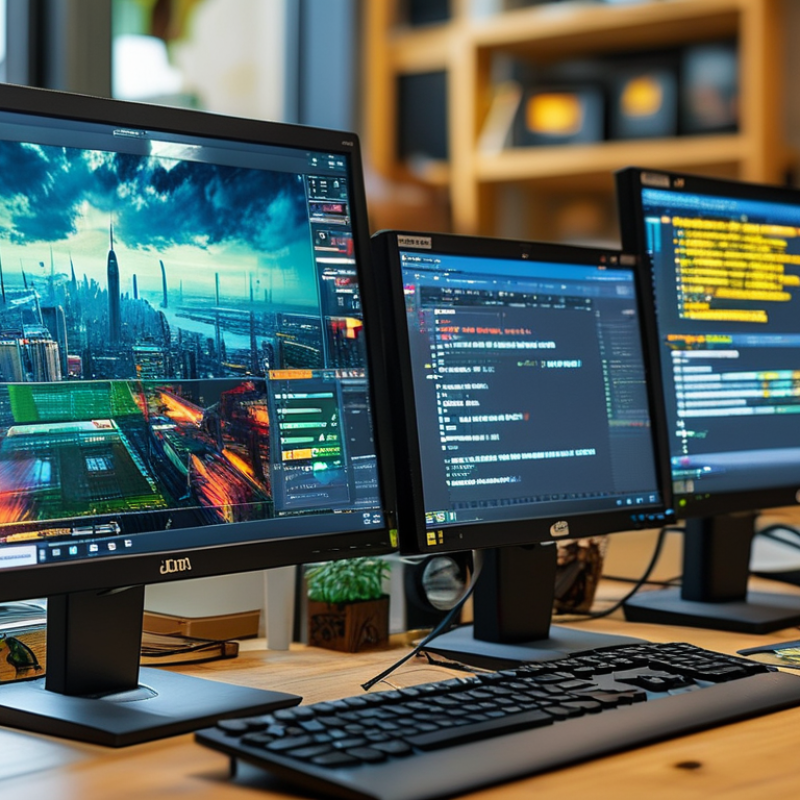
When considering the best TFT LCD displays, specifications are crucial. Resolution plays a vital role. A higher resolution leads to clearer images. Common options include Full HD and 4K displays. Buyers should prioritize their needs based on usage. For gaming, a refresh rate above 60Hz is ideal. For design work, color accuracy is paramount.
Performance is also key. Response time affects how quickly the display reacts to input. A lower response time reduces motion blur. Brightness and contrast ratios determine how vivid images appear. Let's not forget viewing angles. A wider angle ensures better visibility from different positions.
Quality does not come cheap, and that's where buyers often hesitate. Research and reviews provide insights but can also mislead. Not all specifications translate to real-world performance. Take time to compare different options. Understand that user experiences vary significantly. Consider your environment and personal preferences. Sometimes, the best choice isn't the most expensive one. Making informed decisions is essential.
When evaluating TFT LCD monitors, screen resolution plays a pivotal role. A higher resolution typically yields sharper images. The choices range from HD (1280x720) to Full HD (1920x1080), with many monitors now pushing 4K (3840x2160). According to industry reports, monitors with Full HD resolution dominate the market, accounting for approximately 62% of total sales. Users often prefer this resolution for gaming and multimedia, as it provides a balanced performance without overwhelming system requirements.
However, high resolution does not always equal a better viewing experience. Some users may struggle with smaller text on higher resolutions, leading to strain. In a recent study, 42% of participants noted difficulty in reading text on 4K displays compared to 1080p screens. Additionally, choosing the appropriate pixel density is crucial. For instance, monitors with 7-inch screens may offer 720p resolution yet can still appear grainy due to limited pixel density.
Ultimately, buyers must weigh their needs against resolution capabilities. Streaming services now offer varied quality options that necessitate a monitor that can adapt. The challenge becomes aligning the monitor’s specifications with user requirements, ensuring clarity without compromising comfort. This balance is essential for an optimal user experience, as resolution truly influences how content is consumed.
When considering TFT LCD technology, several key features can elevate your purchase decision. Refresh rate is crucial; it directly impacts motion clarity. A higher refresh rate leads to smoother image transitions. Look for at least 60Hz for standard use, while gamers may want 120Hz or more. This difference can mean the world in a fast-paced game or a detailed movie.
Color accuracy is another essential aspect. A display that reproduces accurate colors enhances the visual experience. Check the specification for color depth and coverage. Wide color gamut support, like sRGB or Adobe RGB, can significantly improve your viewing pleasure, especially for designers and photographers. Pay attention to the brightness levels, too; a minimum of 250 nits is generally recommended for indoor environments.
Durability is often overlooked. While many displays look appealing, their lifespans can vary. Some screens may suffer from burn-in or dead pixels over time. Reading user reviews can provide insight into these common issues. However, finding a reliable source of information is critical. Not all reviews are authentic, so always cross-reference. Look for patterns in feedback. This can help you make a clear choice among the myriad of options available.
The market for TFT LCD monitors has shown significant trends recently. Global demand continues to rise, especially in sectors like gaming and professional applications. Many consumers seek features like high resolution and fast refresh rates. This shift is influenced by advancements in technology and changing user needs. An increasing number of people work from home, making quality displays essential.
Supply chains, however, are facing challenges. Production delays and component shortages are common. These issues can impact the availability of monitors in various regions. As demand increases, manufacturers must adapt. They need to balance quality with affordability, ensuring their products reach diverse markets.
In this ever-evolving landscape, consumers have a variety of options. With many features available, finding the right monitor can be confusing. Buyers need to research carefully. Preferences vary widely, and not all monitors meet every user's needs. Engaging in discussions or reading reviews can yield insights. Overall, consumers should be aware of both opportunities and obstacles in the TFT LCD monitor market.
The market for TFT LCD monitors is continually evolving. A report from DisplaySearch indicates that global shipments of TFT LCD products are expected to reach 140 million units in 2023. This growth reflects a rising demand for high-quality displays in various applications. The shift towards remote work and online learning has also driven this demand.
Several manufacturers offer compelling options in 2023. Notably, many brands focus on color accuracy, refresh rates, and screen size. Research shows that consumers prioritize these features. High-resolution displays enhance user experience significantly. However, some products still suffer from limited viewing angles and slow response times. These issues highlight the need for buyers to carefully evaluate specifications.
In the realm of gaming and professional use, the choice of display is critical. A report from IHS Markit discussed that nearly 38% of users consider refresh rate the top priority when selecting a monitor. This statistic underscores the importance of technical features over aesthetic design. Quality control may vary among offerings, urging consumers to ensure their preferred choice meets established standards.
| Model | Screen Size | Resolution | Refresh Rate | Price (USD) |
|---|---|---|---|---|
| Model A | 24" | 1920 x 1080 | 60 Hz | $150 |
| Model B | 27" | 2560 x 1440 | 144 Hz | $300 |
| Model C | 32" | 3840 x 2160 | 60 Hz | $450 |
| Model D | 34" | 3440 x 1440 | 100 Hz | $600 |
| Model E | 24" | 1920 x 1080 | 75 Hz | $120 |
| Model F | 27" | 2560 x 1440 | 165 Hz | $400 |
| Model G | 32" | 3840 x 1600 | 75 Hz | $550 |
sale@harbertpump.com,
sale@harbertpump.com