Choosing the right home water pressure booster can dramatically improve your daily life. Low water pressure can be frustrating, affecting showers, washing dishes, and even watering your garden. You might not realize the importance of a good pressure booster until you experience the inconvenience of weak water flow.
In 2026, various options for home water pressure boosters stand out. From compact units to more robust systems, you’ll find choices to fit any home. However, selecting the perfect booster isn't as straightforward as it seems. Evaluating your specific needs and the capacity of each unit is crucial for optimal performance.
Many assume that higher pressure is always better, but that's not always true. Over-pressurizing can lead to leaks and plumbing issues. A thoughtful approach is essential. This guide will help navigate your options and empower you to make an informed decision for your home.
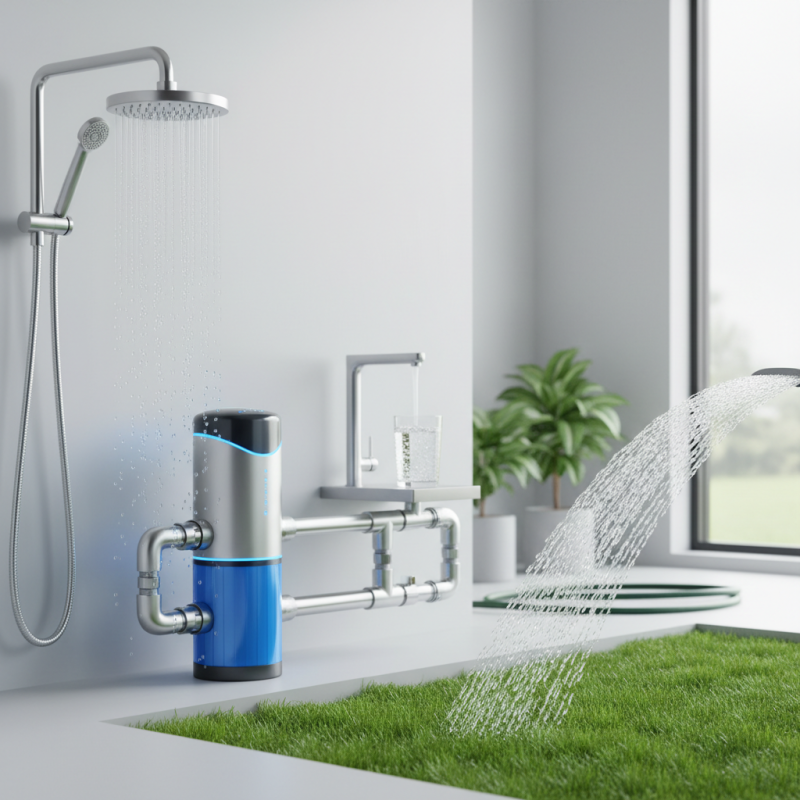
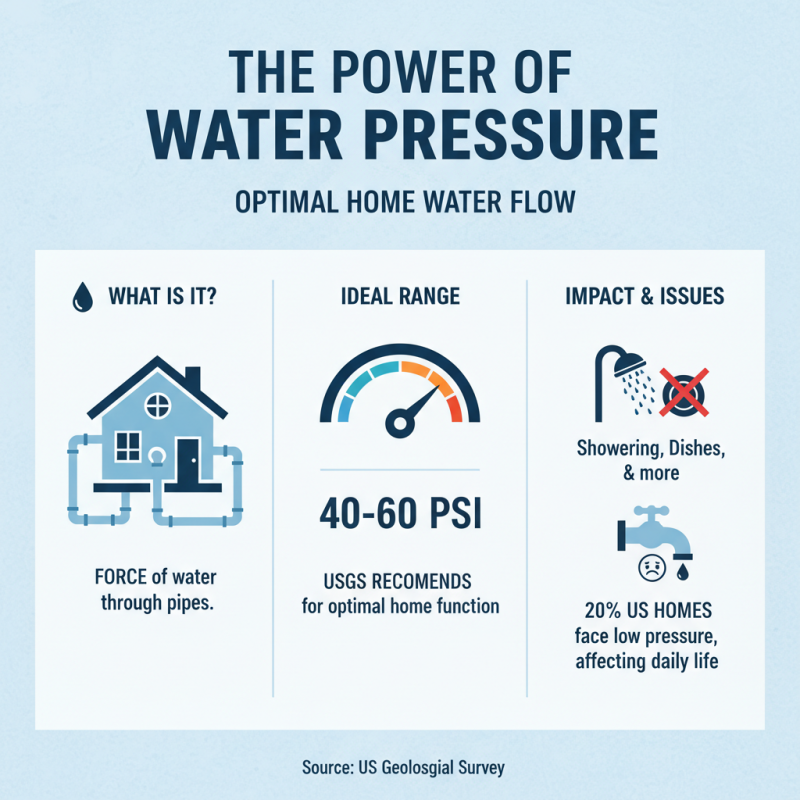
Water pressure is crucial in our daily lives. It impacts everything from showering to washing dishes. According to the U.S. Geological Survey, a typical household needs a pressure of 40 to 60 psi for optimal functioning. Without sufficient water pressure, daily tasks become frustrating and inefficient. Notably, over 20% of households in the U.S. experience low water pressure issues, affecting their quality of life.
Low water pressure can stem from various factors. Old plumbing systems can restrict flow. Corroded pipes cause blockages. Additionally, municipal supply issues further complicate water delivery. Some homeowners may not realize that even small changes in pressure can lead to significant inconveniences. For instance, a drop of just 10 psi can affect the performance of appliances like dishwashers and washing machines.
Boosting water pressure can be a challenge. Many options exist, but they may not suit every situation. It’s essential to assess unique home needs before investing. Identifying the root cause of low pressure is crucial for finding effective solutions. Ultimately, understanding water pressure helps improve daily living standards. Yet, many homeowners overlook this fundamental aspect of home maintenance.
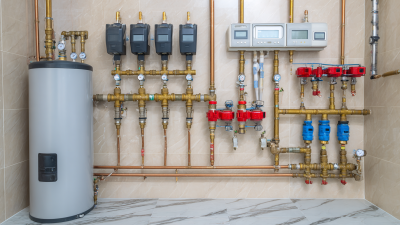
When choosing a water pressure booster, understanding the types available is crucial. There are primarily two categories: positive displacement and dynamic displacement boosters. Positive displacement boosters work by trapping water in a chamber, boosting pressure gradually. This type is often quieter and ideal for residential use. Dynamic displacement boosters, on the other hand, actively move water through impellers, providing higher flow rates. They are common in commercial settings.
Reports indicate that nearly 40% of homeowners experience pressure issues. A pressure booster not only increases flow but can enhance the overall water quality. Some systems even incorporate filtration to remove sediments.
Tip: Assess your household's water needs before selecting a booster. A system that’s too powerful may waste energy and increase costs unnecessarily.
Another consideration is installation complexity. Some water boosters can be set up easily, while others may require professional help. This can lead to additional expenses and unexpected delays.
Tip: Consult with a plumbing expert to gauge your installation requirements. They can help ensure you choose a unit that fits your needs without the hassles.
When selecting a water pressure booster, several key factors come into play. First, assess the flow rate required for your household needs. Studies show that households with multiple water outlets often need at least 10 gallons per minute (GPM) for optimal performance. Knowing your demand helps streamline the options available.
Next, consider the type of booster. There are positive displacement and centrifugal types. Positive displacement pumps, for instance, can provide higher pressure. However, they might create noise. On the other hand, centrifugal pumps are generally quieter but may not deliver as high a pressure boost. A 2021 industry report highlighted that nearly 30% of users reported dissatisfaction with noise levels.
Another important aspect is the design and space available for installation. Many homes lack adequate space for bulky units. Compact designs are essential for easy installation. Additionally, if your home has fluctuating inlet pressure, opt for models with pressure sensing capabilities. This feature enhances stability and performance. Remember, the right choice transcends just price; it must meet your specific needs.
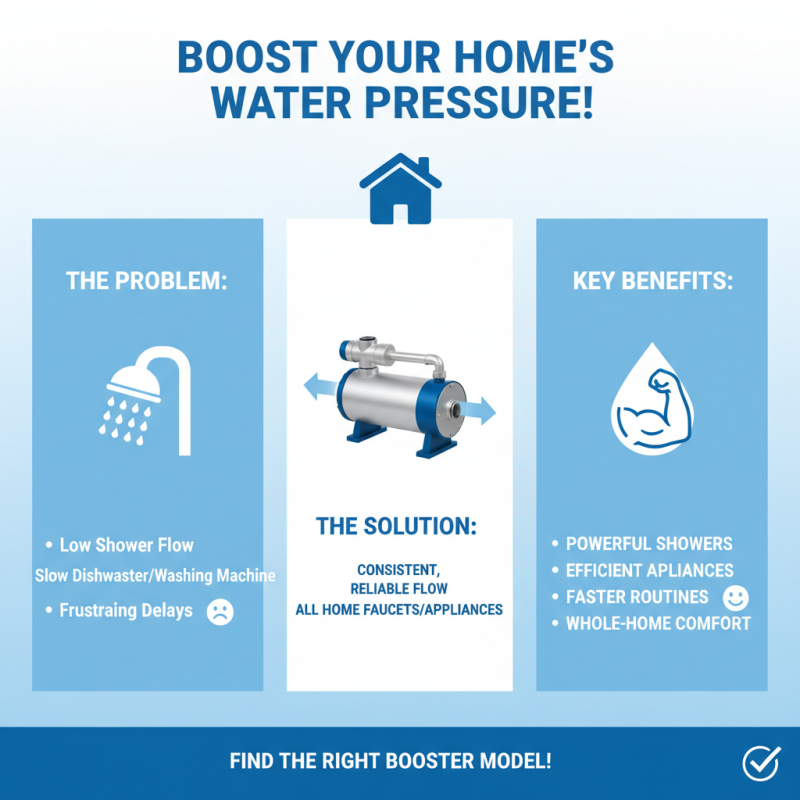
When it comes to addressing low water pressure in homes, finding the right booster model is crucial. Many households struggle with inadequate water flow for showers, dishwashers, or washing machines. Insufficient pressure can lead to frustrating delays during daily routines. An effective water pressure booster resolves these issues, ensuring a consistent and reliable flow throughout the house.
Not all models deliver the same performance. Some may boast high efficiency but lack durability. Others might be quiet, yet fail to meet pressure demands. It's important to read reviews and analyze features to find the best fit. Look for models with adjustable pressure settings. This can help optimize performance based on specific needs. Many users have reported satisfaction with models that are easy to install, but installation experiences often vary.
Consider the space where you plan to install the unit. Some boosters require more room than expected. Noise levels can also vary. Select a quieter model if noise is a concern. Remember, each home is unique. What works for one may not be suitable for you. Weigh all these factors when making your choice. Test out different options before making a final decision.
Installing a water pressure booster can enhance your home’s water flow significantly. It's crucial to install these systems correctly to maximize their benefits. Statistics from the Plumbing & Hydronics Institute suggest that proper installation can boost water pressure by 40% to 60%. Many homeowners overlook this step. Regularly monitoring connections can prevent leaks and inefficiencies.
Maintenance is equally important. Routine checks on filters and pumps ensure optimal performance. Reports indicate that neglecting maintenance can lead to a 25% decrease in efficiency over time. It’s recommended to clean filters every six months. Additionally, checking for any strange noises during operation can help identify potential issues early. Ignoring these signs may result in costly repairs or replacements.
Consider the environment too. If a water pressure booster is not suited for your home’s layout, it can waste energy. Many systems operate less efficiently in certain configurations, leading to spikes in energy bills. A professional assessment can provide insight into the best fit for your needs. This decision can save both money and resources in the long run.
This chart illustrates the preferences of users for different types of water pressure boosters, reflecting their needs based on usage scenarios like low, medium, high pressure, and commercial use.
sale@harbertpump.com,
sale@harbertpump.com