Choosing the right fire pump for 2026 is not a brand contest. It is a decision about water supply, building risk, required flow, and dependable operation. A pump that looks impressive on a specification sheet may still be a poor fit for a site’s pressure, power, or maintenance conditions. Details matter.
Fire protection engineer Robert P. Schifiliti’s system-based work offers a useful reminder, paraphrased here: “Choose the pump as part of the complete protection system, not as an isolated machine.” That perspective helps frame this guide to the seven best fire pumps for 2026. We compare practical considerations such as rated capacity, driver type, controls, service access, and suitability for different facilities. Not just horsepower.
Real-world details can change the choice. A crowded mechanical room may favor a compact arrangement, while a facility with limited electrical capacity may need another driver option. Buyers should also confirm that a model’s published ratings match the project’s design requirements and have qualified professionals review the system.
There is no universal winner. Product availability, site conditions, and maintenance resources vary, and specifications can change. Some comparisons also look cleaner on paper than they feel during an actual installation. That deserves a second look. The following selections are starting points for informed evaluation, not substitutes for project-specific engineering.
Fire Pump Basics and Their Role in Fire Protection
Fire pumps are the pressure-boosting heart of many sprinkler and standpipe systems. They move water from a dependable supply and deliver the flow and pressure the system needs. They do not create water or replace a reliable tank, reservoir, or municipal connection. That distinction matters.
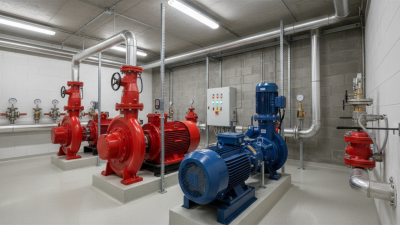
A pump may start automatically when pressure falls, such as when a sprinkler opens. A smaller jockey pump often handles minor pressure changes, helping prevent unnecessary starts of the main pump. Common configurations include horizontal split-case, end-suction, and vertical turbine pumps. Each suits different conditions, including available floor space and whether the water source sits below or above the pump. A dry pump room, clear suction piping, and accessible controls make inspection easier.
Choosing among the seven best fire pumps for 2026 means matching the equipment to the building’s calculated demand, water supply, and power source. Engineers review required flow and pressure, suction conditions, and whether an electric motor or diesel engine is appropriate. Testing matters, too. A gauge reading, a vibrating pipe, or a small leak can reveal issues that deserve attention. Even well-selected equipment needs scheduled inspection and performance testing by qualified professionals. I would not judge a pump by its size alone; system compatibility is easy to overlook.
What Are the 7 Best Fire Pumps for 2026? — Fire Pump Basics and Their Role in Fire Protection
Seven commonly used standard fire-pump rated flow capacities, shown in US gallons per minute (GPM). These are capacity ratings, not a ranking of pump models.
Pump selection depends on the system’s required flow and pressure, water supply, building design, and applicable fire-protection codes. A higher rated flow is not automatically a better choice.
Main Fire Pump Types and How They Operate
Fire pumps move water at the pressure and flow needed for a suppression system. Their operation depends on an impeller, pistons, or another mechanism creating movement and pressure. Electric motors and diesel engines are common drivers, but they are not pump types. That distinction matters when comparing equipment. Small detail.
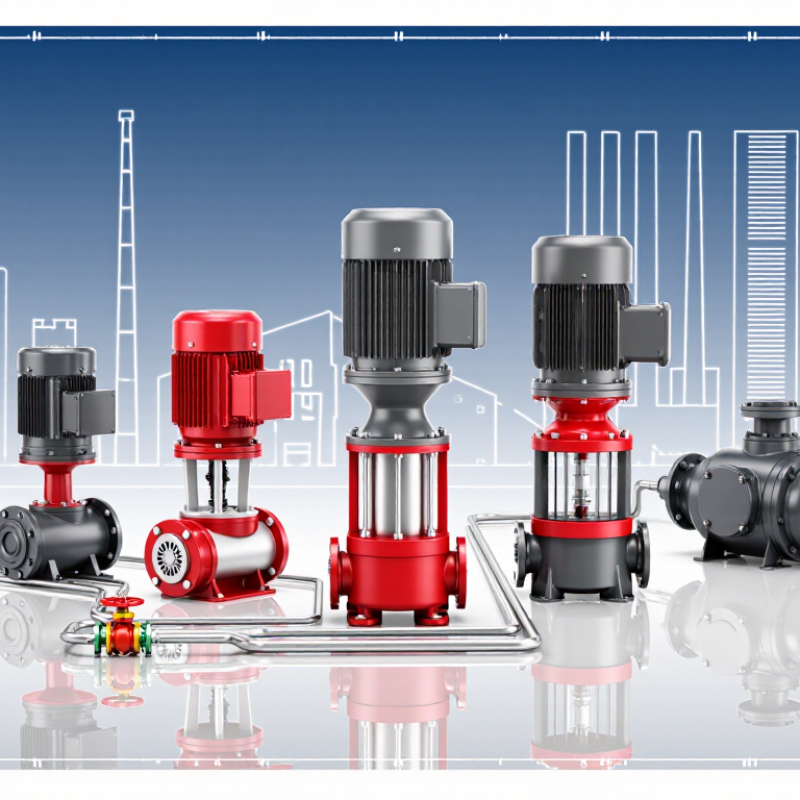
A horizontal split-case pump draws water into the center of its impeller and sends it outward through the casing. It often suits high-flow systems with a steady water supply. An end-suction pump also uses a centrifugal impeller, but its compact casing can fit tighter mechanical rooms. An inline pump sits directly in the piping, saving floor space, though access for maintenance still needs planning.
Vertical turbine pumps lift water from sources such as deep wells or tanks. Their bowls sit below the water level, so the pump can draw water without relying on a long suction line. Multistage pumps use several impellers in sequence to build higher pressure. Positive-displacement designs move a fixed volume with each cycle, but they are less typical for many building fire systems. There is no tidy winner. The right choice depends on required flow, pressure, water conditions, and installation layout; even a sound calculation can miss a troublesome suction detail. Pump selection and testing should be checked against the system design by qualified fire-protection professionals.
Key Criteria for Comparing Fire Pumps in 2026
The best fire pump for 2026 is the one that matches a building’s documented fire-protection demand, not the one with the largest advertised capacity. Compare rated flow and pressure against the system’s hydraulic calculations. Check performance across the full operating range, since a single peak figure can hide poor suitability. A pump room drawing, elevation changes, and the water supply’s measured pressure all matter.
Review the power source, controller, and backup arrangements together. Electric and engine-driven units have different installation and maintenance needs. Look for clear test procedures, accessible service points, and reliable access to replacement parts. Materials and coatings should suit the water quality and environment; damp coastal air can expose weak corrosion protection quickly. Confirm applicable certifications and local requirements with qualified fire-protection professionals. Specifications alone are not enough.
Tips: Ask for certified pump curves and compare them with the project’s required duty point. Check noise, ventilation, drainage, and space for routine testing before purchase. Keep records of inspections and test results. One detail is easy to miss: a technically suitable pump may still be awkward to maintain in a cramped room.
Seven Fire Pumps to Consider for Different Applications
What Are the 7 Best Fire Pumps for 2026?
Fire-pump selection depends on water supply, required pressure, and available space—not one universal “best” unit.
NFPA’s Fire Loss in the United States During 2023 estimated 1.389 million U.S. fires and nearly $23 billion in direct property damage. Those figures underline why dependable suppression systems matter. NFPA 20 sets installation requirements; a qualified designer should verify the system’s duty point and water supply.
For high-flow buildings, consider a horizontal split-case pump, though it needs room for servicing. End-suction pumps can suit smaller rooms and moderate duties.
Vertical inline pumps save floor space. Vertical-turbine pumps draw from tanks or wells below the pump.
Multistage designs can meet higher pressure demands in tall buildings. Electric-drive packages suit sites with reliable power; diesel-drive packages offer an alternative when power is interrupted.
These are seven configurations, not seven mutually exclusive pump bodies; drive type and pump design can be combined. A catalog flow rating alone can mislead. Check the performance curve at required flow and pressure, suction conditions, controls, and maintenance access.
That last detail is easy to overlook. Include routine testing and qualified commissioning in the selection plan.
How to Match a Fire Pump to Your Site’s Requirements
What Are the 7 Best Fire Pumps for 2026?
How to Match a Fire Pump to Your Site’s Requirements
The best fire pump is the one that delivers the required flow and pressure at your site—not simply the largest model. Start with the building’s hazard classification, sprinkler and hose demand, water supply, elevation, and pipe losses. NFPA’s “Fire Loss in the United States During 2023” estimated 1.39 million fires and $23.2 billion in property damage. Those figures describe the stakes, not a guarantee that any pump will prevent losses. Check the pump curve against the system’s calculated demand, and confirm suction conditions, power availability, and installation space. NFPA 20 provides installation requirements; have a qualified fire protection professional review the design.
For 2026, compare pump types only after defining the duty point. Horizontal split-case, end-suction, vertical in-line, and vertical turbine designs suit different layouts and water sources. Diesel and electric drives also bring different power, ventilation, and maintenance needs. Ask suppliers for certified performance data, control-panel details, and service requirements. Then verify the selected arrangement against applicable codes, local conditions, and the authority having jurisdiction.