Seven Leading Curved Glass Coolers for Global Buyers
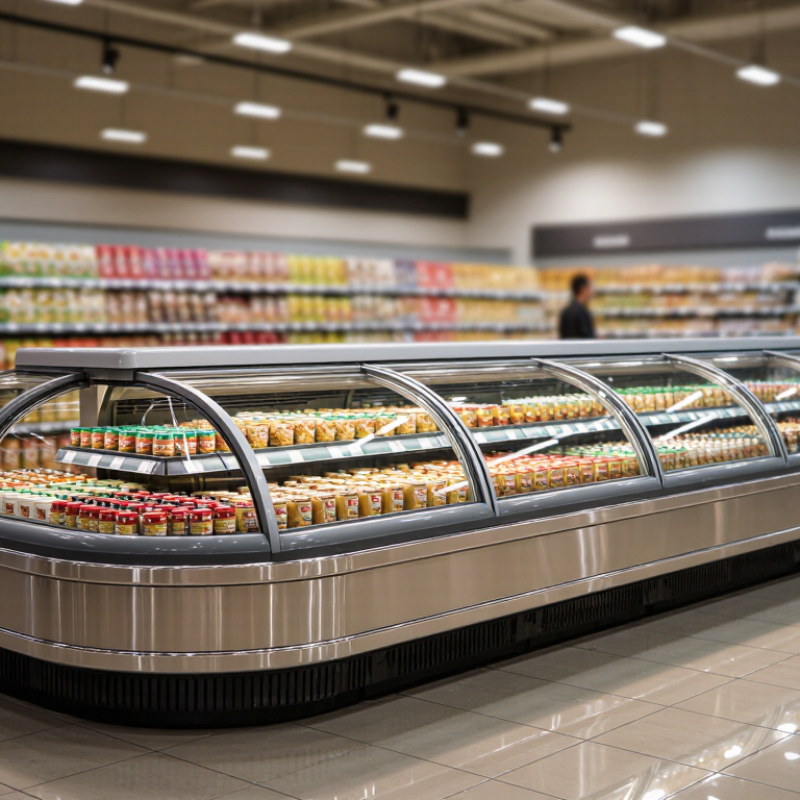
Global buyers can compare seven practical curved-glass cooler formats: countertop, single-door upright, double-door upright, multideck, island, chest, and undercounter models. Countertop units suit impulse sales, while multideck cabinets expose drinks across wider shelves. Chest coolers often reduce heat loss, but they require more bending during loading. Undercounter models save floor space, although their storage capacity is limited.
The seventh option is easy to overlook.
MarketsandMarkets estimates the commercial refrigeration market could grow from about USD 36.4 billion in 2023 to USD 50.6 billion by 2028. This growth increases demand for efficient, visible merchandising equipment.
The U.S. Environmental Protection Agency reports that qualifying commercial refrigeration products can use at least 20% less energy than federal minimum standards. Buyers should verify test conditions, refrigerant type, ambient-temperature ratings, and annual energy consumption.
Numbers can look impressive.
Curved glass improves product visibility and softens sharp retail lines. However, condensation control matters in humid regions. Ask for door-heater specifications, drainage design, and tested performance at 32°C or 38°C.
ISO 23953 provides a useful reference for refrigerated display cabinet testing. Shelves should adjust without tools, and casters should lock firmly on uneven floors.
I would also inspect gasket compression personally; small leaks can quietly increase compressor runtime. Local service access remains essential, especially where replacement parts travel long distances.