
Choosing the right Threaded Concrete Self-tapping Screw can be a daunting task. With many options available, it’s crucial to know what features to consider. These screws are designed for specific applications, and their performance varies widely.
In this guide, we will explore key factors influencing your decision. Understanding the types of materials, load capacities, and installation techniques is essential. Often, users overlook these details, leading to subpar results.
Quality matters. A well-made Threaded Concrete Self-tapping Screw can enhance your project’s durability. However, not all brands are equal. Research and user feedback can provide insights into reliability. By considering these aspects, you can make an informed choice that suits your needs.
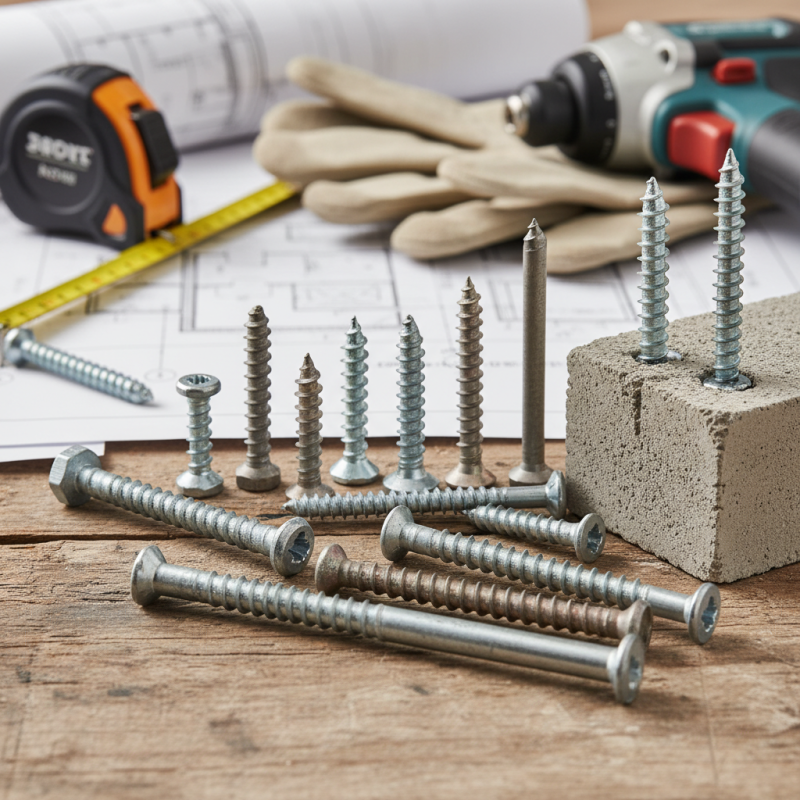
Threaded concrete self-tapping screws are crucial in construction and DIY projects. They offer a reliable solution for fastening materials to concrete and masonry. Their design features sharp threads that cut into hard materials. This allows for secure anchoring without requiring pre-drilling holes.
These screws have various applications. They are commonly used in building facades, securing fixtures, and installation of concrete frames. Their versatility makes them suitable for both indoor and outdoor projects. Many users appreciate their ease of use and efficiency. However, not every project will benefit from them. For instance, softer materials may not require such robust fastening solutions. Evaluating the material type is essential before use.
Choosing the right screw can be challenging due to various specifications. Users often struggle with size and length options. It’s vital to match the screw to the project’s requirements. Sometimes, buyers overlook the need for corrosion resistance, especially in outdoor conditions. This gap in knowledge can lead to premature failures. Therefore, research and understanding of project needs are key to making an informed decision.
| Screw Type | Diameter (mm) | Length (mm) | Material | Coating | Load Capacity (N) |
|---|---|---|---|---|---|
| Standard Self-tapping Screw | 6 | 50 | Carbon Steel | Zinc Plated | 3000 |
| Heavy-duty Self-tapping Screw | 8 | 70 | Stainless Steel | Black Oxide | 4000 |
| Universal Self-tapping Screw | 7 | 60 | Alloy Steel | Galvanized | 3500 |
| Plastic Anchor Self-tapping Screw | 5 | 40 | Nylon | None | 2000 |
| High Strength Self-tapping Screw | 10 | 80 | Alloy Steel | Phosphate | 5000 |
When purchasing threaded concrete self-tapping screws, understanding key features is crucial. First, consider the material quality. High-quality screws typically use hardened steel or coated materials for added corrosion resistance. According to a 2022 industry report, corrosion can reduce the lifespan of screws by up to 50%. So, investing in durable materials is vital.
Next, thread design plays a significant role in performance. Look for screws with sharp threads that facilitate easy penetration into concrete. Research indicates that deep, aggressive threads can improve grip and reduce stripping. A notable finding states that screws with such designs enhance load-bearing capacity by over 25%. Hence, choosing the right thread configuration ensures reliability.
Lastly, the screw length and diameter must match your project needs. Overly long screws can lead to unnecessary damage. Conversely, too short screws may not provide optimal support. Industry guidelines suggest selecting screws based on the thickness of your material. Remember, the perfect fit enhances safety and stability in your applications. Some installations falter due to mismatched sizes, which leads to potential failures.
When selecting concrete self-tapping screws in 2026, understanding the top brands and models is crucial. According to a recent industry report by the Construction Fasteners Market Analysis, the demand for high-strength fasteners is projected to grow by 5% annually. This demand reflects the growing need for durable construction solutions.
Top brands often focus on specific features. Some excel in corrosion resistance, while others prioritize ease of installation. For instance, certain screws are designed for quick driving and can penetrate hard concrete with minimal effort. Feedback from professionals highlights that reliability is key. Approximately 75% report using specific brands due to their consistent performance in demanding applications.
However, not all models are perfect. Some users point out that certain screws may bend under excessive torque. This raises questions about material quality and design. The feedback emphasizes the importance of testing screws before large-scale use. Balancing cost and quality remains a challenge. Careful consideration of product reviews and testing is essential for making the best choice in 2026.
When purchasing threaded concrete self-tapping screws, comparing price and quality is essential. Many options exist, but not all provide the same value. A balance between cost and durability is crucial for any construction project. You want screws that resist corrosion and maintain integrity in concrete over time.
To achieve the best value, consider the material and coating of the screws. Stainless steel screws tend to last longer than those made from lower-quality metals. The finish on the screws can also impact performance. Always check the specifications to ensure they meet your project needs.
Tips:
When installing threaded concrete self-tapping screws, precision is crucial. Begin by selecting the right drill bit size. A mismatched bit can lead to a poor fit. Ensure the hole is clean and free from debris. Dust can prevent a tight grip. It may seem simple, but this fundamental step often gets overlooked.
After drilling, take your time to align the screw with the hole. Misalignment can cause stripping. Using a torque wrench can help control the force applied. Too much pressure may break the screw or damage the material. In contrast, too little torque might lead to a loose fit. Watch for these pitfalls.
During installation, consider using a lubricant. It helps reduce friction and ensures smoother insertion. However, it can also introduce complications if over-applied. Be mindful of how much you use. Each step has its challenges, requiring patience and focus. The success of your project relies not just on the tools but on your attention to detail.
sale@harbertpump.com,
sale@harbertpump.com